Cosmetic dentistry continues to evolve, and one of the most noticeable smile trends heading into 2026 is No-Prep Veneers. Many people want to improve their appearance, but hesitate when they hear words like drilling or permanent tooth changes. This newer veneer option appeals to patients who want visible results without aggressive procedures.
Today’s patients prefer treatments that look natural, feel comfortable, and protect their existing teeth. Because of that, modern veneer solutions that require little to no alteration are becoming more popular. In a growing community like Midland, where residents balance work, family life, and social events, interest in conservative cosmetic treatments continues to rise. People want solutions that support long-term oral health while fitting their daily routines.
Let’s explore what these no-prep veneers are, how they work, and why they are becoming one of the most requested cosmetic dental treatments in 2026.
What Are No-Prep Veneers?
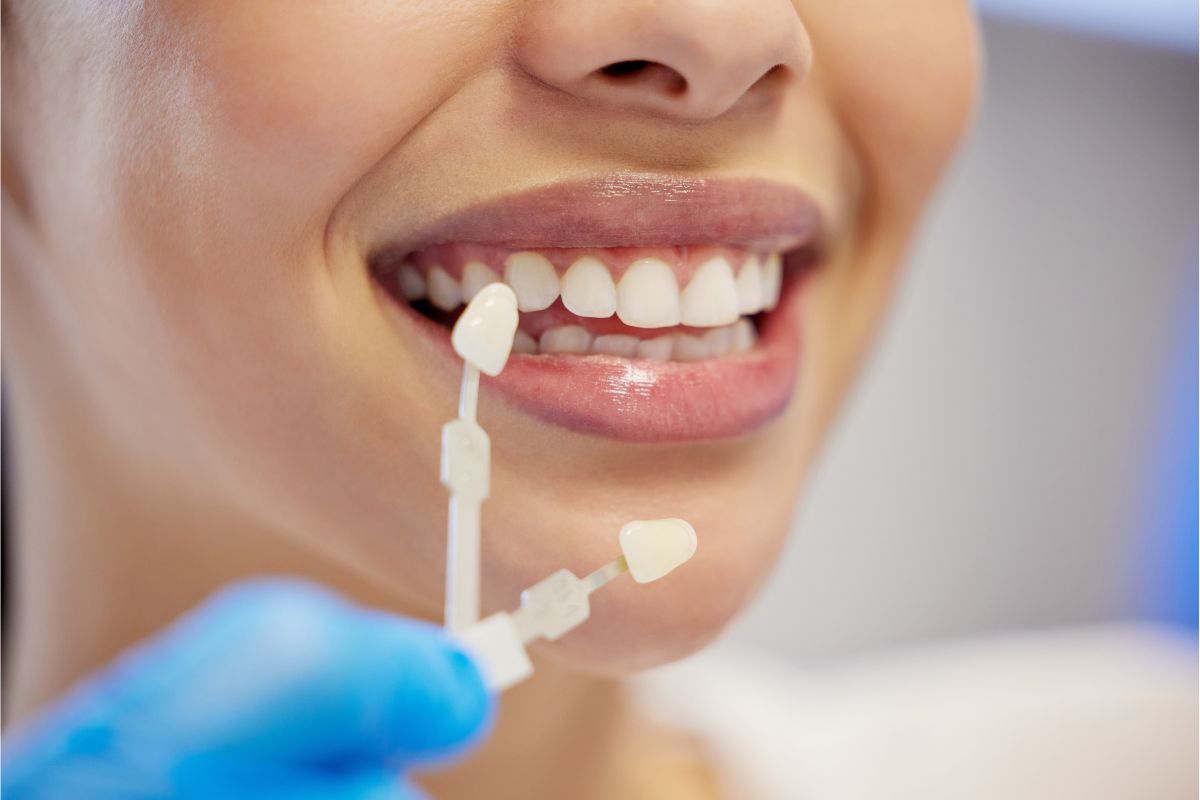
No-Prep Veneers are ultra-thin porcelain or ceramic shells bonded directly to the front of the teeth. Unlike traditional veneers, they usually do not require reshaping or shaving down natural enamel.
This means-
- No drilling in most cases
- No enamel removal
- No temporary veneers
- Often, no anesthesia is needed
These veneers enhance the color, shape, and size of teeth while blending naturally with the rest of the smile.
How No-Prep Veneers Differ From Traditional Veneers
Traditional veneers often require removing a portion of enamel so the porcelain fits correctly. While that method works well for some patients, the process is permanent and may not suit everyone.
With No-Prep Veneers, the goal is to work with the existing tooth structure instead of altering it. Because these custom veneers are thinner, they sit comfortably on the teeth when properly placed, avoiding a bulky look. This conservative approach explains why many patients who search for cosmetic treatments similar to veneers in Midland now look for no-prep options first.
Why No-Prep Veneers Are Trending in 2026
Several factors continue to drive interest in No-Prep Veneers this year.
1. Less Invasive Treatment Options
Patients understand dental procedures better than ever before. Many prefer cosmetic changes that do not permanently modify their teeth.
2. Natural Appearance
Modern materials reflect light like natural enamel. As a result, veneers look more lifelike and avoid the artificial appearance people once feared.
3. Faster Smile Improvements
Because little to no preparation is required, treatment often takes fewer visits than traditional veneer procedures.
4. Focus on Tooth Preservation
Preserving enamel remains a priority in modern dentistry, and no-prep veneers are ideal for this approach.
What Can No-Prep Veneers Fix?
These veneers work best for mild to moderate cosmetic concerns, including:
- Small gaps between teeth
- Minor chips or uneven edges
- Slightly misshapen teeth
- Discoloration that does not improve with whitening
- Teeth that appear short or worn
For patients researching cosmetic improvements similar to veneers in Midland, no-prep veneers often provide a practical starting point when teeth are healthy and properly aligned.
Are No-Prep Veneers Right for Everyone?
Although No-Prep Veneers offer many benefits, they do not work for every situation.
They may not be ideal if:
- Teeth are severely misaligned
- There is significant crowding
- Teeth already protrude outward
- Advanced decay or damage is present
A professional evaluation remains essential to determine whether this option or another cosmetic solution will produce the best outcome.
Also Read: What Should I Expect When Getting Veneers?
What to Expect During the Process
The process is usually simple and patient-friendly.
- Consultation: Your dentist evaluates your smile, discusses your goals, and determines whether No-Prep Veneers are appropriate.
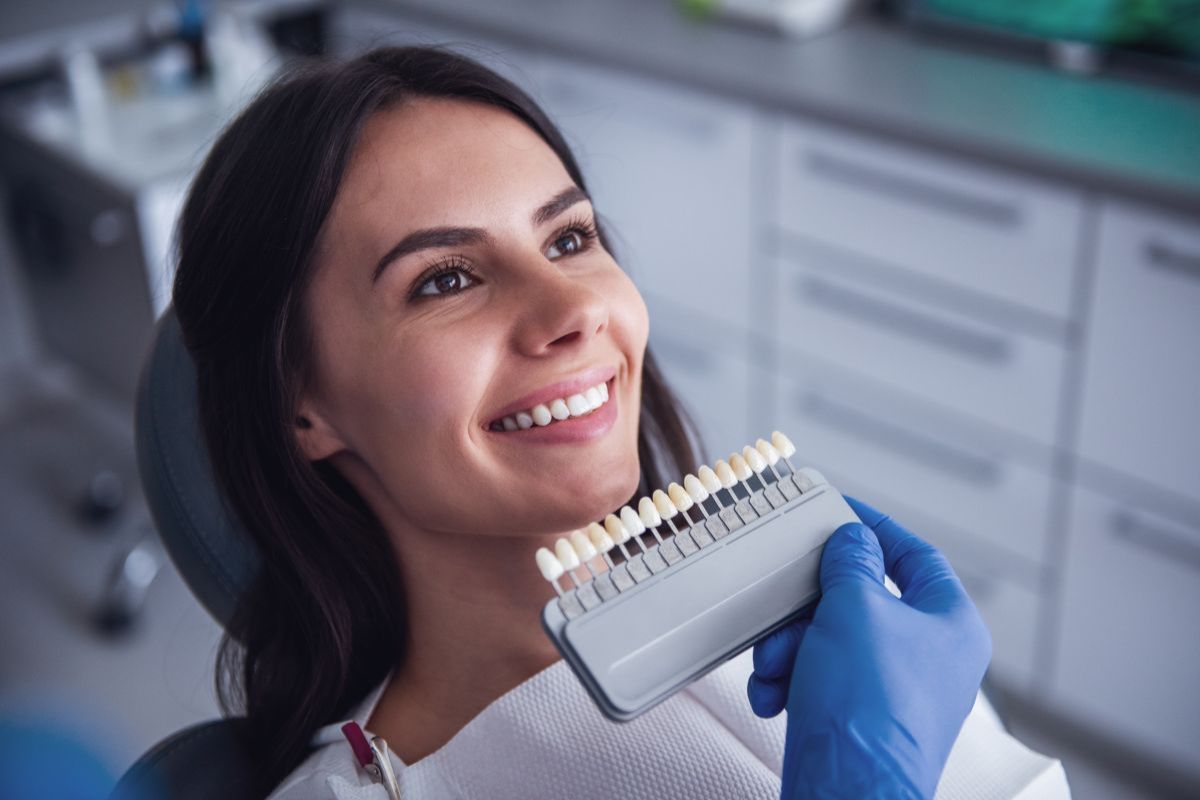
- Digital Planning: Impressions or digital scans help design veneers that match your facial features and bite.
- Placement: Once the veneers are ready, they are bonded to the teeth. Because little preparation is needed, the visit often feels comfortable and relaxed.
Many patients seeking cosmetic solutions related to veneers in Midland appreciate how efficient and straightforward this process can be.
How Long Do No-Prep Veneers Last?
With good care, No-Prep Veneers can last 10 years or longer. Longevity depends on:
- Daily oral hygiene
- Avoiding grinding or clenching
- Routine dental checkups
- Not using teeth to open packages or bite hard objects
- Like natural teeth, veneers last longer when patients care for them properly.
Caring for Your No-Prep Veneers
- Proper care is simple and familiar:
- Brush twice a day using non-abrasive toothpaste
- Floss regularly
- Avoid chewing ice or very hard foods
- Wear a nightguard if you grind your teeth
Good habits protect both the veneers and the teeth beneath them.
Ready to Explore Your Smile Options?
If you want a subtle and natural-looking smile upgrade, No-Prep Veneers may be worth considering. At Bliss Dental & Orthodontics in Midland, TX, we offer personalized consultations to help you understand your cosmetic options, including custom veneers and other conservative treatments. We proudly care for patients across Midland and the surrounding areas. Call today to schedule your consultation or request an appointment online.
A Conservative Path to a Better Smile
No-Prep Veneers continue to shape cosmetic dentistry in 2026. They offer a modern solution for patients seeking visible improvements without aggressive dental work. For anyone learning about cosmetic options similar to veneers in Midland, this approach provides a balance between appearance and tooth preservation.
A confident smile does not always require major changes. In many cases, small improvements create the biggest impact. Call now or book your consultation online to explore no-prep veneers in Midland.
Frequently Asked Questions (FAQs)
1. What is the main benefit of No-Prep Veneers?
They improve your smile without permanently altering your natural teeth, making them a conservative cosmetic option.
2. Do No-Prep Veneers look natural?
Yes. Modern materials are designed to match the color, translucency, and texture of natural teeth.
3. Are No-Prep Veneers removable?
Because little to no enamel is removed, they are considered more reversible than traditional veneers, though removal should always be carried out by a dentist.
4. How are they different from other veneer options?
They require minimal preparation and focus on preserving natural tooth structure.
5. Can I still whiten my teeth after getting veneers?
Veneers do not whiten, so it’s best to whiten natural teeth beforehand if needed.