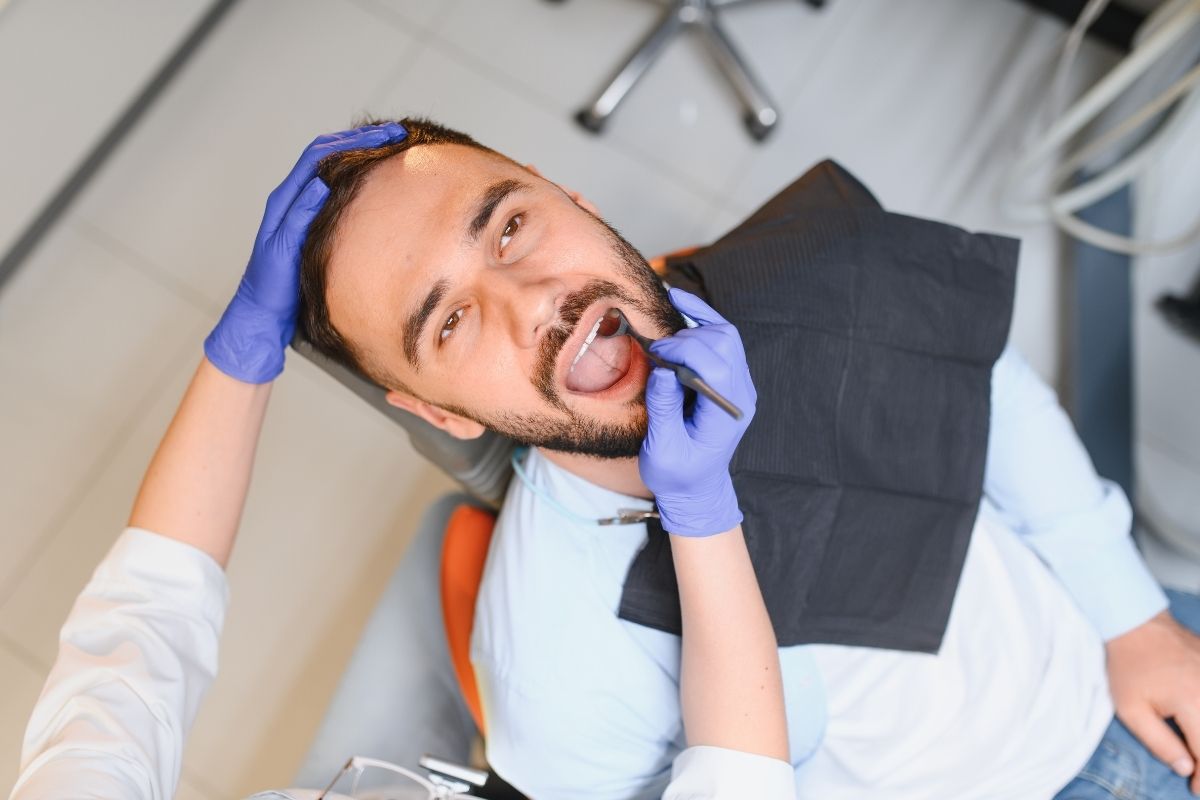


Dental problems rarely appear overnight. In many cases, your body sends subtle warning signs long before a serious issue develops. The challenge is that many people dismiss these early symptoms as temporary discomfort or something that will resolve on its own.
Ignoring small oral health issues can allow them to progress into more complex problems that require more extensive treatment. Paying attention to early signs and scheduling a dental evaluation promptly can make a significant difference in protecting your long-term oral health.
For patients seeking routine dental care and evaluations, many individuals visit the team at Bliss Dental & Orthodontics for preventive checkups and guidance. You can also explore their services at the Midland location if you’re looking to schedule a professional dental evaluation.
Understanding the early warning signs that indicate you may need a dentist can help you take action before problems worsen.
What Are the Early Signs of Dental Problems?
Many oral health conditions begin quietly. Issues such as cavities, gum disease, infections, and tooth damage often start with mild symptoms that are easy to overlook.
Recognizing these early oral health warning signs can help prevent more serious complications later.
Below are some of the most common signs you need a dentist sooner rather than later.
1. Persistent Tooth Pain
One of the most obvious indicators that something is wrong is ongoing tooth pain.
Tooth pain symptoms may include:
- Sharp pain when biting
- Throbbing discomfort
- Sensitivity to hot or cold
- Pain that worsens at night
Persistent pain can indicate several dental problems, including:
- Tooth decay
- Infection
- Cracked teeth
- Gum disease
Pain is your body’s signal that something needs attention. Even mild discomfort should be evaluated if it continues for more than a few days.
Also Read: Knocked-Out Tooth? Here’s Exactly What to Do in the First 30 Minutes
2. Bleeding or Swollen Gums
Healthy gums should not bleed during brushing or flossing.
If you notice:
- Redness
- Swelling
- Bleeding when brushing
- Tender gums
These may be early dental problems and gum disease warning signs.
Gum disease often begins as gingivitis, which is reversible when treated early. If left untreated, it can progress to periodontitis, which can lead to tooth loss and bone damage.
3. Persistent Bad Breath
Occasional bad breath is normal. However, chronic bad breath (also called halitosis) may signal an underlying dental problem.
Possible causes include:
- Bacteria buildup
- Gum disease
- Tooth decay
- Infection
- Poor oral hygiene
If bad breath continues despite brushing and flossing regularly, a dental examination can help identify the root cause.
4. Tooth Sensitivity
Many people experience occasional sensitivity, but frequent sensitivity can be a sign of a deeper issue.
Common triggers include:
- Hot drinks
- Cold foods
- Sweet foods
- Air exposure
Sensitivity may indicate:
- Enamel erosion
- Tooth decay
- Gum recession
- Cracked teeth
Early treatment can often prevent further enamel damage and reduce discomfort.
5. Loose or Shifting Teeth
Adult teeth should not move or feel loose.
If you notice:
- Teeth shifting position
- Bite changes
- Gaps forming between teeth
- Teeth feeling unstable
These symptoms may indicate advanced gum disease or bone loss around the teeth. Prompt dental care is essential to prevent permanent damage.
6. White Spots or Dark Areas on Teeth
Changes in tooth color can signal early stages of tooth decay.
Watch for:
- Chalky white spots
- Dark pits or grooves
- Brown discoloration
- Visible holes in teeth
These are early tooth decay symptoms that dentists can often treat with minimally invasive procedures if caught early.
7. Jaw Pain or Frequent Headaches
Jaw discomfort may be related to:
- Teeth grinding (bruxism)
- TMJ disorders
- Bite misalignment
- Impacted teeth
Symptoms may include:
- Jaw clicking or popping
- Difficulty opening the mouth
- Morning headaches
- Facial pain
A dental professional can determine whether your symptoms are related to bite alignment or other oral health concerns.
8. Sores That Don’t Heal
Occasional mouth sores are common. However, sores that last longer than two weeks should be evaluated by a dental professional.
These may appear as:
- Ulcers
- Red or white patches
- Lumps
- Unusual tissue changes
Dentists are trained to detect early signs of more serious oral health conditions during routine examinations.
9. Dry Mouth That Doesn’t Go Away
Saliva plays a crucial role in maintaining oral health by neutralizing acids and washing away bacteria.
Persistent dry mouth can increase the risk of:
- Tooth decay
- Gum disease
- Bad breath
- Oral infections
Dry mouth may also be caused by medications or underlying health conditions.
When Should You Schedule a Dental Visit?
If you notice any of these oral health warning signs, it’s best to schedule a dental visit as soon as possible.
Early dental care helps:
- Prevent small issues from becoming major problems
- Reduce treatment complexity
- Protect natural teeth
- Maintain long-term oral health
Many patients also visit Bliss Dental & Orthodontics for preventive care and evaluations. If you’re exploring nearby care options, you can learn more about services at their Odessa dental location.
Even if symptoms seem minor, a professional dental exam can provide peace of mind and early treatment when needed.
How Regular Dental Visits Help Prevent Problems
Routine dental checkups are one of the most effective ways to maintain oral health.
During a typical dental visit, a dentist may:
- Examine teeth for early decay
- Check gum health
- Screen for oral health abnormalities
- Take diagnostic X-rays if needed
- Provide professional cleaning
Preventive care allows dentists to detect dental problems early, often before symptoms become noticeable.
Practical Tips to Protect Your Oral Health
While dental visits are essential, daily habits also play a major role in preventing dental issues.
Healthy oral care habits include:
- Brushing twice daily with fluoride toothpaste
- Flossing every day
- Limiting sugary snacks and drinks
- Drinking plenty of water
- Replacing toothbrushes every 3–4 months
- Scheduling routine dental checkups
These simple practices can help reduce the risk of many common dental problems.
Take Early Symptoms Seriously
Your mouth often provides early clues when something isn’t right. Paying attention to tooth pain symptoms, gum changes, and other oral health warning signs can help you take action before issues become more serious.
If you notice persistent discomfort, sensitivity, or unusual changes in your teeth or gums, it may be time to schedule a dental evaluation.
The team at Bliss Dental & Orthodontics provides comprehensive preventive care, dental evaluations, and treatment options designed to help patients maintain healthy smiles.
Schedule an appointment today or call the office to speak with a member of the dental team about your concerns. Early care can make a significant difference in protecting your oral health.
Frequently Asked Questions
What are the most common signs you need a dentist?
Some of the most common signs include tooth pain, bleeding gums, persistent bad breath, tooth sensitivity, loose teeth, and visible tooth discoloration.
Can tooth pain go away without treatment?
Sometimes tooth pain may temporarily improve, but the underlying problem often remains. Conditions like tooth decay or infection typically require professional treatment.
How long should mouth sores last before seeing a dentist?
Most minor mouth sores heal within one to two weeks. If a sore lasts longer than two weeks, a dental evaluation is recommended.
Is bleeding while brushing normal?
No. Healthy gums should not bleed during brushing or flossing. Bleeding gums may indicate early gum disease or irritation.
How often should you visit a dentist?
Most people benefit from dental checkups every six months, although some patients may need more frequent visits depending on their oral health needs.