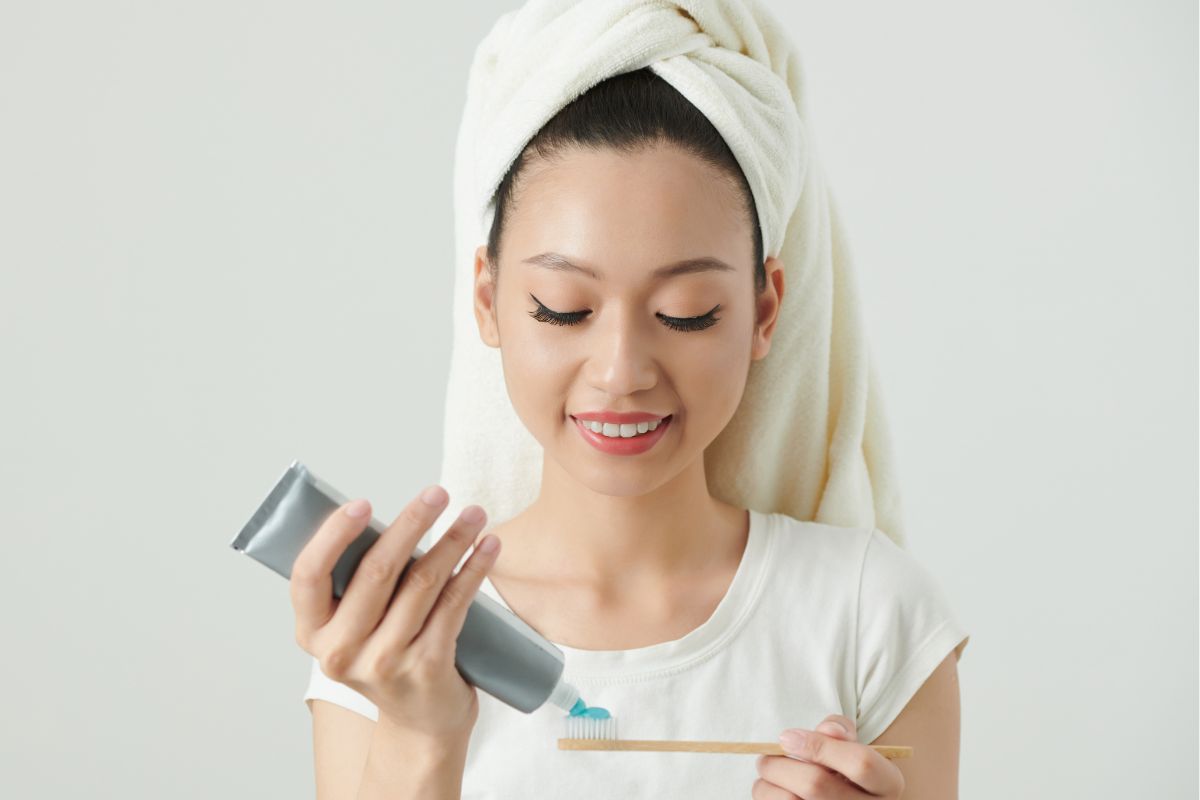
You brush twice a day. You picked the tube that promised a brighter smile. And somewhere along the way you decided that if one whitening toothpaste is good, using it every single morning and night must be even better.
It is a reasonable assumption. It is also one most people never question. So, can whitening toothpaste damage teeth? For some people, over time, it can, especially when the paste is rough on enamel, the brushing is heavy-handed, or the teeth were already thinner or more sensitive than they realized.
A trusted dentist sees the aftermath fairly often: teeth that look duller instead of brighter, a sharp zing from cold water, gum lines that have quietly crept back. The reassuring part is that most of it is preventable once you know what is actually in the tube. Whether you are comparing boxes at the pharmacy or have used the same paste for years, the dental professionals at our Midland location are glad to walk patients through it, and the basics below are a good place to start.
Can Whitening Toothpaste Damage Teeth? The Short Answer
| Quick Answer Yes, it can, though not for everyone. Most whitening toothpastes remove surface stains with mild abrasives, and daily use is fine for many people. Trouble tends to appear when the paste is very abrasive, brushing is aggressive, or enamel is already thin, leading to sensitivity, gum irritation, and gradual enamel wear. |
The rest of this guide explains why, who is most at risk, and how to keep a brighter smile without paying for it later.
How Whitening Toothpaste Actually Works
It Lifts Surface Stains. It Does Not Change Your Natural Shade.
Coffee, tea, red wine and tobacco leave pigment on the outer layer of enamel. Whitening toothpaste is designed to scrub or dissolve that surface film. It cannot reach the deeper, internal color of a tooth, which is set by genetics, age, past medications and the dentin underneath. That is why a toothpaste can make teeth look cleaner but rarely makes them dramatically lighter.
What Is Inside the Tube
- Mild abrasives such as hydrated silica or calcium carbonate physically polish stains away.
- Chemical stain-lifters such as pyrophosphates, or small amounts of peroxide, loosen pigment.
- Optical brighteners such as blue covarine leave a thin film that makes teeth look less yellow for a short time without actually whitening them.
- Fluoride, found in most formulas, which helps protect against tooth decay.
Abrasives are the ingredient worth paying attention to. They do the work, and they are also where daily wear comes from.
Why It Matters: Enamel Does Not Grow Back
Enamel is the hard outer shell that protects the softer layer underneath, called dentin. Fluoride and saliva can help repair early mineral loss, but your body cannot rebuild enamel that has been physically worn away. Once it thins, dentin, which is naturally more yellow, begins to show through.
In other words, wearing down enamel in pursuit of a whiter smile can make teeth look darker, and it leaves them more exposed to sensitivity and tooth decay. Good oral health depends on protecting the enamel you already have.
| Did You Know? Toothpastes are rated for abrasiveness on a scale called RDA (Relative Dentin Abrasivity). The American Dental Association’s Seal of Acceptance requires a value of 250 or lower, and many everyday pastes land well below that. But products without the Seal, including some charcoal and “extra-strength” formulas, may not publish a value at all, so you cannot tell how rough they are from the box. |
The Real Risks of Using Whitening Toothpaste Every Day
Most of these problems build slowly, which is exactly why they get missed. Here is what shows up when daily whitening goes too far.
Gradual Enamel Wear
Abrasion is cumulative. A paste that is perfectly fine used occasionally may remove a meaningful amount of enamel across years of twice-daily brushing, particularly along the gumline and on the biting edges of front teeth. Pair it with a firm toothbrush and a scrubbing motion and the effect compounds.
Tooth Sensitivity
Thinner enamel and peroxide-based ingredients can both irritate the nerve-rich tissue inside the tooth. The result is that quick, sharp sensation with cold drinks, hot coffee, or even a breath of cold air. Mild sensitivity after starting a new product is common. Sensitivity that lingers is a signal to stop and get checked.
Gum Irritation and Recession
Peroxide and strong flavoring agents can leave gum tissue feeling raw. Over time, aggressive brushing with an abrasive paste can contribute to gum recession, exposing the root surface, which is softer than enamel and wears faster. Receding gums are not just cosmetic. They raise the risk of root sensitivity and decay, and they can be a sign that gum disease needs attention.
An Uneven Smile Around Crowns, Veneers and Fillings
Whitening toothpaste works only on natural tooth structure. Dental crowns, veneers and tooth-colored fillings do not change shade. If your natural teeth lighten while your restorations stay the same, the mismatch can become more noticeable than the stains you started with. This is one reason to talk with a dentist before starting a whitening routine if you have had restorative dentistry.
Brushing Habits That Make Everything Worse
- Brushing right after acidic drinks. Coffee, soda, citrus and wine temporarily soften enamel, so scrubbing at that moment removes more than it should.
- Using a hard-bristled brush. More pressure does not mean more whitening.
- Layering products. Whitening toothpaste plus whitening rinse plus strips multiplies the irritation.
- Pushing through discomfort. Sensitivity is information, not something to tough out.
Whitening Toothpaste vs. Other Options at a Glance
Not every product carries the same level of risk, and not every stain needs the same solution. This quick comparison helps put the options in perspective.
| Option | How It Works | Daily-Use Concern | Best For |
|---|---|---|---|
| Regular fluoride toothpaste | Cleans teeth and strengthens enamel; gentle polishing | Very low; does not target stains | Everyday protection against decay |
| ADA-accepted whitening toothpaste | Mild abrasives or stain-lifters remove surface stains | Low to moderate when used as directed; may bother sensitive teeth | Healthy teeth with light surface stains |
| Charcoal or “extra-strength” pastes | Stronger abrasion; often no published abrasiveness rating | Higher; unclear safety evidence, some lack fluoride | Best discussed with a dentist first |
| Peroxide-based whitening pastes | Small amounts of peroxide help lift stains | Sensitivity and gum irritation in some people | Short-term use by people without sensitivity |
| Professional cleaning + dentist-supervised whitening | Removes built-up stain, then whitens under controlled conditions | Managed by your dentist; gums protected | Noticeable shade change, sensitive teeth, or dental work |
When Whitening Toothpaste Is a Reasonable Choice
None of this means you need to throw your tube away. For many people with healthy enamel, an ADA-accepted whitening toothpaste used as directed is a sensible way to manage everyday surface stains. It tends to be a good fit when:
- Your teeth and gums are healthy, and you have no ongoing sensitivity.
- Your stains are on the surface, from coffee or tea rather than deep internal discoloration.
- You use a soft brush and light pressure, letting the paste do its limited job.
- Your expectations are realistic. A toothpaste is not built to deliver a dramatic shade change.
Signs It Is Time to Stop and Call a Dentist
- Sharp or lingering sensitivity to cold, heat or sweets.
- Gums that look red, sore or lower than before.
- Teeth that look more yellow, translucent or rough at the edges.
- White spots, chips or a rough texture you did not notice before.
- Uneven color between your natural teeth and dental work.
None of these is an emergency on its own, but each deserves a conversation sooner rather than later.
What a Dentist Can Do That a Tube of Toothpaste Cannot
Discoloration has more than one cause, and the right fix depends on which one you are dealing with. Surface stains, deep internal color, enamel wear and older restorations each call for a different approach.
Find the Real Cause
A dental exam sorts out whether you are dealing with stains, wear, a change in the tooth itself, or something else entirely. Starting there saves months of trial and error with products that were never going to work.
Remove Stains Without Grinding on Enamel
A professional dental cleaning lifts built-up stain and tartar far more thoroughly than a paste can, and it does so without scrubbing away enamel. For many people, that alone brings back a noticeably brighter look.
Whiten Under Supervision
If you want a lighter shade, professional teeth whitening uses controlled concentrations, protects the gums, and can be adjusted if your teeth run sensitive. It also lets your dentist plan around any crowns, veneers or fillings so the final result looks even.
Protect and Repair
Ongoing general dentistry care covers sensitivity management, fluoride support, and, where wear has already happened, options to restore and protect the affected teeth before the problem grows.
If you would rather have someone look at your enamel in person, you can also see the team at our Odessa location for a thorough, no-pressure check.
| Not Sure What Your Toothpaste Is Doing to Your Enamel? A short conversation with a dentist can answer that. If you have noticed sensitivity, gum changes, or teeth that seem less bright than they used to, we can take a look and suggest a routine that fits your teeth. Request a visit online. No pressure, just answers. |
Practical Advice: Using Whitening Toothpaste More Safely
Picture someone who starts a new whitening paste on Monday, loves the minty tingle, and brushes a little harder by Friday because the stains on their front teeth have not budged. A month later, cold water hurts. Nothing about that story is unusual, and it is usually fixable. It starts with a few changes in habit.
- Look for the ADA Seal of Acceptance. It indicates the product has been evaluated for safety and for its stated claims.
- Do not make it your only paste. Many dentists suggest alternating with a regular fluoride toothpaste, especially if your teeth run sensitive.
- Use a soft-bristled brush and light pressure. Let the bristles do the work, not your arm.
- Wait at least 30 minutes after acidic food or drinks. Rinse with plain water in the meantime.
- Pause if your teeth start to hurt. Give them time to settle, and mention it at your next visit.
- Keep up routine checkups and cleanings. Early wear and gum changes are far easier to manage when they are caught early.
| Ready for a Brighter Smile That Protects Your Enamel? Skip the guesswork. Talk with a dental professional about what is safe for your teeth and what will actually give you the results you want. |
Frequently Asked Questions
Can whitening toothpaste damage teeth?
Yes, in some situations. Most whitening toothpastes are safe when used as directed, but abrasive formulas, hard brushing, and already thin enamel can lead to sensitivity, gum irritation, and gradual enamel wear. If you notice discomfort or changes in how your teeth look, stop and have them checked.
Is it safe to use whitening toothpaste every day?
For many people with healthy enamel and gums, an ADA-accepted whitening toothpaste used as directed is considered safe for daily use. If you have sensitivity, receding gums, or worn enamel, daily use may be too much. A dentist can tell you how often is right for your teeth.
How long can you use whitening toothpaste?
There is no universal cutoff, but whitening toothpaste works best as a short-term or occasional tool rather than a lifelong habit. Many people alternate it with regular fluoride toothpaste. If results plateau or sensitivity appears, it is time to pause and ask a dentist about other options.
Does whitening toothpaste permanently damage enamel?
Enamel that has been physically worn away does not grow back, so heavy, repeated abrasion can cause lasting changes. Mild surface softening from acids can partly recover with fluoride and saliva. That is why catching problems early matters, before wear becomes permanent.
Why do my teeth hurt after using whitening toothpaste?
Peroxide-based ingredients and thin or worn enamel can irritate the nerve inside the tooth, causing a quick, sharp sensation with cold or sweet foods. It often fades after you stop the product. If it lingers more than a couple of weeks, an exam can rule out cavities, recession, or cracks.
Is whitening toothpaste bad for your gums?
It can irritate them in some people, especially formulas with peroxide or strong flavoring. Aggressive brushing makes it worse and can contribute to gum recession over time. Red, sore, or receding gums are worth getting checked, since they can also signal gum disease.
Does whitening toothpaste work on crowns, veneers, and fillings?
No. Whitening toothpaste only affects natural tooth structure. Dental crowns, veneers, and tooth-colored fillings keep their original shade, so lightening your natural teeth can create a visible mismatch. A dentist can help plan whitening around existing restorations.
Is charcoal whitening toothpaste safe?
The American Dental Association has said there is not enough evidence to confirm that charcoal toothpastes are safe and effective. Some are quite abrasive without listing how abrasive, and some contain no fluoride. It is worth checking with your dentist before making one part of your daily routine.