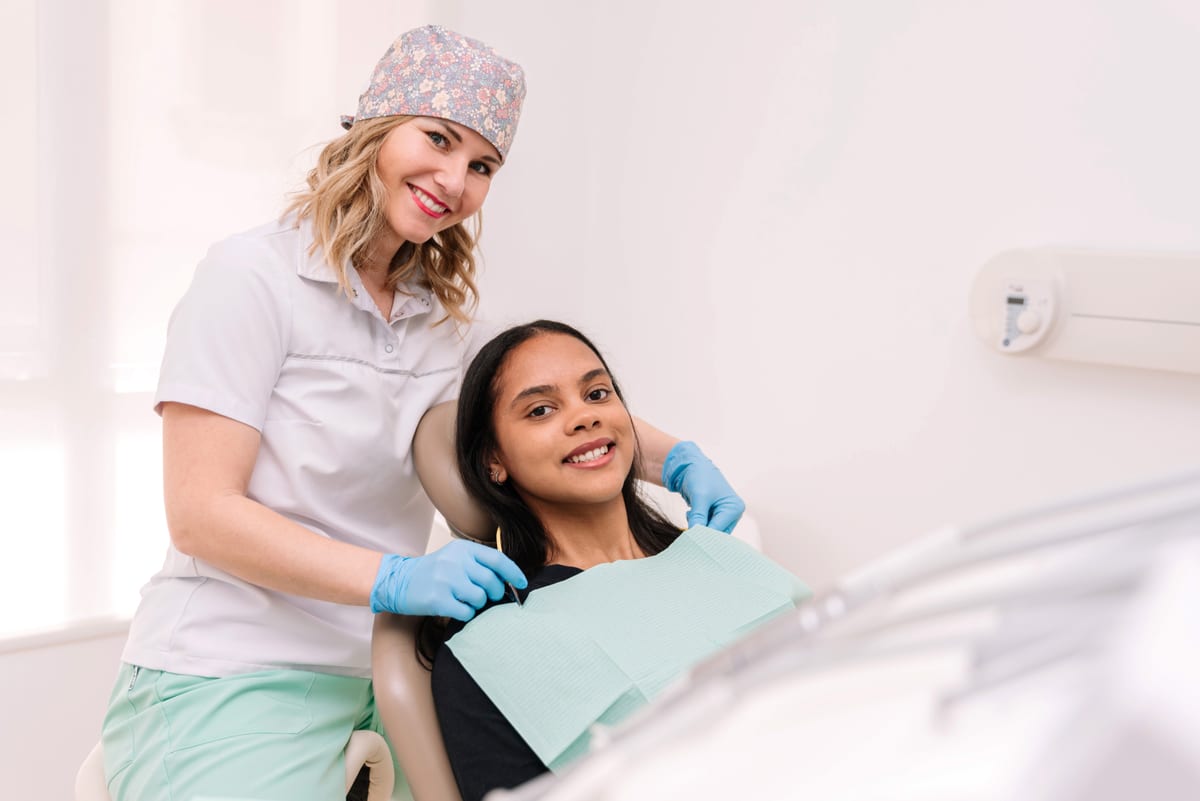


You just left your dental cleaning feeling fresh and polished. Your teeth are smooth, your gums feel healthier, and your breath is noticeably better. But what you do in the next several hours matters more than most people realize. Knowing what to do after your professional cleaning to keep results lasting in Odessa can protect that investment and extend the benefits far beyond the appointment itself.
At Bliss Dental & Orthodontics – Odessa, Dr. Emmanuel Yadoglah and the team want every patient to leave with a clear aftercare plan. This guide walks you through exactly what to do — and what to avoid — so your freshly cleaned smile stays that way.
Why the First Few Hours After Your Cleaning Matter Most
During a professional cleaning, your hygienist removes built-up plaque, tartar, and surface stains. This process also temporarily opens the pores in your enamel. That makes your teeth more receptive to both good habits and harmful ones right after the appointment.
Bacteria move quickly. Within hours, they begin recolonizing the surfaces your hygienist just cleared. Your choices in the immediate window after your visit can slow that process significantly. Think of the first two to four hours as a protective window you want to take full advantage of.
Your gum tissue may also feel more sensitive than usual. Slight tenderness is completely normal, especially if your hygienist addressed areas with deeper buildup. Treating your mouth gently during this period helps your gums recover faster.
Foods and Drinks to Avoid Right After Your Professional Cleaning in Odessa
What you eat and drink immediately after your cleaning can either help or hurt your results. Your enamel is temporarily more porous, which means staining agents absorb more easily. Avoiding certain items for the first 24 to 48 hours gives your teeth time to remineralize.
Here are the top items to skip right after your cleaning:
- Coffee and tea — both are highly pigmented and stain enamel easily
- Red wine — one of the most common sources of tooth discoloration
- Tomato-based sauces — acidic and deeply pigmented
- Dark sodas and sports drinks — acidic and full of dye
- Hard or crunchy foods — can irritate sensitive gum tissue
- Very hot or very cold foods — may increase sensitivity in the hours after cleaning
Stick to light, non-pigmented foods if you are eating soon after your appointment. Water is always your best choice for a drink. It rinses residue, hydrates your gum tissue, and supports your mouth’s natural remineralization process.
What to Do at Home to Protect Your Newly Cleaned Teeth
Knowing what to do after your professional cleaning to keep results lasting in Odessa starts with your home routine. A professional cleaning resets your baseline, but daily habits maintain it. Now is the ideal time to reinforce or upgrade your routine.
Follow these steps to protect your results at home:
- Brush gently within 30 minutes of eating — use a soft-bristled brush and fluoride toothpaste
- Floss every night before bed — removes debris that your brush cannot reach
- Use an alcohol-free mouthwash — alcohol can dry out tissue and irritate freshly cleaned gums
- Stay hydrated throughout the day — saliva is your mouth’s natural defense against bacteria
- Avoid smoking or tobacco products — these counteract cleaning results almost immediately
Your hygienist may have pointed out specific areas that need extra attention. Focus on those spots during your home care routine. Consistent effort between appointments is what makes professional cleanings truly effective over time.
Some patients benefit from additional protective treatments after their cleaning. Dental Sealants Odessa patients have found that sealants create a physical barrier over vulnerable surfaces, making it harder for plaque to stick and build up between visits.
Managing Sensitivity After a Professional Cleaning
Tooth sensitivity is one of the most common experiences after a thorough cleaning. It usually resolves within 24 to 72 hours. However, there are a few things you can do to make that window more comfortable.
Use a toothpaste designed for sensitive teeth during this recovery period. These formulas contain ingredients that help block pain signals from exposed dentin. Avoid whitening toothpastes for the first few days, as they can increase irritation.
If your gums feel swollen or bleed slightly during brushing, do not stop brushing. Gentle brushing actually promotes healing by stimulating circulation in the gum tissue. Use light pressure and make small circular motions rather than scrubbing back and forth.
Persistent sensitivity beyond three days is worth mentioning to Dr. Emmanuel Yadoglah. It could indicate underlying issues like a cracked tooth or early gum disease that deserves a closer look. Patients who have experienced tooth loss may also be interested in how Dental Implants Odessa patients use restorations to support long-term oral health alongside regular cleanings.
Building Habits That Make Every Cleaning Last Longer
The goal of every professional cleaning is not just to fix today’s problem. It is to set you up for a healthier mouth over time. The patients who get the most out of their cleanings are the ones who show up consistently and maintain good habits in between.
Scheduling your next cleaning before you leave the office is one of the simplest things you can do. Most adults benefit from a cleaning every six months. Some patients with a history of gum disease may need to come in every three to four months.
Drinking more water, reducing sugary snacks, and chewing sugar-free gum between meals all help control bacterial growth. These small daily choices add up significantly over weeks and months. Your teeth will feel cleaner for longer, and your next cleaning will be easier and quicker.
Dr. Emmanuel Yadoglah and the entire team at Bliss Dental & Orthodontics – Odessa are here to support your long-term oral health — not just your appointment-day results. Every recommendation we make is designed to help you keep your smile strong for years to come.
Conclusion: Protect Your Smile After Every Cleaning
Your professional cleaning is one of the best things you can do for your oral health. The steps you take immediately afterward determine how long those results last. Avoid staining foods, brush and floss consistently, manage sensitivity gently, and schedule your next visit before you forget. Knowing what to do after your professional cleaning to keep results lasting in Odessa gives you a real advantage in protecting your smile. Book Now to schedule your appointment with our team.
Frequently Asked Questions
How long should I wait to eat after a professional dental cleaning?
You can eat shortly after your cleaning, but try to wait at least 30 minutes if your hygienist applied fluoride. Avoid staining foods and drinks for at least 24 to 48 hours to protect your freshly cleaned enamel.
Is it normal for my teeth to feel sensitive after a cleaning?
Yes, mild sensitivity after a professional cleaning is completely normal. Your gums and enamel have been disturbed during the process. Sensitivity typically resolves within one to three days. If it lasts longer, contact Dr. Emmanuel Yadoglah at Bliss Dental & Orthodontics – Odessa for an evaluation.
Can I brush my teeth right after a dental cleaning?
You can brush gently after your cleaning. Use a soft-bristled toothbrush and light pressure. Avoid whitening toothpastes for the first few days, as they may increase sensitivity in freshly cleaned teeth.
How often should I get a professional dental cleaning in Odessa?
Most adults should schedule a professional cleaning every six months. Patients with gum disease or a higher risk for plaque buildup may need to visit every three to four months. Dr. Emmanuel Yadoglah can recommend the right schedule for your specific needs.
What happens if I skip my follow-up cleaning appointment?
Skipping cleanings allows plaque and tartar to build up again, often faster than before. This increases the risk of cavities, gum disease, and more intensive treatments down the road. Staying consistent with your schedule is the most effective way to maintain your results.