

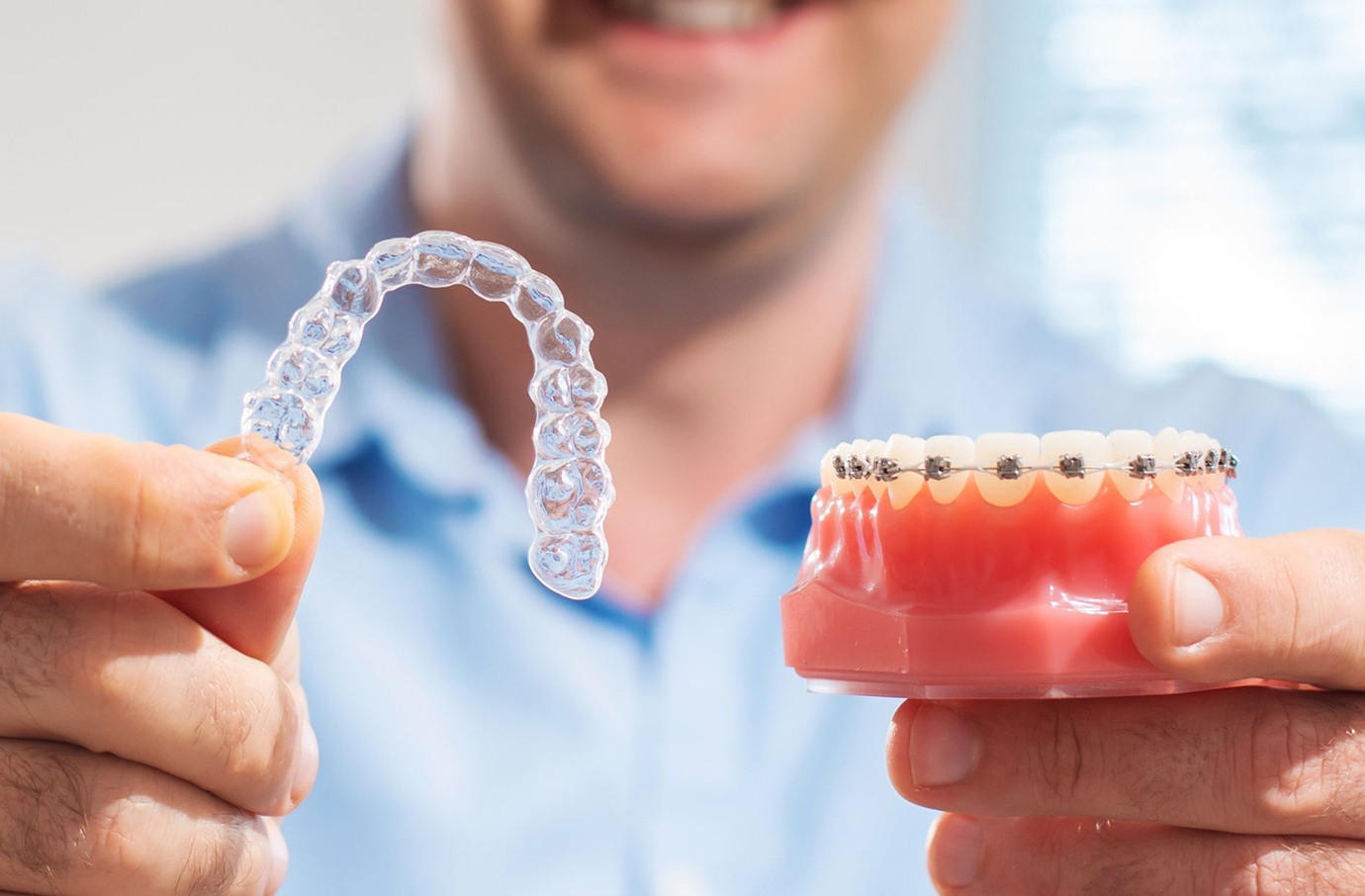
Does it feel strange, tight, or sore now that you’ve started wearing braces or Invisalign, and you’re wondering if this is normal? Almost every orthodontic patient has this same question in the early days of treatment. The good news is that what you’re feeling is usually expected and manageable.
By the end of this blog, you’ll understand why discomfort happens, how long it lasts, what you can do to ease it, and most importantly, when it’s time to reach out for help. Knowing what’s normal can bring peace of mind and help you move through this phase with confidence.
Why Discomfort Happens at the Start of Orthodontic Treatment?
The teeth alignment treatment works by applying steady, controlled pressure to move teeth into healthier positions. When that pressure is first introduced or adjusted, your teeth and surrounding tissues need time to respond.
This adjustment period often causes:
- A dull soreness or tenderness
- Pressure when biting or chewing
- Mild jaw fatigue
- Sensitivity in certain teeth
These sensations are a sign that your treatment is working, not that something is wrong.
What Normal Soreness Feels Like (and How Long It Lasts)?
For most patients, discomfort begins within the first 24 hours after getting braces or switching to a new aligner tray. The soreness typically peaks around day two or three and gradually fades.
Most people feel significantly better within 5 to 7 days. With aligners, you may notice similar sensations each time you move to a new set. However, they often become milder as your mouth adapts.
Simple Ways to Manage Soreness After Adjustments
There are several practical steps you can take to stay comfortable during the early phase of treatment:
- Stick to soft foods like soups, smoothies, yogurt, eggs, or mashed vegetables
- Use orthodontic wax to protect lips and cheeks from irritation
- Rinse with warm salt water to soothe tender tissues
- Apply a cold compress to reduce inflammation
- Take over-the-counter pain relief if recommended by your orthodontic provider
Small adjustments to your routine can make a big difference.
Braces vs. Invisalign: Does Discomfort Feel Different?
Yes! Though both can cause soreness, the experience varies slightly.
With braces, discomfort often comes from pressure on teeth and irritation from brackets or wires. With invisalign, soreness usually feels like tight pressure, especially during the first few days of a new tray. Both experiences are temporary and tend to lessen as treatment progresses.
Signs Your Discomfort Is Normal
You can usually feel reassured if:
- The soreness improves each day
- Pain is mild to moderate, not sharp
- Sensitivity occurs mainly when chewing
- Discomfort fades within a week
These are common signs that your teeth are responding as expected.
When You Should Contact Your Orthodontic Provider
While some discomfort is normal, certain symptoms shouldn’t be ignored. Reach out if you experience:
- Severe or worsening pain that doesn’t improve
- Sores that don’t heal
- Broken wires, loose brackets, or damaged aligners
- Pain that interferes with daily activities after several days
Your provider can make quick adjustments to restore comfort and keep treatment on track.
Staying Motivated Through the Adjustment Phase
It helps to remember that this early discomfort is temporary, but the results are long-lasting. Many patients say the first week is the hardest, and after that, orthodontic care becomes part of their routine. Knowing what to expect and how to manage it puts you in control of your experience.
A Comfortable Beginning Makes All the Difference
The first days with these teeth straighteners can feel unfamiliar, but with the right guidance, they don’t have to feel overwhelming. Understanding what’s normal and knowing when to ask for help sets the foundation for a smoother, more confident orthodontic journey.
If you have questions about these orthodontic appliances or ongoing discomfort, our trusted orthodontist at Bliss Dental & Orthodontics is here to help. Contact us today and get guidance designed around your comfort and goals.
FAQs
1. Is it normal for braces or aligners to hurt at first?
Yes, mild to moderate soreness is common during the first few days. Your teeth and supporting tissues are adjusting to pressure, which causes temporary discomfort that usually improves within a week.
2. How long does discomfort last after an orthodontic adjustment?
Most patients notice soreness for three to seven days after adjustments. Each day typically feels better than the last, especially when soft foods and simple comfort measures are used consistently.
3. Why do my teeth feel sensitive when I bite down?
Biting sensitivity happens because the teeth are actively shifting. This pressure affects the ligaments around each tooth, making chewing feel uncomfortable for a short period during early treatment stages.
4. Does discomfort happen every time aligners are changed?
Some pressure is common when switching to a new aligner set, especially in the first few cycles. However, many patients find that the sensation becomes milder as their teeth adapt over time.
5. Can irritation from braces damage my mouth?
Temporary irritation is common but rarely harmful. Using orthodontic wax and saltwater rinses protects soft tissues and helps prevent sores from worsening or becoming more painful.
6. When should I worry about orthodontic pain?
Sharp, worsening, or persistent pain should be evaluated. These symptoms may indicate an appliance issue that can be corrected with a simple adjustment by your provider.
7. Will orthodontic discomfort affect my daily routine?
Most patients adjust quickly and continue normal activities. Initial soreness may temporarily affect eating choices, but it rarely interferes with work, school, or sleep after the first few days.