
You’ve tried the strips. Maybe the whitening toothpaste too. And while they helped a little, the stains the ones from years of coffee, tea, or just life are still there. Looking back at you every morning.
Here’s the thing most over-the-counter products don’t tell you: there are two kinds of tooth staining, and the one that bothers you most is almost certainly the kind they can’t touch.
Professional teeth whitening works differently. It reaches deeper, works faster, and produces results that genuinely turn heads without the guesswork or the enamel damage that comes from using the wrong products for months on end.
At Bliss Dental & Orthodontics, patients across West Texas including those who visit our Lubbock dental office ask us constantly why their at-home results never matched what they expected. The answer almost always comes back to the same thing: the type of treatment matters as much as the effort you put in.
This guide breaks down exactly how professional teeth whitening works, what makes it safe, and what to realistically expect before you book.
The Two Types of Tooth Staining and Why One Is Far Harder to Fix
Most patients don’t realize that not all tooth discoloration comes from the same source. Understanding the difference changes everything about which treatment will actually work.
Extrinsic Stains: Surface-Level Discoloration
Extrinsic stains sit on the outer layer of enamel the pellicle, a thin protein film that coats your teeth. These stains come from:
- Coffee, tea, and red wine
- Tobacco use
- Heavily pigmented sauces and foods
- Poor oral hygiene over time
Whitening toothpastes and strips can reduce extrinsic staining because they’re essentially polishing or lightly bleaching the surface layer. Results look fine at first, until the stains come back, often faster than before.
Intrinsic Stains: Deep, Below-the-Surface Discoloration
Intrinsic stains are embedded within the dentin the inner layer beneath enamel. These come from:
- Natural aging (enamel thins and dentin yellows over decades)
- Certain antibiotics taken during tooth development
- Excessive fluoride exposure during childhood (dental fluorosis)
- Trauma to a tooth that caused internal bleeding
- Long-term consumption of highly acidic foods or beverages
Over-the-counter products simply cannot reach intrinsic staining. Their concentration of peroxide is too low, and without professional application, they can’t penetrate the enamel surface effectively. Professional whitening can and that’s the core difference.
If you’ve ever wondered why some whitening methods barely change deeper stains while others create dramatic results, our guide on The Truth About Teeth Whitening: What Actually Works breaks down which treatments genuinely work and which mostly rely on marketing claims.
How Professional Teeth Whitening Actually Works
What Is Professional Teeth Whitening?
Professional teeth whitening is a dentist-supervised treatment using clinically formulated peroxide-based whitening agents typically hydrogen peroxide (15–40%) or carbamide peroxide. Applied directly to teeth with protective barriers in place, these agents penetrate enamel and break apart the molecular bonds that hold stain pigments, releasing discoloration from both the surface and below it.
The process inside a dental office typically unfolds in three stages:
Stage 1- Pre-Treatment Evaluation
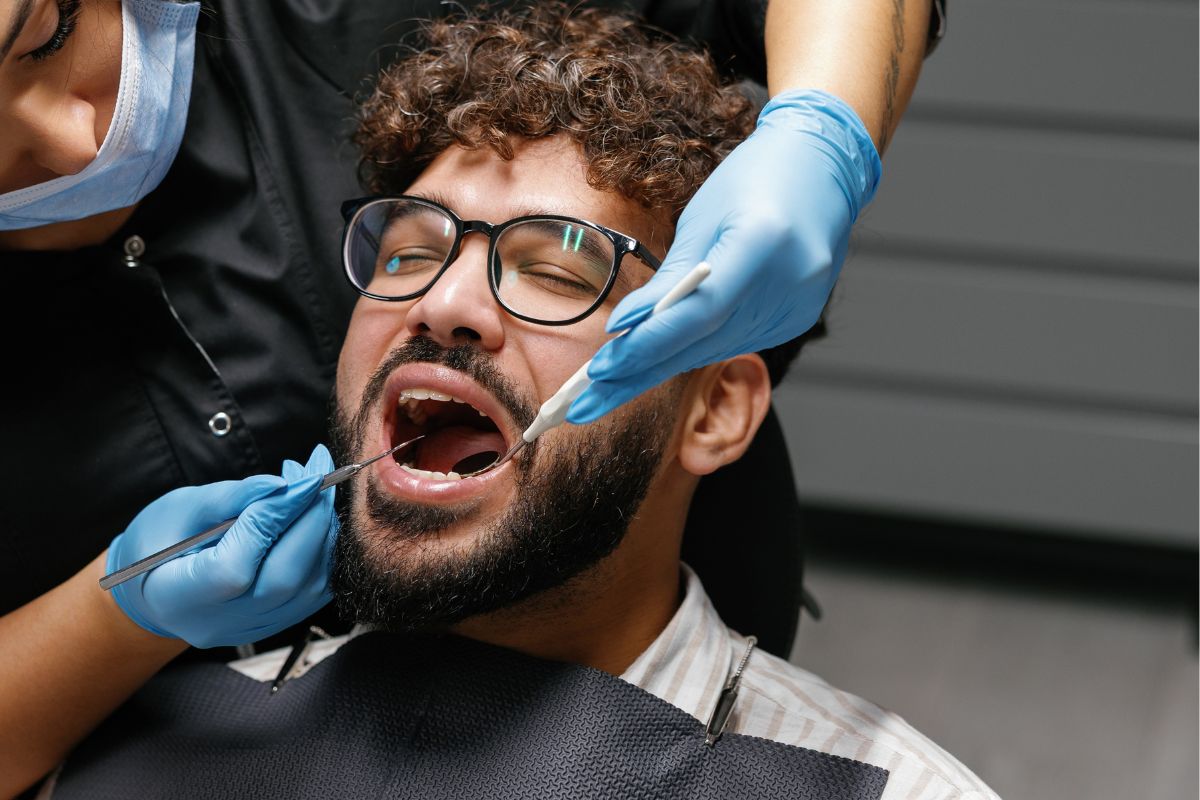
Before any whitening agent touches your teeth, a dentist evaluates your oral health baseline. Cavities, exposed roots, gum disease, or compromised enamel can make whitening uncomfortable or temporarily unsafe. This step also establishes your current shade so you can see exactly how far you’ve come after treatment.
Stage 2- Protected Application
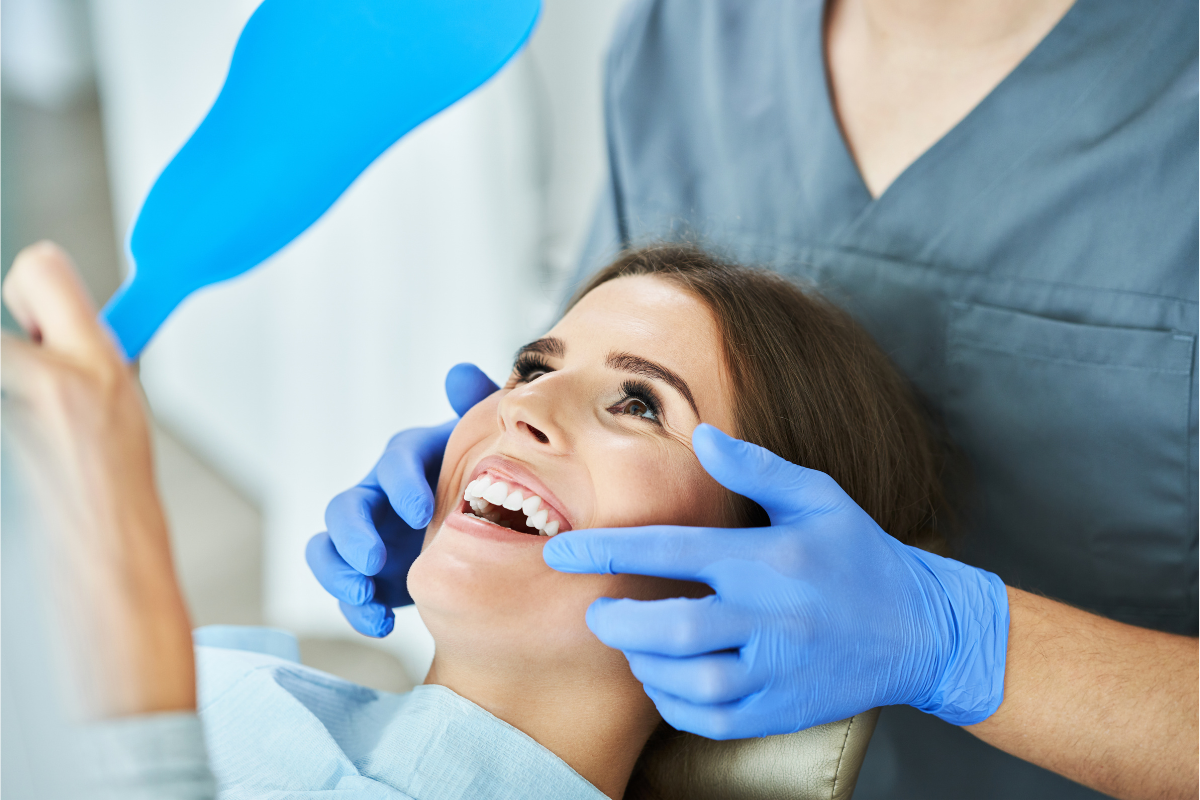
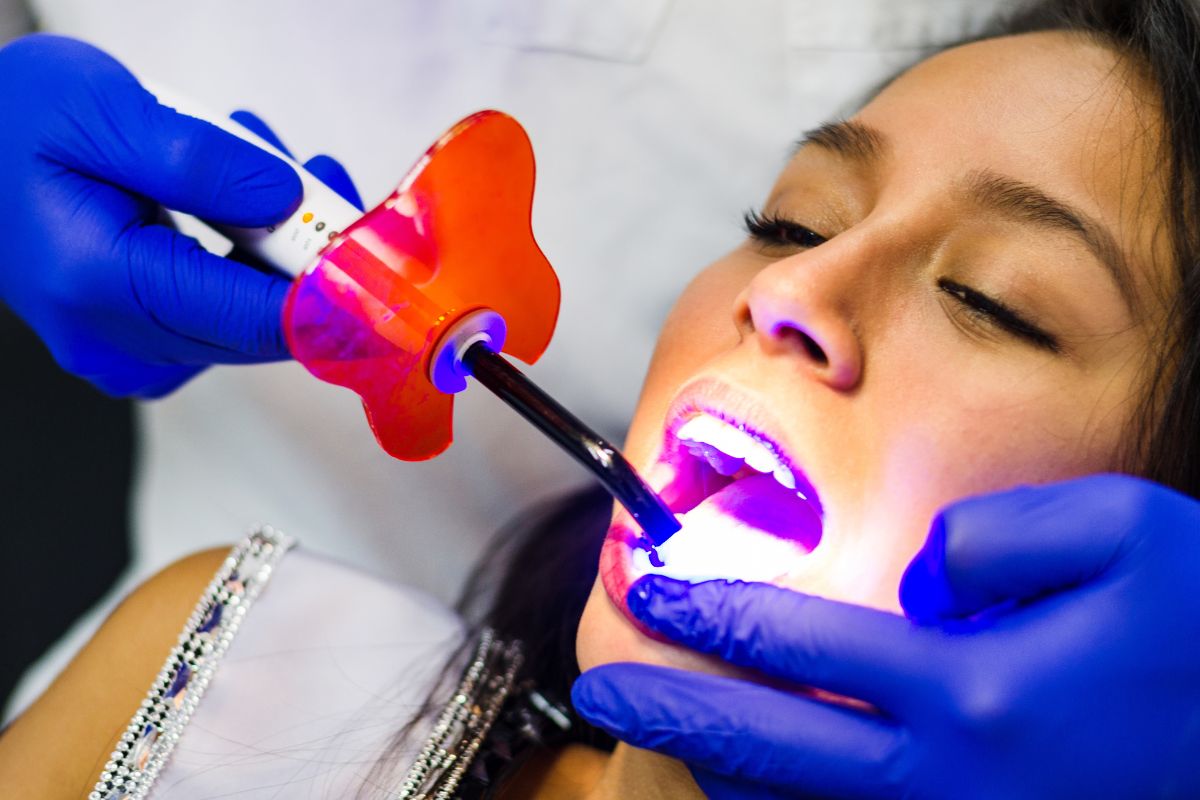
A protective gel or rubber shield is placed over your gum tissue to prevent the whitening agent from irritating soft tissue. The whitening gel is then applied to the tooth surfaces often in two or three timed cycles during a single appointment. Some in-office systems use a curing light or laser to accelerate the chemical reaction.
Stage 3- Post-Treatment Care
After treatment, a fluoride-based desensitizing gel is often applied to support enamel remineralization and manage any post-procedure sensitivity. Your dentist will walk you through the 24–48 hour aftercare window the period when enamel pores are temporarily more open and teeth are most susceptible to restaining.
Professional Whitening vs. Over-the-Counter: The Honest Comparison
| Factor | Professional Whitening | Over-the-Counter Products |
| Whitening agent | Clinically formulated hydrogen or carbamide peroxide (up to 40%) | Low-concentration peroxide (3–10%) or abrasive agents |
| Depth of stain removal | Intrinsic (deep, below enamel surface) | Extrinsic (surface only) |
| Session time | 45–90 minutes in-office | Days to weeks of repeated use |
| Enamel protection | Professional application with gum shielding | No protection self-applied |
| Sensitivity management | Custom protocol + desensitizers | None |
| Results longevity | 1–3 years with care | Weeks to a few months |
| Customization | Shade-matched to your natural tooth colour | One-size-fits-all |
| Dentist oversight | Full evaluation before treatment | None |
Still comparing professional whitening to drugstore products? Read our full breakdown of Professional Teeth Whitening vs Store-Bought Kits: What Actually Works? to understand the real differences in whitening strength, safety, longevity, and overall results.
Is Professional Teeth Whitening Safe? What the Research Says
This is the question most patients arrive with and the honest answer is: yes, when properly administered, professional teeth whitening has a strong safety record and doesn’t damage healthy enamel.
Here’s what actually happens at the enamel level during treatment: the peroxide temporarily diffuses into enamel and dentin, oxidizing the chromogen molecules responsible for discoloration. The enamel itself isn’t removed its structure remains intact. Post-treatment, the enamel naturally remineralizes and closes.
Sensitivity, the most common side effect, is temporary typically resolving within 24–72 hours. Dentists who specialize in whitening know how to minimize it through pre-treatment fluoride application, adjusted concentration levels, and shorter treatment cycles for patients with naturally more sensitive teeth.
Who Should Not Whiten (or Should Wait):
- Patients with active cavities or gum disease (treat first)
- Pregnant or nursing patients (precautionary)
- Children under 16 (enamel still developing)
- Patients with severe intrinsic staining that won’t respond to peroxide (veneers or bonding may be more appropriate)
What to Realistically Expect: Before, During, and After
Setting honest expectations is something any reputable whitening dentist should do before treatment begins. Here’s how the experience typically unfolds:
Before Your Appointment
- Schedule a cleaning first if it’s been more than 6 months whitening works better on a clean surface
- Avoid whitening toothpastes for 1–2 weeks prior (they can temporarily increase sensitivity)
- Let your dentist know about any existing crowns, veneers, or bonding these won’t change colour
- Discuss any prior sensitivity issues so treatment can be adjusted accordingly
During the Session
- Most in-office appointments take 60–90 minutes
- You may feel a mild tingling or pressure this is normal and temporary
- Multiple gel applications are typical two or three rounds within the same appointment
- You’ll see the shade begin to lift during treatment
After Treatment
- Avoid coffee, tea, wine, tomato-based foods, and tobacco for 48 hours
- Use a soft toothbrush and non-abrasive toothpaste for the first few days
- Some sensitivity is normal it typically resolves within 72 hours
- Results continue to settle over the next 7–10 days as enamel fully remineralizes
How to Make Your Whitening Results Last
The investment in professional whitening is only worth it if the results hold up. Here’s what actually moves the needle on longevity:
- Consistent brushing twice daily with a fluoride toothpaste
- Flossing daily to prevent stain buildup in interproximal areas
- Using a straw for coffee, tea, and wine when possible
- Rinsing with water after consuming staining foods or drinks
- Scheduling routine dental cleanings every 6 months professional polishing removes early staining before it sets
- Using dentist-provided take-home touch-up trays as recommended
Most patients who stay consistent with their oral hygiene and avoid high-staining habits find results lasting 18 months to two years before a touch-up feels necessary. Some patients go longer.
Wondering If Professional Whitening Is Right for You?
Our team at Bliss Dental & Orthodontics will evaluate your smile, walk you through realistic outcomes, and recommend the right whitening approach for your enamel and shade goals. Schedule Your Whitening Consultation now.
When Whitening Is the Right Choice and When It Isn’t
Professional whitening delivers real, measurable results for the right candidate. But it isn’t the solution for every smile concern. Understanding when to choose whitening versus other cosmetic options helps set realistic expectations and avoids wasted investment.
Choose Professional Whitening When:
- Your teeth are structurally healthy with no untreated decay or active gum disease
- Your discoloration is primarily from dietary staining, aging, or lifestyle habits
- You’re looking for a conservative, non-invasive treatment with minimal recovery
- You want a brighter baseline before other cosmetic dental work
Consider Other Cosmetic Options When:
- Staining is severe or intrinsic and unlikely to respond to peroxide
- You have significant chips, cracks, or uneven surfaces veneers or bonding may serve better
- You want a complete smile transformation rather than brightening alone
- Prior whitening attempts have not produced satisfactory results
Your dentist’s cosmetic dental services can help you understand which combination of treatments makes the most sense for your smile goals. Whitening is often the first step but rarely the only tool available.
Ready for a Smile That Reflects How You Actually Feel?
Professional whitening at Bliss Dental & Orthodontics is safe, fast, and genuinely effective. Book a consultation today and find out exactly what your results could look like.Visit our website to Book Your Appointment!
Key Takeaways: Professional Teeth Whitening at a Glance
- Two types of staining require different solutions professional whitening reaches both
- Clinically formulated agents work at concentrations far above any OTC product
- Pre-treatment evaluation ensures whitening is safe for your specific oral health
- Sensitivity is common but temporary good protocol minimizes it significantly
- Results last 1–3 years with proper care and routine cleanings
- Whitening doesn’t affect crowns, veneers, or bonding discuss existing restorations first
- Post-treatment aftercare in the first 48 hours directly affects how long results last
Frequently Asked Questions About Professional Teeth Whitening
Q1: Is professional teeth whitening safe for my enamel?
Yes when performed by a trained dental provider, professional whitening is safe for enamel. The process temporarily opens enamel pores to lift stains, then remineralizes. Dentists use protective barriers for gum tissue and can apply fluoride post-treatment to support enamel recovery.
Q2: How long does professional teeth whitening last?
Most patients maintain results for one to three years with consistent oral hygiene and periodic touch-ups. Habits like coffee, red wine, and tobacco use accelerate restaining. Your dentist can recommend a maintenance schedule based on your lifestyle.
Q3: Does professional whitening work on all types of stains?
Professional whitening is highly effective on extrinsic stains (coffee, wine, tea) and most intrinsic stains (natural aging, mild tetracycline). Some intrinsic staining from certain medications, fluorosis, or trauma may not respond and may be better addressed with veneers or bonding.
Q4: What’s the difference between in-office whitening and take-home trays from a dentist?
In-office treatment uses a higher-concentration whitening agent and delivers dramatic results in a single appointment. Dentist-provided take-home trays use a lower concentration with custom-fitted trays for gradual whitening over 1–2 weeks. Both are far more effective than over-the-counter products.
Q5: Will professional whitening cause tooth sensitivity?
Some temporary sensitivity is common, particularly in the 24–48 hours following treatment. Dental providers anticipate this and often use desensitizing gel before or after treatment. Patients with pre-existing sensitivity can discuss a modified protocol before starting.
Q6: How white will my teeth actually get?
Results vary depending on your natural tooth shade and the type of staining present. Most patients see a 4–8 shade improvement after a single in-office session. Your dentist will set realistic expectations during a pre-treatment shade evaluation results are brightened, not artificial-looking.
Q7: Can I whiten my teeth if I have dental crowns or veneers?
Whitening agents do not change the color of crowns, veneers, or composite bonding only natural tooth enamel responds. If you have visible restorations, discuss this with your dentist before treatment so any mismatched shading can be planned for.
Q8: How soon after whitening can I eat and drink normally?
For the first 24–48 hours after whitening, avoid deeply pigmented foods and beverages (coffee, wine, tomato sauce, berries). The enamel pores are temporarily more open post-treatment, making teeth more susceptible to restaining during this window.