
The Part of Invisalign® Treatment Nobody Talks About!
You wore the aligners. You counted the weeks. You finally saw that straight, even smile in the mirror. Then your provider handed you a retainer and said some version of “wear this every night, forever,” and honestly it can feel like an afterthought. It isn’t. Retainers after Invisalign® treatment are the single biggest factor in whether your results last five months or fifty years. Skip that part of the plan and even the most carefully executed treatment can start to unravel. Patients wrapping up treatment at our East Odessa orthodontic team hear this from us often, because we’d rather you hear it before relapse starts than after.
This guide walks through why retainers matter, the different types available, realistic wear schedules, and how to tell when something’s off, so the smile you worked for actually sticks around.
Why Skipping Your Retainer Is Riskier Than It Feels
Teeth aren’t cemented into your jaw, they’re held in place by a network of ligament fibers that behave almost like tiny elastic bands. During Invisalign® treatment, those fibers stretch and reshape as your teeth move. Right after treatment, they’re still “remembering” their old positions and actively pulling teeth back toward where they started. This is called orthodontic relapse, and it’s the reason retainers exist in the first place.
Relapse doesn’t usually happen overnight. It creeps in a slightly rotated incisor here, a small gap reopening there until one day the changes are obvious in photos. Left unaddressed, this can also affect bite alignment, making it harder to clean between teeth and increasing the risk of tooth decay and gum irritation in spots that used to be easy to reach. In other words, this isn’t only a cosmetic issue; it’s connected to your broader oral health.
Did You Know?
Research on orthodontic stability shows that teeth can begin drifting within 48 to 72 hours of a retainer being left out consistently. That’s why “I’ll start again next week” is one of the most common ways relapse begins.
Types of Retainers After Invisalign Treatment
Not all retainers are built the same way, and the right one depends on your bite, your habits, and how your teeth responded to treatment. Here’s a quick side-by-side look at the most common options patients are offered after Invisalign® treatment.
| Retainer Type | Wear Schedule | Best For | Typical Lifespan |
|---|---|---|---|
| Vivera® Retainer | Full-time, then nights only | Patients who just finished Invisalign® | 1–2 years per set |
| Essix (Clear) Retainer | Full-time, then nights only | A discreet, removable option | 1–2 years |
| Fixed (Bonded) Retainer | Worn 24/7, no removal | Long-term stability, lower-front teeth | Several years, with checkups |
Vivera® retainers are made by the same company behind Invisalign®, using a firmer plastic designed specifically for long-term retention. Essix retainers work on a similar principle but may be made through a different lab. Fixed retainers a thin wire bonded behind the front teeth – are often recommended for the lower arch, where relapse tends to happen fastest and where a removable option is easiest to forget.
How Long Do You Really Need to Wear a Retainer?
This is the question almost every patient asks, and the honest answer is: longer than you probably expect. A typical, general timeline looks like this:
- First 3 to 6 months: Full-time wear, removing retainers only to eat, drink (anything but water), and brush. This is when your bite is least stable and most prone to shifting.
- Months 6 through 12: Many providers transition patients to nights-only wear, based on how well the teeth have held their position at follow-up visits.
- Beyond the first year: Nightly wear typically continues indefinitely. Think of it less like a phase of treatment and more like a permanent habit, similar to brushing your teeth.
Every bite is different, so this schedule should always be confirmed by whoever monitored your Invisalign® treatment. Skipping ahead to a lighter schedule before your teeth are ready is one of the most common causes of avoidable relapse.
Caring for Your Retainer, the Right Way
A retainer only works if it still fits precisely, so how you care for it matters almost as much as how often you wear it. A few habits go a long way:
- Rinse it every time you remove it: Saliva and plaque build up quickly on plastic and wire, and rinsing prevents odor and bacterial buildup between cleanings.
- Clean it gently, not with toothpaste: Toothpaste is mildly abrasive and can scratch clear plastic, creating tiny grooves where bacteria collect. A soft brush and lukewarm water (or a retainer-specific cleaner) is a safer routine.
- Keep it in its case, always: Napkins and pockets are the two most common places retainers get lost or accidentally thrown away.
- Never use hot water: Heat can warp clear plastic retainers permanently, which changes their fit and undermines everything your treatment accomplished.
If your retainer ever cracks, feels loose, or no longer seats fully without pressure, don’t wait for your next scheduled visit. Our Odessa dental team regularly sees patients for quick retainer checks between routine appointments, because a small fit issue caught early is far easier to correct than one that’s had months to progress.
When It’s Time to Bring In Your Dentist
A little discomfort for the first night or two of a new retainer is normal, similar to the mild pressure you may have felt with a new set of aligners. What isn’t normal is a retainer that no longer seats fully, visible gaps between the plastic and your teeth, or noticeable movement you can see in the mirror. Those are signals that it’s time for a professional look, not a wait-and-see approach.
If you’re remembering the soreness from your first days with aligners, that’s completely normal. The pressure from a new retainer is usually much milder but can feel similar at first. If you’re just beginning orthodontic treatment rather than finishing it, read our guide “New to Braces or Invisalign? Here’s How to Manage Early Soreness” to learn what’s normal, how long discomfort lasts, and simple ways to make your adjustment easier.
Restorative dentistry has come a long way, but the easiest “fix” for orthodontic relapse is always prevention: consistent retainer wear, monitored through periodic checkups. Our team can evaluate whether a retainer simply needs replacing or whether short-term refinement aligners are worth discussing before minor shifting becomes a bigger, more expensive problem.
⭐⭐⭐⭐⭐ Yanet – Bliss Dental & Orthodontics East Odessa
“His work is very professional. I recommend him 100%.”
See what other patients say about their experience on our Google reviews.
Meet Your Dentist

Meet Dr. Jaques Mezencio
Dr. Mezencio is a Texas-licensed orthodontist with more than 20 years of experience, including advanced training completed in Brazil and the United States. He works closely with patients through every stage of orthodontic care, including the retention phase that keeps a finished smile in place long after the aligners come out. His approach centers on clear communication and realistic, honest guidance for each patient’s bite and habits.
Have questions about your retainer or your bite? Meet Dr. Mezencio and explore your orthodontic options.
Still deciding whether Invisalign® is the right orthodontic treatment for your lifestyle? Explore our article “7 Reasons to Choose Invisalign” to see why many teens and adults choose clear aligners for their comfort, convenience, and nearly invisible appearance.
Not Sure If Your Retainer Still Fits?
A quick checkup can catch minor shifting before it becomes a bigger fix. Our team is ready to take a look.
Schedule your appointment now!
Quick-Reference: Protecting Your Results
- Wear it exactly as prescribed: Full-time at first, then nightly – don’t self-adjust the schedule.
- Store it properly: Always in its case, never in a napkin or pocket.
- Clean it daily: Cool water and a soft brush, never hot water or toothpaste.
- Watch for warning signs: Tightness, gaps, or visible movement mean it’s time for a checkup.
- Keep your follow-up visits: Routine monitoring is what catches small issues while they’re still small.
Ready to Protect Your Invisalign® Results?
Whether you need a new retainer, a fit check, or answers about your next steps, our team is here to help you keep your smile exactly where it belongs.
Call now to book your appointment.
Frequently Asked Questions
Do you have to wear a retainer forever after Invisalign® treatment?
In practical terms, yes – at least part-time. Teeth sit in bone and ligament that never fully “lock” into place, so they can drift for the rest of your life. Most people move to a nights-only schedule after the first few months, but stopping retainer wear completely allows gradual, often unnoticed, relapse.
How long do you wear retainers after Invisalign treatment?
A common pattern is full-time wear (20–22 hours a day) for the first 3–6 months, followed by nightly wear indefinitely. Your dentist will adjust this timeline based on how your bite settles and how your teeth respond during checkups.
What do retainers after Invisalign look like?
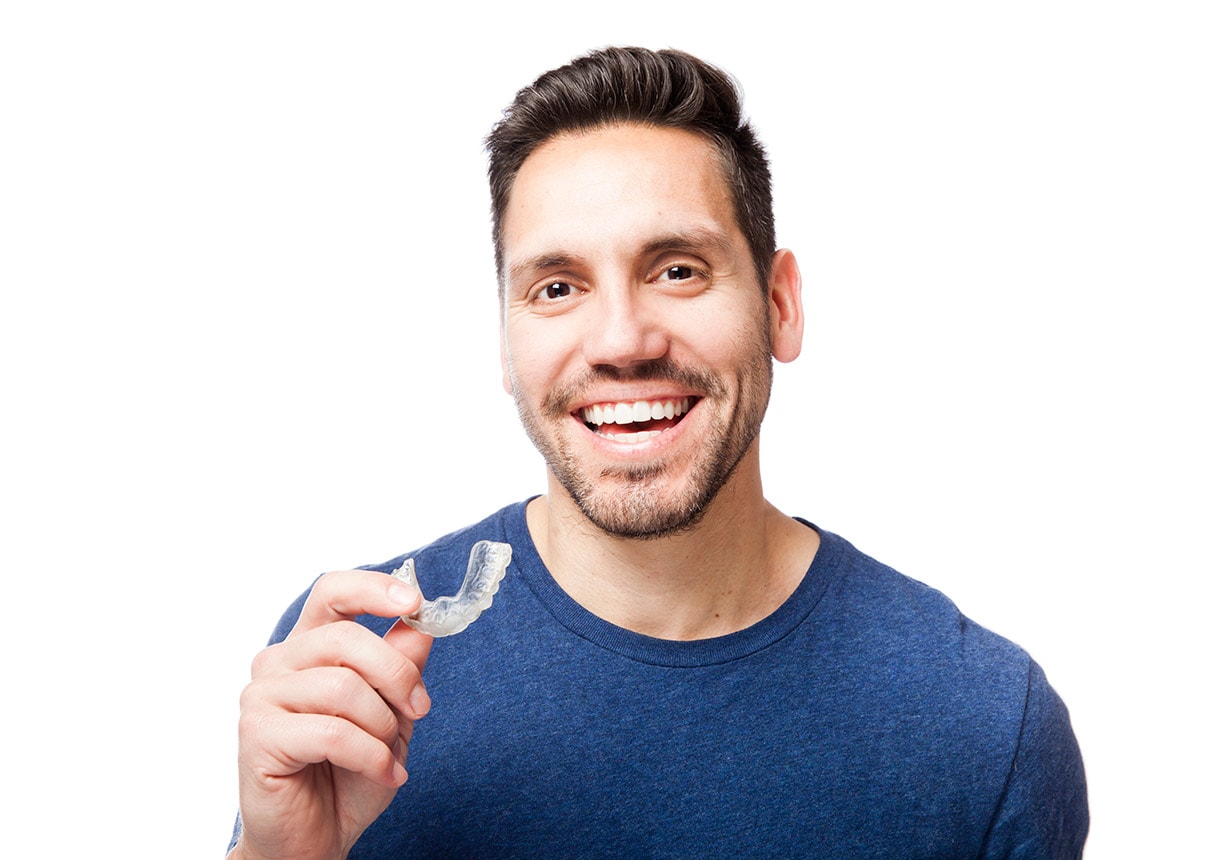
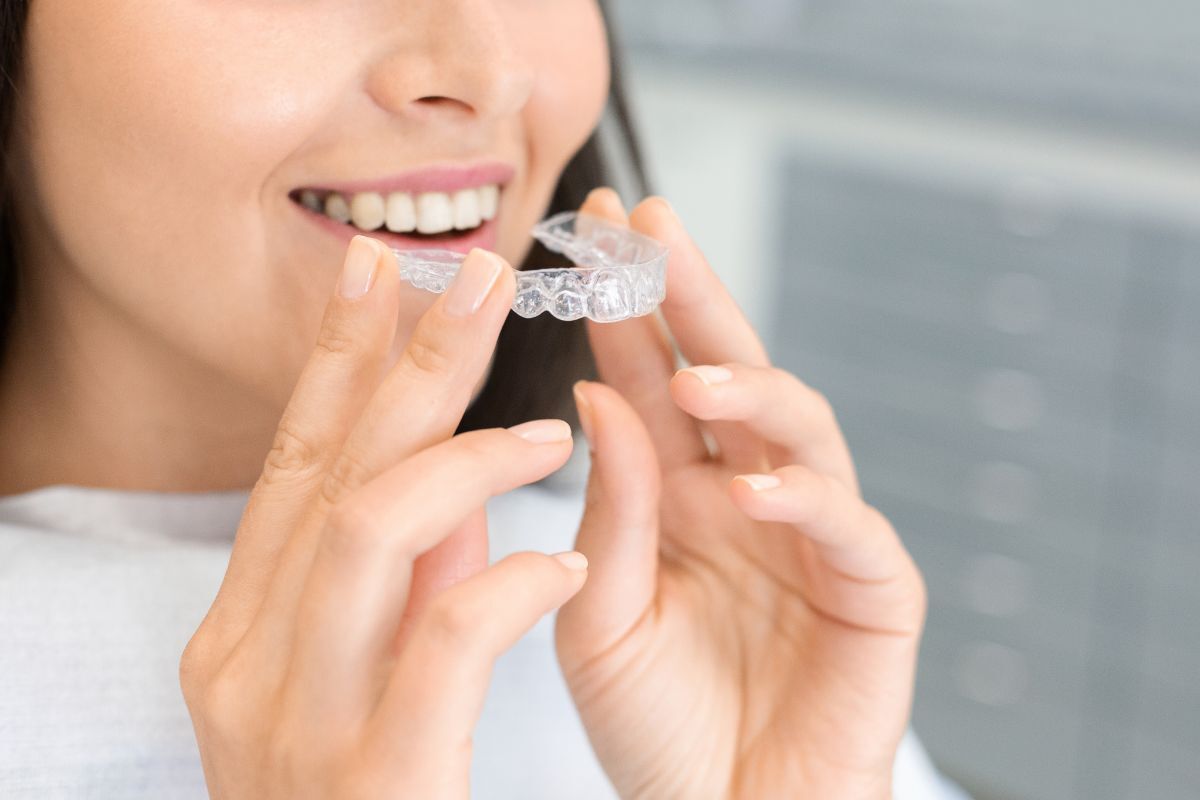
Removable retainers, such as Vivera® or Essix retainers, look almost identical to Invisalign® aligners – clear, custom-molded plastic trays that fit snugly over your teeth. A fixed retainer is a thin wire bonded to the back of your front teeth, invisible from the outside.
What types of retainers are available after Invisalign?
The three main options are removable clear retainers (like Vivera® or Essix), fixed bonded retainers, and, less commonly, traditional wire-and-acrylic Hawley retainers. Many patients use a removable and a fixed retainer together for extra security.
Is a fixed retainer better than a removable one after Invisalign?
Neither is universally “better” – they solve different problems. A fixed retainer removes the risk of forgetting to wear it, while a removable retainer is easier to clean around and can be adjusted or replaced without a bonding appointment. Your dentist can help you decide based on your bite and habits.
What happens if you stop wearing your retainer after Invisalign?
Teeth can begin shifting within days of consistent non-wear, and the longer the gap, the harder it becomes to fit the same retainer comfortably. Mild shifting may be correctable with a new retainer or short refinement aligners; more significant relapse can require a new round of treatment.
How do you know if your retainer no longer fits?
Warning signs include noticeable pressure or tightness when inserting it, visible gaps between the retainer and your teeth, or a retainer that used to slide in easily and now doesn’t. Any of these are a reason to schedule a checkup rather than wait it out.