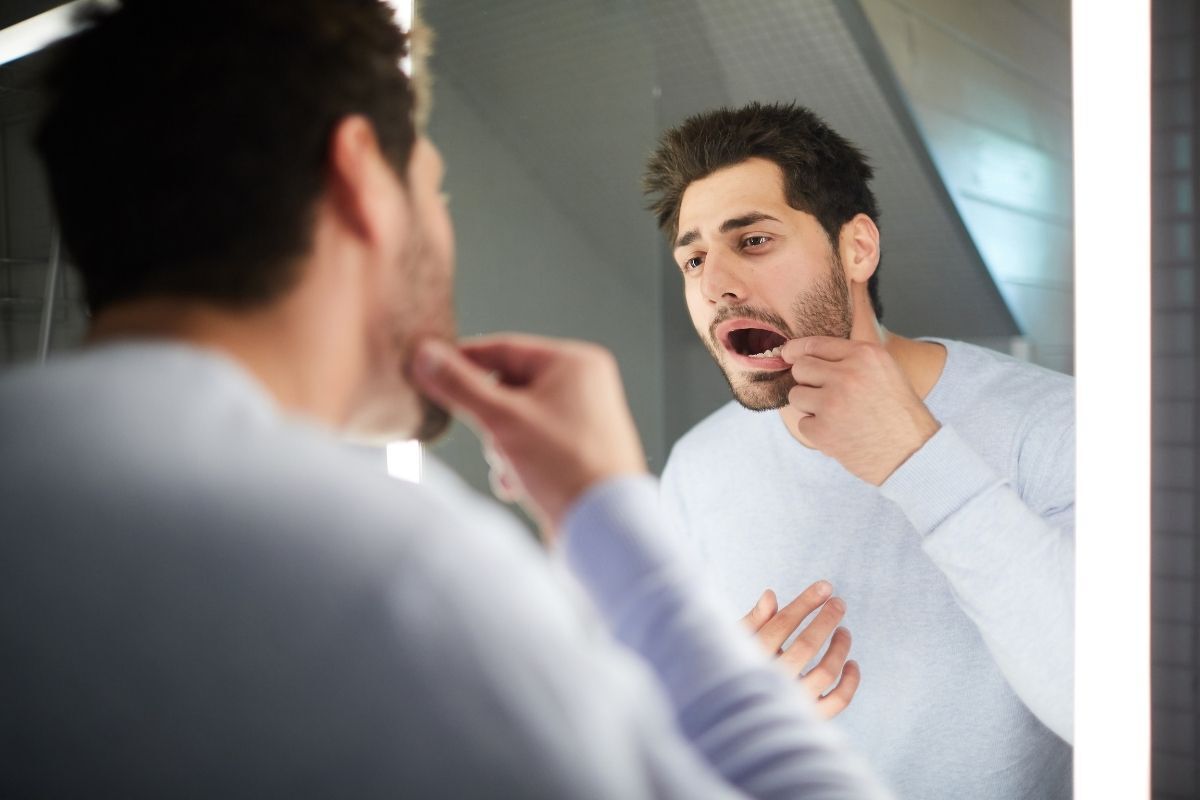


You know the feeling. A twinge when you drink something cold. A little pink in the sink after brushing. A jaw that clicks when you yawn. None of it hurts enough to stop your day — so you don’t call anyone about it. You just keep going.
Most Midland adults we see didn’t ignore their teeth on purpose. Life got busy, the discomfort came and went, and “I’ll deal with it later” quietly became a habit. Then one day, later arrives — usually as a 2 a.m. toothache or a dentist pointing at an X-ray saying, “This has been building for a while.”
This isn’t a scare tactic. It’s what actually happens, over and over, in exam chairs across West Texas. Below are the warning signs adults regret brushing off the most — and what a professional dentist can catch before they turn into an emergency.
Why Small Symptoms Get Ignored
Dental problems rarely announce themselves loudly. Enamel doesn’t have nerve endings, so decay can spread for months before it reaches a nerve and finally hurts. Gum disease is even quieter — it’s often painless until teeth start loosening. By the time something actually hurts, the issue underneath has usually had a head start.
The “It’s Probably Nothing” Trap
Add in a packed schedule, oilfield shift work, or a household running on soccer practices and school pickups, and it’s easy to see why a small symptom gets pushed to next month, then next quarter. The problem is that dental issues don’t pause while life gets busy — they progress.
Why Catching These Signs Early Actually Matters
Preventive dentistry exists for a simple reason: nearly every serious dental problem was once a small, manageable one. A cavity caught early might need a filling. Left alone, it can mean a root canal or an extraction. Early gum inflammation is reversible with a good cleaning. Advanced gum disease can mean bone loss that no toothbrush can undo.
| Did You Know? Gum disease has been linked in research to broader health concerns, including heart and blood sugar issues. Your mouth isn’t separate from the rest of your body — what happens there doesn’t stay there. |
The Warning Signs Midland Adults Regret Ignoring
Here are the symptoms our team hears about most often — usually described as “it’s been going on for a while, but…”
- Gums that bleed when you brush or floss — not just “sensitive gums,” but an early sign of gum disease
- Cold or sweet sensitivity that lingers more than a few seconds after the trigger is gone
- Jaw popping, clicking, or morning headaches, which can point to bite misalignment or nighttime grinding
- A dark spot, rough edge, or visible chip on a tooth, even if it doesn’t hurt yet
- Bad breath that doesn’t go away with brushing, mouthwash, or gum
- A tooth that suddenly feels “different” when you bite down — higher, lower, or off
If you’re noticing one or more of these symptoms, you’re not alone in wondering whether it’s actually time to call a dentist. For a closer look at the signs that deserve prompt attention, see our guide: “9 Warning Signs You Should See a Dentist Sooner Than You Think.”
At a Glance: Signs, Causes, and What Waiting Costs
| Warning Sign | What It Often Means | What Waiting Can Cost You |
| Bleeding gums when brushing | Early gum disease (gingivitis) | Bone loss, loose teeth, gum surgery |
| Tooth sensitivity to cold/sweets | Worn enamel or a hidden cavity | Root canal or extraction |
| Jaw clicking or morning headaches | Bite misalignment or teeth grinding | Cracked teeth, chronic jaw pain (TMJ) |
| Gray or dark spot on a tooth | Decay reaching the inner tooth | Nerve damage, emergency visit, higher cost |
| Persistent bad breath | Bacterial buildup or gum infection | Advanced periodontal disease |
What a Professional Dentist Actually Checks For
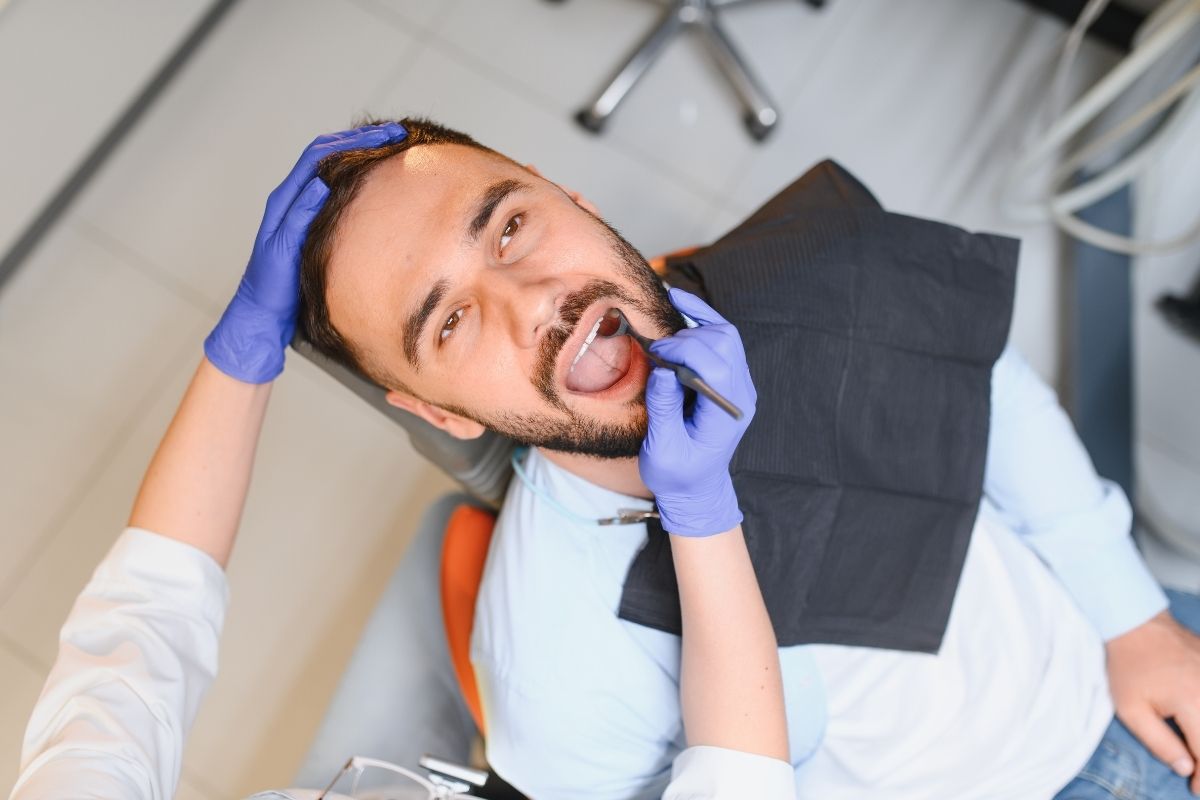
A thorough exam looks well past what you can see in a mirror. Dentists check enamel wear, gum pocket depth, bite alignment, and early signs of decay between teeth that don’t show up until an X-ray reveals them. This is the entire point of routine dental care — catching problems while they’re still small, quiet, and inexpensive to fix.
Restorative Options When Something Has Already Progressed
If a problem has moved past the early stage, that doesn’t mean it’s out of hand. Depending on what’s found, treatment might involve a simple filling, a dental crown to protect a weakened tooth, scaling and root planing for gum disease, or — for teeth that can’t be saved — restorative options that rebuild both function and confidence. The earlier it’s caught, the more conservative the fix tends to be.
Trusted Family Dental Care in Midland, TX
Bliss Dental & Orthodontics has been part of the Midland community, serving families near Midland College and across West Texas – including South Midland, Odessa, and East Odessa. Whole families come through the same door: kids getting their first cleanings, parents catching up on care they’d put off, and grandparents managing decades of dental history.
Choosing a dental practice isn’t only about finding someone nearby. If you’re new to the area or still looking for a dental home you can trust, our guide “New to Odessa, Texas? Here’s How Locals Actually Find a Dentist They Trust” shares practical tips for evaluating local dental care, from convenience and communication to the kind of ongoing care families can rely on.
Meet Your Midland Dentist

Dr. Dustin McBride treats patients at Bliss Dental & Orthodontics in Midland with a straightforward, patient-first approach. He believes small oral health changes today prevent big, painful problems tomorrow — and he takes time to explain exactly what’s happening in a patient’s mouth, not just what to do about it. Meet Dr. McBride and explore your treatment options at your consultation. Schedule your visit now!
⭐⭐⭐⭐⭐ Jorge Medrano
The staff was friendly and very professional. I appreciated how they helped me and did not judge me.
What to Expect at Your First Visit
A first visit at Bliss Dental & Orthodontics in Midland typically includes a full exam, digital X-rays, and a plain-language walkthrough of anything we find – including options, not just orders. Many patients tell us the visit itself was easier than they’d built it up to be in their head.
Simple Habits That Protect Progress Between Visits
- Brush for two full minutes, twice a day, with a soft-bristle brush
- Floss once daily — string or a water flosser both work if used consistently
- Swap sugary or acidic drinks for water when you can
- Wear a night guard if you wake up with jaw soreness or headaches
- Keep routine cleanings on the calendar, even when nothing hurts
| Your Smile Won’t Wait — Neither Should YouWhatever you’ve been putting off, our Midland team is ready to help you sort it out with honesty and care. Booking takes two minutes; peace of mind lasts a lot longer. Call us to schedule your visit now! |
Frequently Asked Questions
1. How do I know if a dental symptom is serious?
Any symptom that lasts more than a few days, such as bleeding gums, lingering sensitivity, or pain when biting down, is worth having checked. Even mild, occasional symptoms can point to a dental problem developing underneath.
2. Can gum disease be reversed?
Early-stage gum disease, called gingivitis, is often reversible with a professional cleaning and better home care. Once it progresses to periodontitis and affects the bone, treatment shifts toward managing and stabilizing the condition rather than fully reversing it.
3. Why do my teeth hurt only with cold drinks?
Cold sensitivity can be caused by worn enamel, a small cavity, or a receding gumline that exposes the tooth root. It’s worth having the area checked even if the discomfort fades quickly because sensitivity can indicate that something has changed inside or around the tooth.
4. Is it normal for gums to bleed a little when I floss?
Occasional light bleeding when you first start flossing again can happen, but bleeding that continues after about a week of consistent flossing may signal inflammation or early gum disease. A dental professional can determine the underlying cause.
5. What happens if I keep ignoring a small cavity?
A small cavity limited to the enamel can often be treated with a simple filling. If left untreated, decay can spread deeper toward the nerve, potentially requiring a root canal, crown, or, in advanced cases, an extraction.
6. Does jaw clicking always mean I need treatment?
Not necessarily. Occasional, painless jaw clicking is relatively common. However, clicking accompanied by headaches, jaw soreness, or a limited range of motion is worth discussing with a dentist because it may be associated with bite problems or teeth grinding.
7. How often should Midland adults get a dental checkup?
Many adults benefit from a dental checkup and cleaning about every six months. However, people with a history of gum disease, dry mouth, ongoing dental treatment, or other oral health concerns may need more frequent visits based on their dentist’s recommendations.
8. What if I don’t have dental insurance?
Uninsured and underinsured patients can still explore options for receiving dental care. The Midland team at Bliss Dental & Orthodontics can discuss available financing or in-house payment options, helping you find a practical way to address dental concerns instead of continuing to delay care.