You brush twice a day. You floss when you remember. You even scrub a little extra when your teeth feel less than perfect. So why do your gums look like they are pulling back, and why does cold water suddenly sting near one tooth?
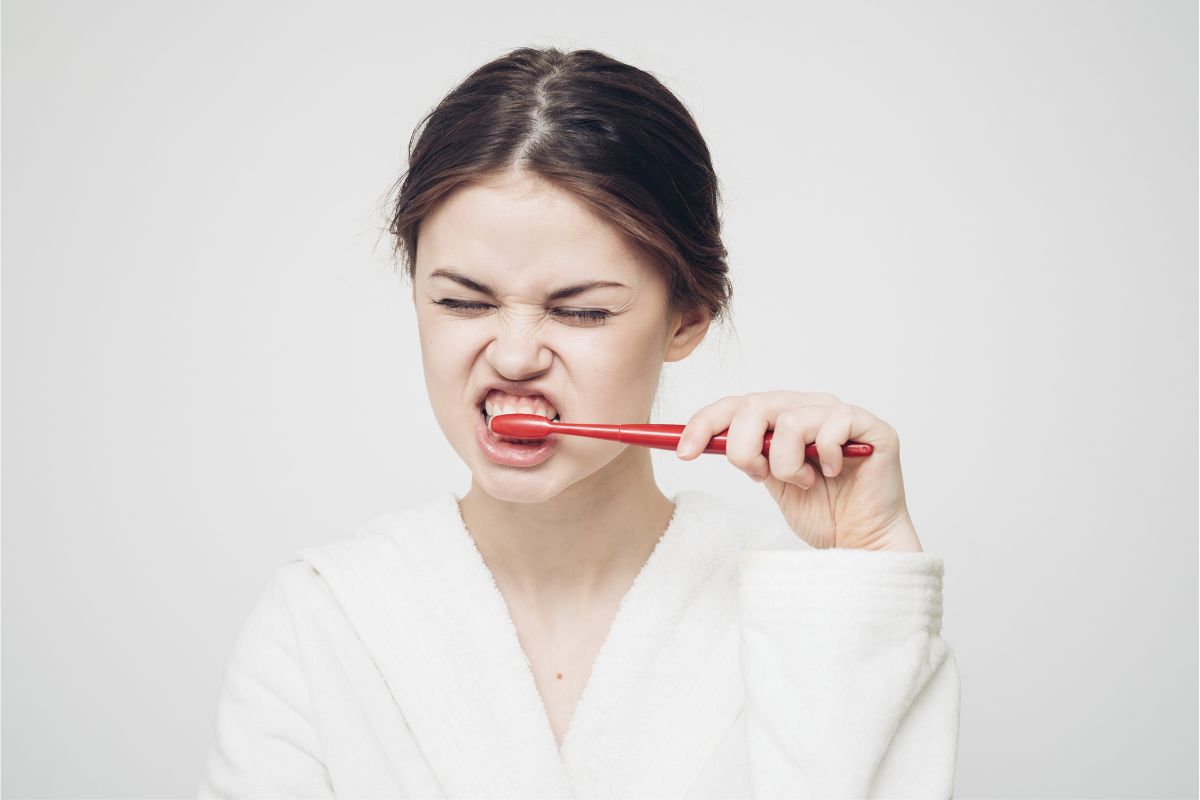
Here is the part many people never hear: more pressure does not mean a cleaner mouth. Plaque is soft. It lifts away with gentle, consistent motion. Pushing harder mostly wears down the very surfaces you are trying to protect.
Any trusted dentist will tell you the same thing: brushing too hard is one of the most common habits they see behind sensitive teeth and thinning gums. It is an easy habit to fix once you know what to look for, and the experienced team at our Midland office sees it often enough to know it usually starts with good intentions. This guide, written from a dental professional’s point of view, walks through what actually happens, how to spot the signs early, and what you can do about it.
Can Brushing Too Hard Damage Teeth?
| Quick Answer Yes. Brushing too hard can wear away tooth enamel and push gum tissue back from the tooth, a process called toothbrush abrasion. Over time this may cause sensitivity, exposed root surfaces, and notches near the gumline. Gentle pressure with a soft-bristled brush cleans just as well without the damage. |
What “too hard” actually means
Most people who brush too hard have no idea they are doing it. The motion feels productive. Dentists often notice it in how a toothbrush looks: bristles splayed out flat after only a few weeks, instead of the three months a brush should typically last.
Pressure is only part of the story. Aggressive back-and-forth sawing, stiff bristles, and gritty whitening pastes used heavily can all add to the problem. The combination matters more than any single factor.
How enamel wear from brushing happens
Enamel is the hard outer shell of each tooth, and it is the strongest substance in your body. But it does not grow back. Once it thins, the softer layer underneath, called dentin, becomes easier to reach. Dentin contains tiny channels that lead toward the nerve, which is why worn areas can react to cold drinks, hot coffee, or even a breath of winter air.
Enamel wear from brushing tends to show up slowly. Many patients describe it as something that “just started” one day, when in reality it built up over years of daily pressure.
Why Brushing Teeth Too Hard Matters More Than You Think
Receding gums from brushing
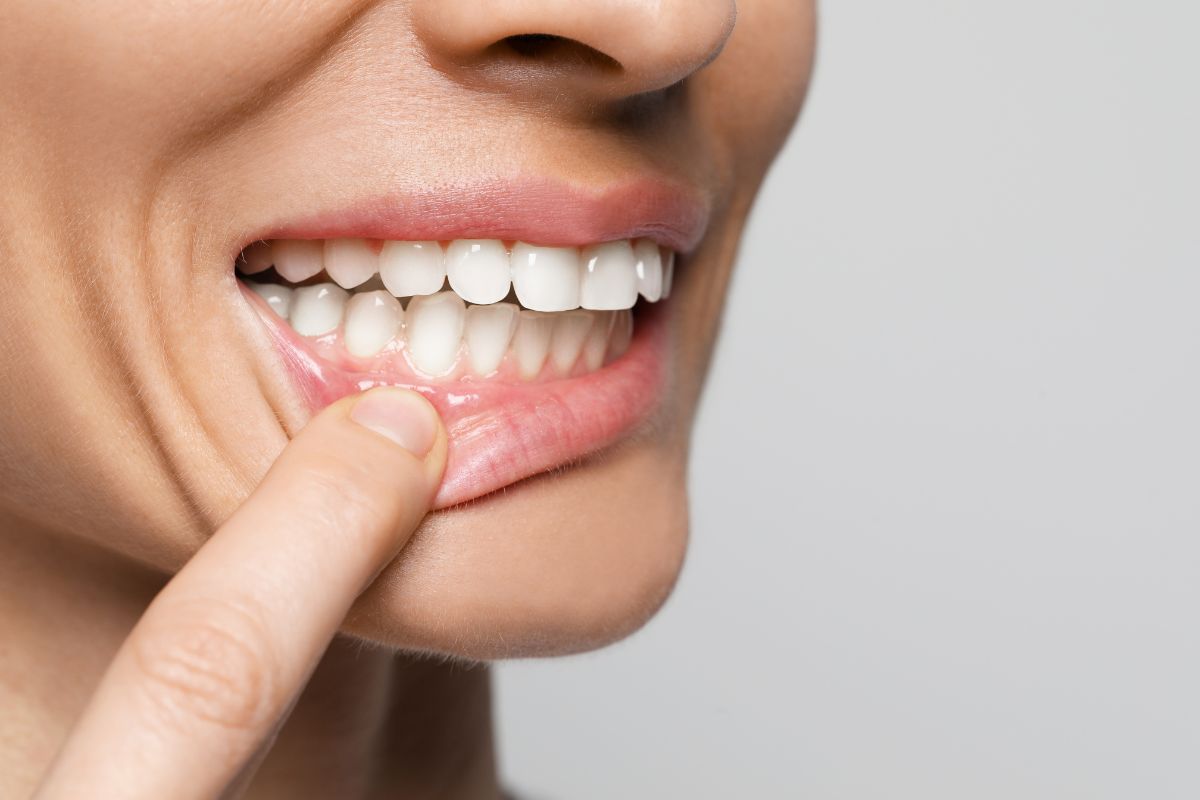
Gum tissue is delicate. Repeated heavy scrubbing can irritate it and encourage it to pull away from the tooth. When that happens, the root surface becomes exposed. Roots do not have the protective enamel crown, so they are more sensitive and more vulnerable to tooth decay.
Gum recession can also come from gum disease, genetics, or teeth that sit slightly out of alignment, so a dental exam is the only reliable way to tell what is driving it. Overbrushing is simply one of the few causes you can change at home.
Smile appearance and long-term oral health
Recession can make teeth look longer and uneven. Worn notches near the gumline can look like small grooves or darker spots. Beyond looks, exposed roots collect plaque more easily, which may raise the risk of decay and gum problems in the same spots.
| Did You Know? Studies and clinical experience both suggest that many people press harder than they think. A good test: if your bristles bend or fan out while you brush, you are almost certainly using too much force. Light pressure, about what it takes to press on your eyelid without discomfort, is plenty. |
Risks of Brushing Too Hard
Left alone, heavy brushing can lead to a chain of problems that build on each other:
- Tooth sensitivity to cold, heat, sweets, or air
- Gum recession that exposes root surfaces
- Wedge-shaped notches (abfraction-like wear) near the gumline
- Higher risk of tooth decay on exposed roots
- Worn enamel that can change the way teeth look and feel
- Uneven wear patterns that sometimes affect bite alignment over time
Gentle brushing vs. hard brushing at a glance
| Gentle Brushing | Brushing Too Hard | |
|---|---|---|
| Pressure | Light, bristles stay upright | Firm, bristles bend or flatten |
| Motion | Short, soft circles or tiny strokes | Fast back-and-forth scrubbing |
| Effect on enamel | Preserves the surface | Gradual enamel wear |
| Effect on gums | Healthy, firm tissue | Irritation and possible recession |
| Plaque removal | Effective with good technique | No better, often worse coverage |
| Sensitivity risk | Low | Higher over time |
Signs You May Be Brushing Too Hard
Your mouth usually gives hints before the damage becomes obvious. Watch for these:
- Bristles that flare out within a month or two
- Sensitivity near the gumline when you drink something cold
- Gums that look thinner or sit lower than they used to
- Small grooves or notches along the edge of a tooth
- Teeth that look longer or darker near the gumline
- Sore or bleeding gums right after brushing, even with a soft brush
Having one of these signs does not automatically mean you brush too hard. Gum disease, grinding, acidic foods, and dry mouth can look similar. That is why it is worth getting a professional opinion instead of guessing.
What a Dental Professional Can Do About It
Finding the real cause
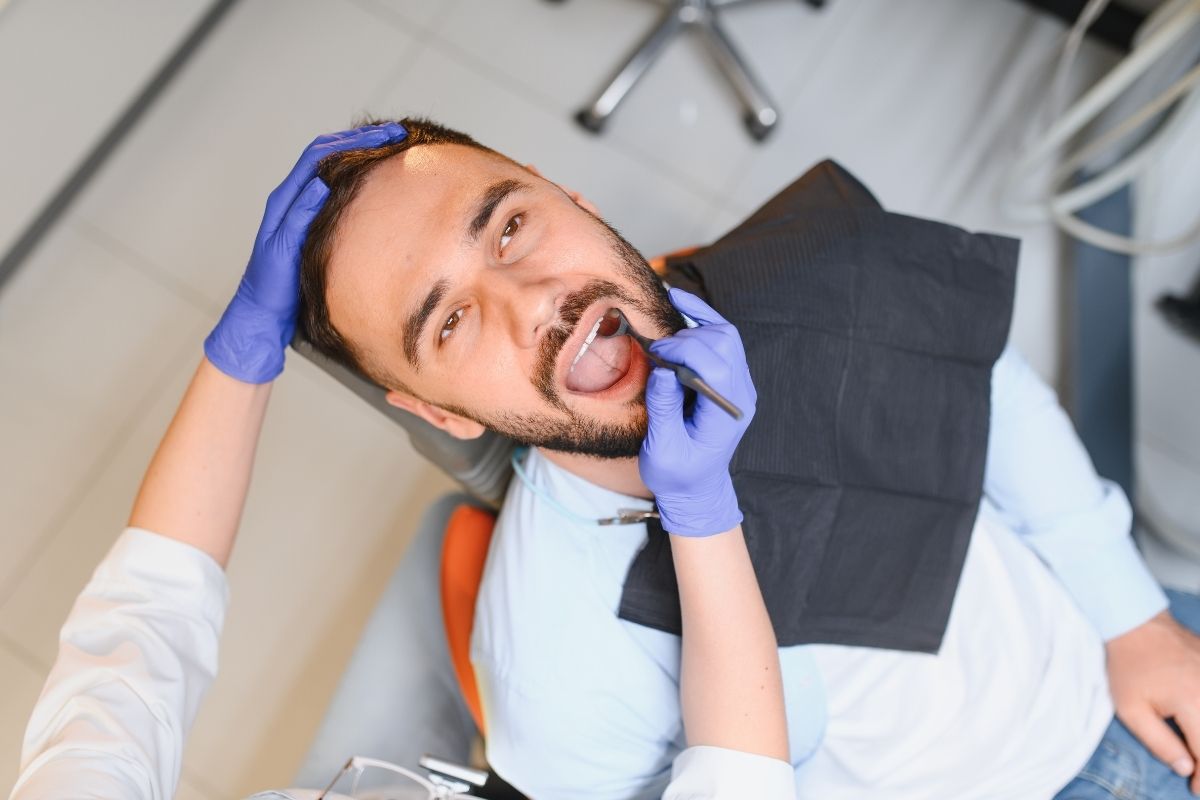
A thorough exam looks at your gums, enamel, bite, and daily habits together. Sometimes brushing is the main cause. Other times it is teeth grinding, acid wear from drinks, or early gum disease working alongside it. Treating the wrong cause only prolongs the problem.
Treatment options for worn or exposed areas
The right approach depends on how far things have progressed, and many people need nothing more than a change in technique. When treatment is needed, it may include:
- Desensitizing treatments to calm exposed dentin
- Tooth-colored bonding to cover small notches and protect the surface
- Gum treatment or grafting when recession is advanced
- Dental crowns for teeth with significant structure loss
- Custom night guards if grinding is adding to the wear
These fall under restorative dentistry and preventive care, and catching the problem early almost always means simpler, less involved treatment. Patients who come in before sensitivity becomes constant tend to have the easiest time. If you would like to talk it through with a team in a nearby community, our Odessa team is also happy to help you sort out what is causing your symptoms.
How to Brush Without Hurting Your Teeth
The good news is that the fix costs almost nothing. A few small changes protect your enamel and gums while still keeping plaque under control.
Practical steps you can start tonight
- Choose a soft-bristled brush and replace it about every three months
- Hold it like a pen, not a fist, to naturally reduce pressure
- Angle the bristles toward the gumline at roughly 45 degrees
- Use short, gentle strokes or small circles instead of long scrubbing
- Brush for two minutes, letting time do the work instead of force
- Consider an electric brush with a pressure sensor if you tend to press hard
- Wait about 30 minutes after acidic foods or drinks before brushing
What about toothpaste?
Very abrasive or heavily whitening pastes can add to wear if you already brush firmly. A fluoride toothpaste with a moderate abrasivity rating is usually a safer everyday choice, especially if your teeth are sensitive. Your dentist can suggest options based on what they see in your mouth.
Frequently Asked Questions
1. Can brushing too hard damage teeth permanently?
Yes. Enamel does not regenerate, and gum tissue that has receded does not grow back on its own. Catching the habit early and switching to a gentle technique helps stop further damage, and a dentist can restore areas that are already worn.
2. How do I know if I am brushing my teeth too hard?
Common clues include splayed bristles, sensitivity near the gumline, thinning or receding gums, and small notches on the tooth surface. A dental exam can confirm whether brushing is the cause or whether something else is involved.
3. Can brushing too hard cause receding gums?
It can contribute, especially combined with a hard-bristled brush or scrubbing motion. Receding gums from brushing often develop slowly. Gum disease, genetics, and bite issues can also play a role, so an exam is the best way to find the cause.
4. Is an electric toothbrush better to avoid brushing too hard?
Many electric brushes include pressure sensors that alert you when you press too firmly, which can help retrain your habits. A manual brush works just as well when used with light pressure and good technique.
5. Can worn enamel be repaired?
Enamel itself cannot regrow, but treatments such as bonding, desensitizing agents, and in more advanced cases dental crowns can protect and restore the tooth. Fluoride can also help strengthen weakened surfaces.
6. What kind of toothbrush is best if I tend to brush hard?
A soft-bristled brush with a small to medium head is generally recommended. Replace it every three months, or sooner if the bristles look bent or frayed.
7. Does brushing too hard cause tooth sensitivity?
It can. When enamel thins or gums recede, the dentin and root surfaces underneath become exposed, and they react more easily to cold, heat, and sweet foods.
8. When should I see a dentist about worn teeth or sensitive gums?
Schedule a visit if sensitivity lasts more than a few days, your gums look like they are pulling back, or you notice grooves along your teeth. Earlier care usually means simpler treatment.