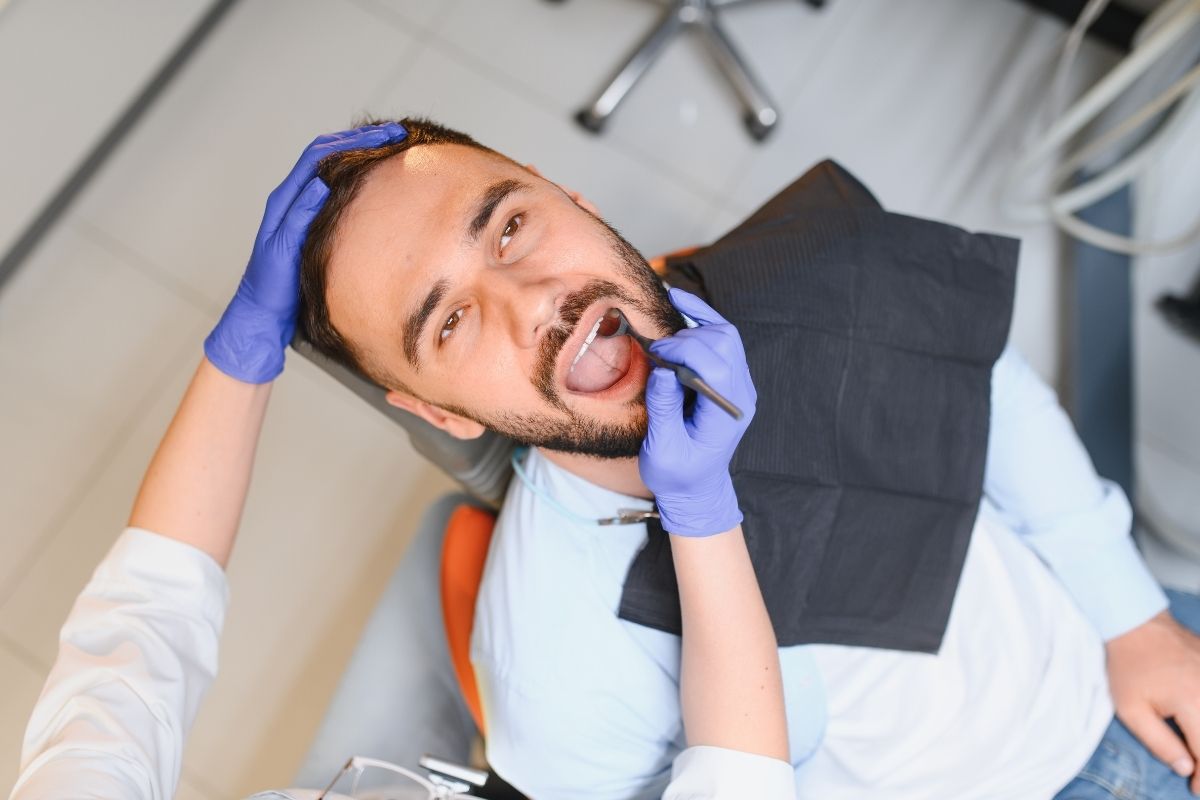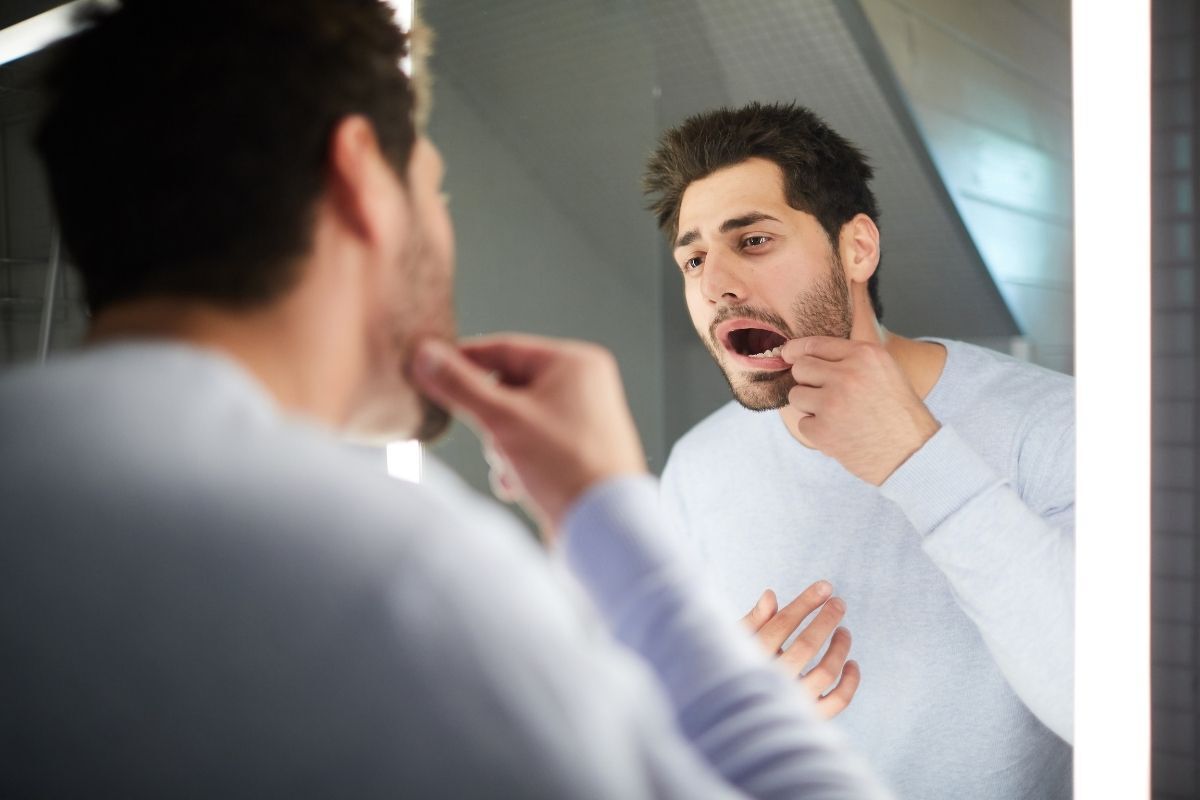

You brush twice a day. You floss (most nights). So why does your smile look a shade duller than it did a year ago?
For a lot of people, the answer is sitting in a mug, a bottle, or a tall glass with ice. Everyday drinks leave behind pigments and acids that build up quietly, sip after sip, until a photo makes you look twice. The frustrating part? None of it feels like damage while it’s happening.
That’s exactly why we put this guide together. As a trusted dentist’s office, we see this pattern constantly, and we’d rather you hear it from a dental professional now than discover it in the mirror later. Whether you end up visiting our welcoming team in Midland or simply want honest answers first, here’s what your favorite drinks are really doing to your teeth, and the small habit that matters more than the drink itself.
Which Drinks Stain Teeth the Most?
The drinks that stain teeth most are coffee, black tea, red wine, cola, and other dark sodas, along with berry juices, sports drinks, and some herbal teas. They pair strong pigments called chromogens with acids that roughen enamel, which makes it easier for color to cling to the tooth surface and settle in.
Here’s the everyday lineup, from the obvious to the sneaky:
- Coffee and black tea: rich in tannins, which help pigment bind to enamel.
- Red wine: dark pigments plus acid, a stubborn combination.
- Cola and dark sodas: the color is only part of it; phosphoric and citric acids soften enamel while sugar feeds decay-causing bacteria.
- Sports and energy drinks: often highly acidic, and the dyes add up.
- Berry and pomegranate juices: natural pigments that stain just as readily as artificial ones.
- “Healthy” sippers: lemon water, kombucha, and flavored sparkling water can be gentle on your waistline but harder on enamel than you’d expect.
Why Drinks Change the Color of Your Teeth
Enamel looks smooth and glassy, but under magnification it’s full of microscopic ridges and pores. That’s where color and acid do their quiet work.
Pigments Cling to the Tooth Surface
Within minutes of brushing, a thin protein film forms on your teeth. Chromogens and tannins stick to that film, and over weeks and months the layers deepen. Surface stain like this is the most common reason smiles look dingy, and it’s also the type most responsive to professional care.
Acid Opens the Door for Stain
Acidic drinks temporarily soften the outer layer of enamel. Softened enamel grabs color more easily, and it’s also more vulnerable to wear. Your saliva needs time to neutralize the acid and let minerals re-harden the surface, and that time is exactly what constant sipping takes away.
Staining and Enamel Erosion Are Not the Same Problem
Staining is a color issue. Enamel erosion is a structure issue: the gradual loss of the protective outer layer from repeated acid exposure. A drink can cause one, the other, or both, which is why a dental professional looks at more than shade when you ask about discoloration.
| Drink | Stain risk | Erosion risk | What to know |
|---|---|---|---|
| Coffee | High | Moderate | Tannins and dark pigments cling to enamel; milk helps a little, long sipping hurts. |
| Black tea | High | Moderate | Can stain as much as coffee; iced and sweetened versions add sugar exposure. |
| Red wine | High | High | Pigment plus acid; stain often shows first along the gumline. |
| Cola and dark soda | Moderate to high | High | Acid softens enamel; sugar raises decay risk; diet versions are still acidic. |
| Sports and energy drinks | Low to moderate | High | Acid and added sugar are the main concern; bright dyes can add tint. |
| Fruit and berry juice | Moderate to high | High | Natural pigments plus fruit acids; best with meals, not between them. |
| Flavored sparkling water | Low | Low to moderate | Citrus flavors are the more acidic ones; plain sparkling water is milder. |
| Plain water | None | None | The one drink that rinses, hydrates, and supports saliva flow. |
Relative risk varies by recipe, additives, and how you drink. Use it as a guide, not a verdict.
The Unexpected Habit: It’s How You Drink, Not Just What You Drink
Here’s the part most people don’t expect. Two people can drink the same amount of coffee in a day and end up with very different teeth. The difference is often time.
Picture a commuter who nurses one large coffee from the driveway to lunch. Her teeth sit in a mildly acidic, pigmented bath for hours. Now picture someone who finishes the same cup in twenty minutes at breakfast. Every sip restarts the acid challenge on enamel, so the slow sipper gives her saliva almost no chance to recover. Same drink, very different exposure.
| Did You Know? Teeth don’t only yellow from dark drinks. When acidic drinks wear away enamel, the layer underneath (dentin) shows through, and dentin is naturally yellower. So a smile can look discolored even when there’s no stain to polish off. That’s one reason a quick whitening kit isn’t always the right first step. |
What’s at Stake Beyond a Duller Smile
A slightly darker shade is the visible part. The less visible part is what repeated acid exposure does over the years.
Enamel Erosion and Sensitivity
Once enamel is lost, your body can’t grow it back. As it thins, teeth can start to feel sharp or zingy with cold water, hot coffee, or sweets, and the surfaces you chew with may look smoother, shinier, or slightly cupped.
A Higher Chance of Tooth Decay
Sugary drinks feed the bacteria that cause tooth decay, and acid weakens the surface those bacteria attack. Together they make cavities more likely, especially for people who sip sweetened drinks through the day.
Crowns, Veneers, and Fillings Don’t Whiten
Whitening only changes natural tooth structure. If you have dental crowns, veneers, or tooth-colored fillings, stain on the surrounding teeth can create a visible mismatch that bleaching won’t fix. In restorative dentistry, we often plan for exactly this, so it’s worth mentioning your restorations when you ask about shade.
Rough Surfaces, Plaque, and Gum Health
Stain itself isn’t gum disease, but the rough patches and tartar that hold stain can also trap plaque near the gumline. Over time that can irritate gums and make good oral hygiene harder to maintain. In more advanced erosion, worn chewing surfaces can also change how your teeth meet, which is one reason bite alignment is part of a thorough exam.
How a Dental Professional Can Help
The good news: most drink-related changes are very manageable when they’re caught early. A dental professional starts by figuring out what you’re actually dealing with (surface stain, erosion, or a mix), because the right fix depends on the cause.
Professional Cleanings Lift What Brushing Can’t
A professional dental cleaning removes tartar and polishes away surface stain that toothpaste can’t budge. For many coffee and tea drinkers, this alone brings back noticeable brightness.
Whitening, Done With a Plan
If the stain is deeper, professional teeth whitening can lighten natural teeth in a controlled way. Checking for sensitivity, existing restorations, and enamel thinning first helps keep the results comfortable and even.
Protecting and Rebuilding Worn Enamel
For early erosion, fluoride treatments and habit coaching can strengthen what’s left. When wear is more advanced, options like bonding or crowns can protect teeth and restore smile appearance. Patients on the other side of the region can get the same evaluation at our other welcoming location in Odessa, with the same patient-first approach.
Sip Smarter: Practical Habits That Protect Your Smile
You don’t have to give up coffee, tea, or the occasional glass of wine. A few small shifts make a surprisingly big difference.
- Drink it, don’t nurse it. Finish drinks within a reasonable window instead of sipping for hours.
- Use a straw for cold drinks. It reduces contact with the front teeth, though it doesn’t erase acid exposure.
- Rinse with water afterward. A quick swish clears pigment and helps bring mouth acidity back toward normal.
- Wait about 30 minutes before brushing after acidic drinks, so you don’t scrub softened enamel.
- Pair drinks with meals. Saliva flow is higher when you eat, which helps neutralize acid.
- Use fluoride toothpaste and a soft-bristled brush. Gentle and consistent beats aggressive.
- Chew sugar-free gum to stimulate saliva between meals.
- Keep up with routine exams. A regular general dentistry visit catches early erosion before you can see or feel it.
When It’s Time to Call a Dentist
Don’t wait for your teeth to hurt. Consider booking an exam if you notice any of these:
- New sensitivity to hot, cold, or sweet foods and drinks
- Edges of front teeth that look thin or slightly see-through
- Smooth, shiny, or cupped spots on chewing surfaces
- Yellowing that doesn’t improve with brushing or whitening toothpaste
- Visible stain around crowns, veneers, or fillings
Ready for a Clearer Picture of Your Smile?
Your favorite drinks don’t have to cost you your enamel. A short visit can show you exactly where you stand and what, if anything, needs attention. Schedule your visit online today!
Frequently Asked Questions About Drinks That Stain Teeth
1. What drinks stain teeth the most?
Coffee, black tea, red wine, cola, dark sodas, berry juices, and some sports drinks are the most common culprits. Pigments like tannins and chromogens attach to enamel, and acid can make that attachment easier.
2. Does coffee stain teeth more than tea?
Black tea can stain as much as coffee, and sometimes more, because of its tannin content. Both can leave pigment on the tooth surface. How long you sip and how often you drink them can matter as much as which one you choose.
3. Can years of coffee and tea stains be removed?
Surface stains often respond well to a professional dental cleaning and, when appropriate, professional teeth whitening. Stains that have penetrated deeper or discoloration caused by thinning enamel may require a different approach, which a dentist can determine during an exam.
4. Is sparkling water bad for your teeth?
Plain sparkling water is only mildly acidic and is generally much gentler on teeth than soda or juice. Citrus-flavored versions tend to be more acidic, so it is better to enjoy them with meals rather than sip them throughout the day.
5. Does using a straw prevent staining?
A straw can reduce how much a cold drink comes into contact with your front teeth, which may help limit staining. However, it does not eliminate acid or sugar exposure, so it works best when combined with habits such as rinsing with water.
6. Should I brush right after drinking coffee or soda?
It is usually better to rinse your mouth with water first and wait about 30 minutes before brushing. Acidic drinks can temporarily soften enamel, and brushing immediately afterward may contribute to enamel wear.
7. How can I tell enamel erosion from regular staining?
Staining is primarily a change in the color of the tooth surface. Enamel erosion may cause sensitivity, a smooth or glassy appearance, thinner-looking tooth edges, or small dents on chewing surfaces. An exam can help determine whether you have staining, erosion, or both.
8. How often should I see a dentist if I drink coffee or tea every day?
Many people benefit from routine dental exams and cleanings about every six months, but your dentist may recommend a different schedule based on your enamel, gums, oral health history, and risk factors. Regular visits can help identify staining, enamel erosion, and other concerns before they become more serious.