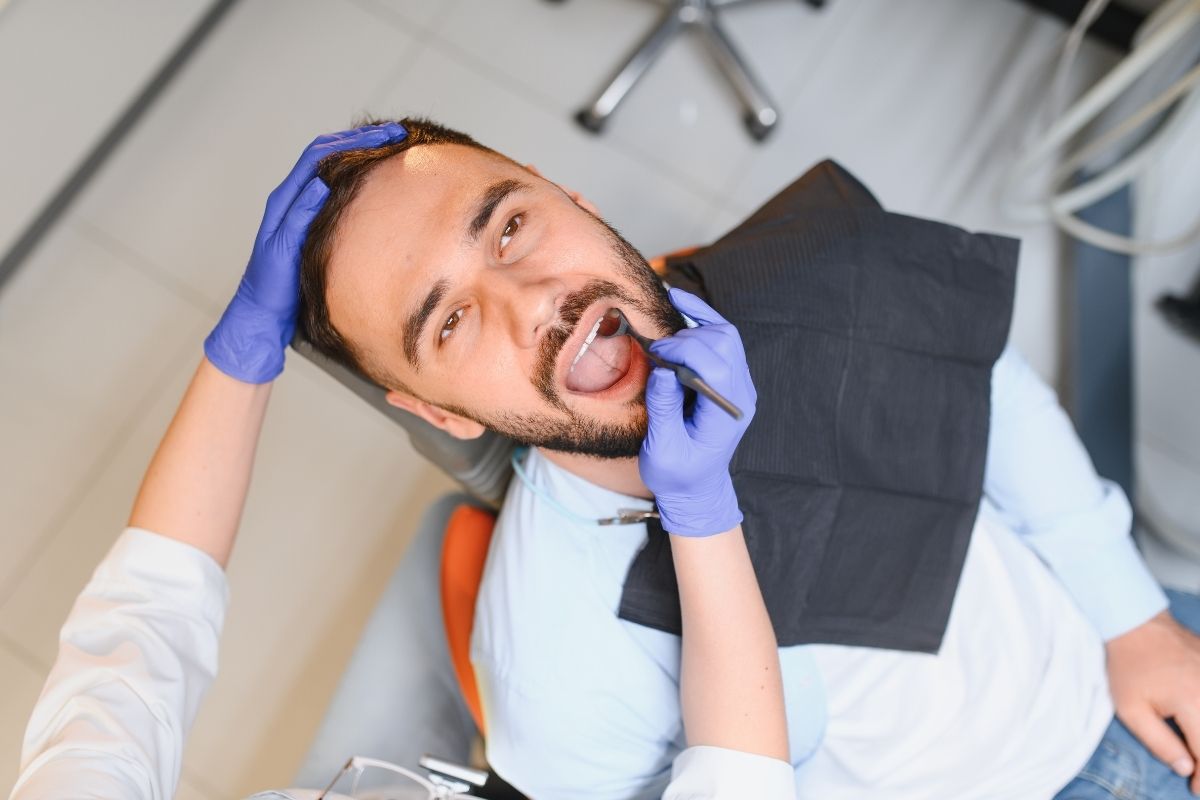
You brush every morning. You floss most nights. You’ve never had a cavity, at least not one you know about. So why did your last dental visit end with your dentist pointing to a small worn spot on your front tooth and saying the word “erosion”?
For a lot of people in Midland, the answer isn’t a lack of brushing. It’s what’s happening between brushings. Some of the most common foods damaging teeth aren’t candy or dessert at all. They’re the coffee you sip all morning, the citrus water you drink to “be healthy,” or the soda that seems harmless because it’s diet. None of it feels dangerous in the moment, which is exactly why the damage builds so quietly.
This isn’t about scaring you away from your favorite drink. It’s about understanding what’s really happening to your enamel every day, so you can catch small problems before they turn into bigger, more expensive ones.
The Foods Damaging Teeth More Than People Realize
It’s Not Just Candy Anymore
Most people picture cavities when they think about diet and teeth. But enamel erosion works differently. It isn’t caused by bacteria eating through a weak spot. It’s caused by acid, softening the outer layer of your tooth a tiny bit at a time, every time you eat or drink something acidic.
The Slow, Silent Kind of Damage
A glass of orange juice with breakfast. Iced tea at lunch. A glass of wine with dinner. On their own, none of these are a problem. Repeated daily, for years, they add up to enamel wear that often isn’t noticed until a tooth becomes sensitive to cold or starts to look a little more see-through at the edges.
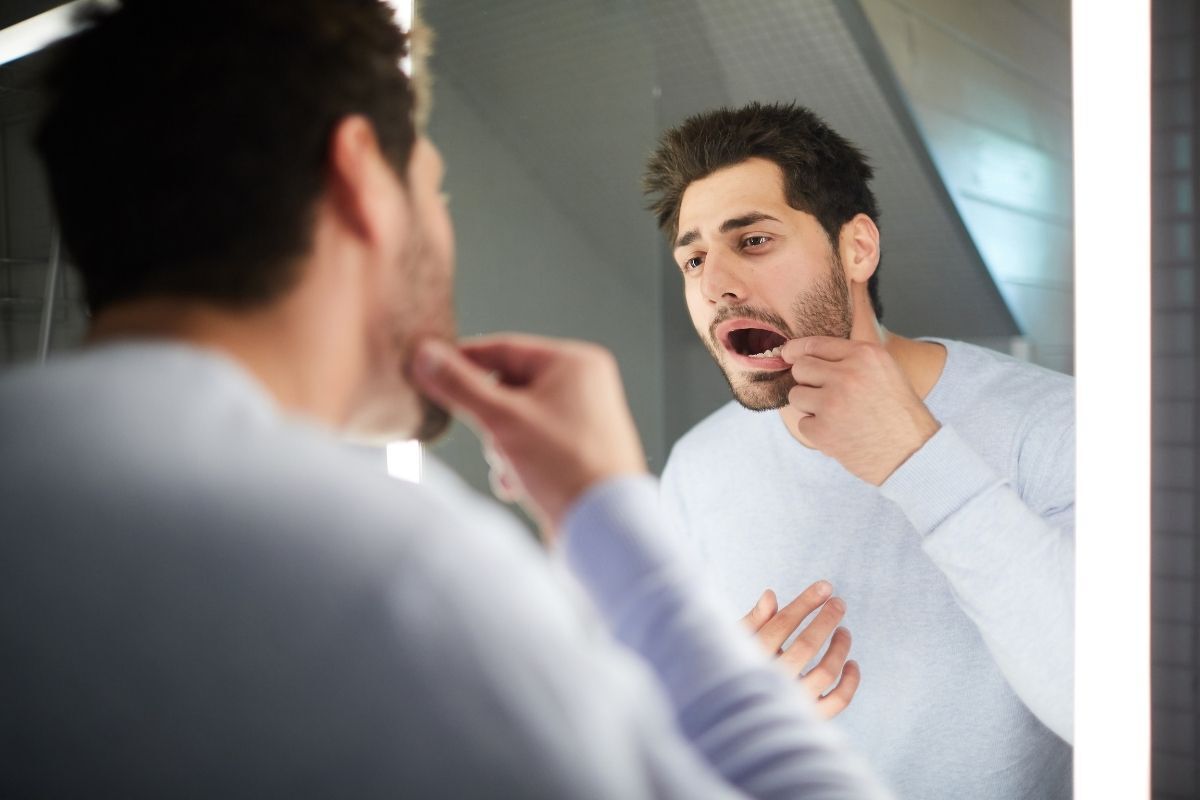
Small changes in your teeth can be easy to overlook, especially when they don’t hurt. A quick daily check can help you notice unusual sensitivity, discoloration, chips, or changes in your teeth before they become harder to ignore. Read “The 30-Second Morning Check: That Could Catch Dental Problems Before They Grow” for a simple way to spot potential warning signs early.
Why Enamel Damage Matters More Than You Think
Enamel Doesn’t Grow Back
Unlike skin or gum tissue, enamel cannot repair itself once it’s gone. Your body doesn’t produce new enamel, which means prevention is really the only tool available before more involved dental work becomes necessary.
Small Cracks Turn Into Bigger Problems
As enamel thins, teeth become more vulnerable to chips, cracks, and decay. What starts as mild sensitivity to a cold drink can eventually turn into a cracked tooth, a root canal, or the need for a dental crown, especially if the wear goes unaddressed for years.
The Real Risks Hiding in Your Daily Diet
A few daily habits tend to cause more enamel wear than people expect:
- Sipping acidic drinks slowly: Sipping soda, coffee, or citrus drinks over an hour does more damage than drinking the same amount quickly, because your teeth stay in contact with acid longer.
- Brushing immediately after acidic food: Brushing right after citrus or soda can actually spread the softened enamel instead of protecting it.
- Chewing on ice: This is one of the most common causes of small cracks and chips, especially in molars.
- Using teeth as tools: Opening packages or holding objects with your teeth puts unnecessary stress on already-weakened enamel.
- Snacking throughout the day: Constant grazing keeps your mouth in an acidic state for longer stretches than three regular meals would.
| Did You Know? Enamel is the hardest substance in the human body, harder than bone. But it’s not indestructible. Once acid softens it, that layer can wear away permanently, which is why prevention matters more than most people realize. |
How Acidic Are Your Everyday Foods and Drinks?
A quick reference for how common items compare, and how much risk they carry for enamel wear:
| Food or Drink | Approximate pH Level | Risk to Tooth Enamel |
|---|---|---|
| Soda (regular & diet) | 2.3 – 3.4 | High — sugar and acid combine to soften enamel fast |
| Citrus fruit (lemons, oranges) | 2.0 – 3.5 | High — direct acid contact wears enamel surface |
| Sports & energy drinks | 2.9 – 3.8 | High — frequent sipping extends acid exposure |
| Wine | 3.0 – 3.5 | Moderate to High — tannins plus acid stain and soften enamel |
| Coffee (black) | 4.9 – 5.1 | Moderate — mild acidity, staining over time |
| Plain water | 7.0 | Low — helps rinse acid and sugar away |
| Cheese & dairy | 6.0 – 6.8 | Low — can help neutralize acid in the mouth |
The Professional Solution: Protecting Enamel Before Damage Sets In
What a Dentist Can Actually Do
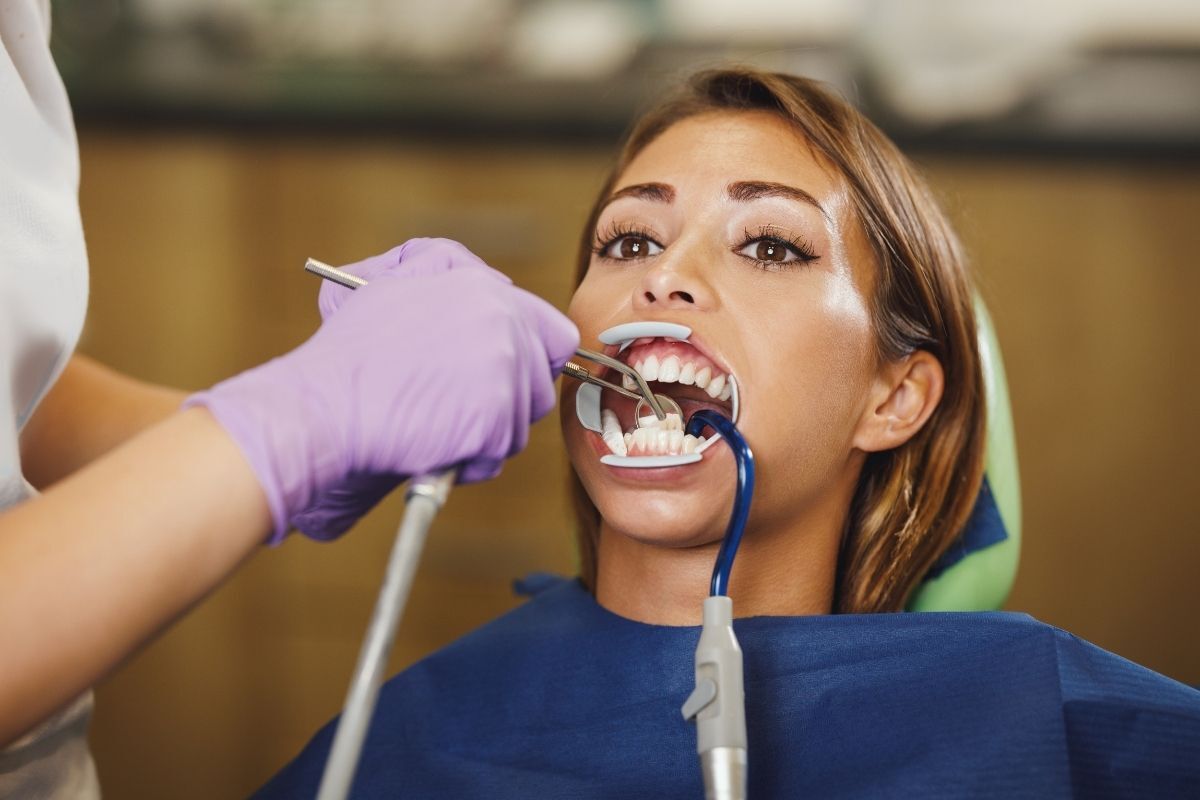
A dental exam can catch enamel wear long before it becomes noticeable to you. Depending on what’s found, a dentist may recommend a fluoride treatment to help strengthen weakened areas, a change in daily habits, or a custom mouthguard for anyone who grinds their teeth at night, which speeds up enamel loss significantly.
Enamel erosion isn’t the only dental concern that can become more complicated when it’s ignored. If you’re wondering which seemingly minor dental problems are most likely to become bigger issues, read “The Dental Problems Midland Adults Regret Ignoring Until It’s Too Late.”
Small Daily Habits That Make a Real Difference
- Rinse with water: After anything acidic, swish with plain water to help neutralize acid before it lingers on enamel.
- Wait before brushing: Give your mouth about 30 minutes after acidic food before brushing.
- Use a straw: For acidic drinks, a straw helps limit direct contact with your front teeth.
- Pair acidic foods with meals: Eating them alongside other food, rather than alone, reduces the time acid sits on teeth.
- Keep up with checkups: Routine visits catch enamel wear, bite alignment issues, and early tooth decay while they’re still manageable.
Trusted Preventive Dental Care in Midland, Texas
At Bliss Dental and Orthodontics in Midland, preventive care is treated as the foundation of a healthy smile, not an afterthought. Our team looks for early signs of enamel wear, bite alignment concerns, and gum health issues at every routine visit, so small problems don’t turn into bigger, more involved treatment down the road. Call us to get an appointment now!
⭐⭐⭐⭐⭐ Daniel Avila
Great service. Very attentive and excellent work. I had 2 molars removed and a root canal on a premolar all done in a few hours and that’s with me calling in the appointment a day prior. Doctor Michael was very professional and very good at his job. Very minimal to no pain during procedure.
| Not Sure If Your Enamel Has Already Been Affected? A quick checkup can catch wear early, before it turns into sensitivity, chips, or something more involved. Schedule Your Visit at Bliss Dental Midland Today! |
Frequently Asked Questions
1. Can food really damage your teeth without causing a cavity?
Yes. Acidic and sugary foods can soften and wear down enamel gradually, long before a cavity forms. This early enamel erosion often shows up as sensitivity or a dull, worn appearance before decay ever sets in.
2. What are the worst everyday foods for enamel?
Soda, citrus fruit, sports drinks, wine, and starchy snacks that stick to teeth are among the biggest everyday offenders. It’s less about eating them once and more about how often your teeth are exposed to the acid or sugar.
3. Is fruit bad for my teeth?
Whole fruit in moderation is part of a healthy diet, but citrus fruits and dried fruits are more acidic or sticky than others. Rinsing with water afterward helps limit prolonged acid contact with enamel.
4. How do I know if my enamel is already wearing down?
Common signs include tooth sensitivity to hot, cold, or sweet foods, a slightly transparent or yellowing edge on front teeth, and a smoother or shinier look to the tooth surface. A dental exam is the most reliable way to confirm it.
5. Does brushing right after eating acidic food help?
Not immediately. Brushing too soon after acidic food can actually spread softened enamel. It’s better to rinse with water first and wait about 30 minutes before brushing.
6. Can enamel damage be reversed?
Enamel does not regenerate on its own once it’s worn away. Early-stage weakening can sometimes be strengthened with fluoride, but visible erosion typically needs professional treatment to protect the tooth long-term.
7. Are diet or sugar-free sodas safer for teeth?
Not necessarily. Diet sodas remove the sugar but keep much of the acidity, which is what drives most of the enamel wear. Frequency and contact time matter more than the sugar content alone.
8. How often should Midland families have their enamel checked?
A routine dental exam every six months is generally enough to catch early enamel wear before it becomes a bigger issue, especially for anyone who drinks coffee, soda, or citrus beverages regularly.