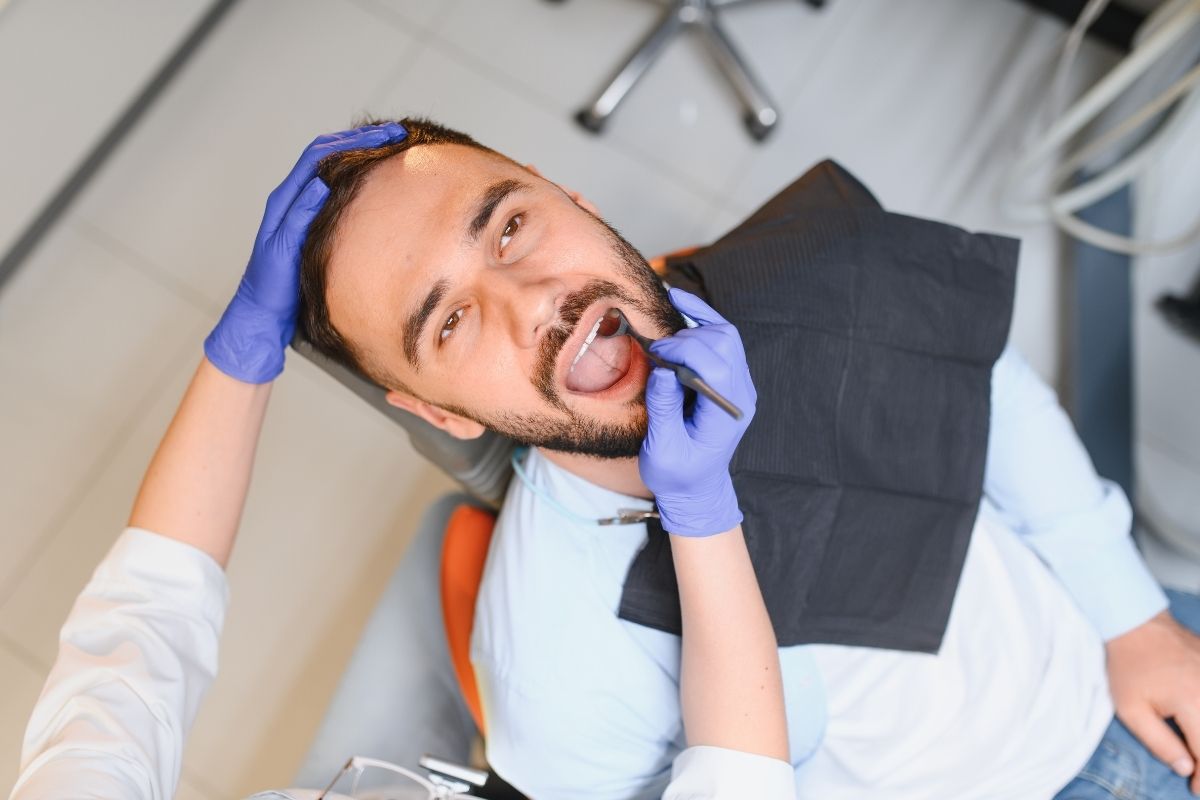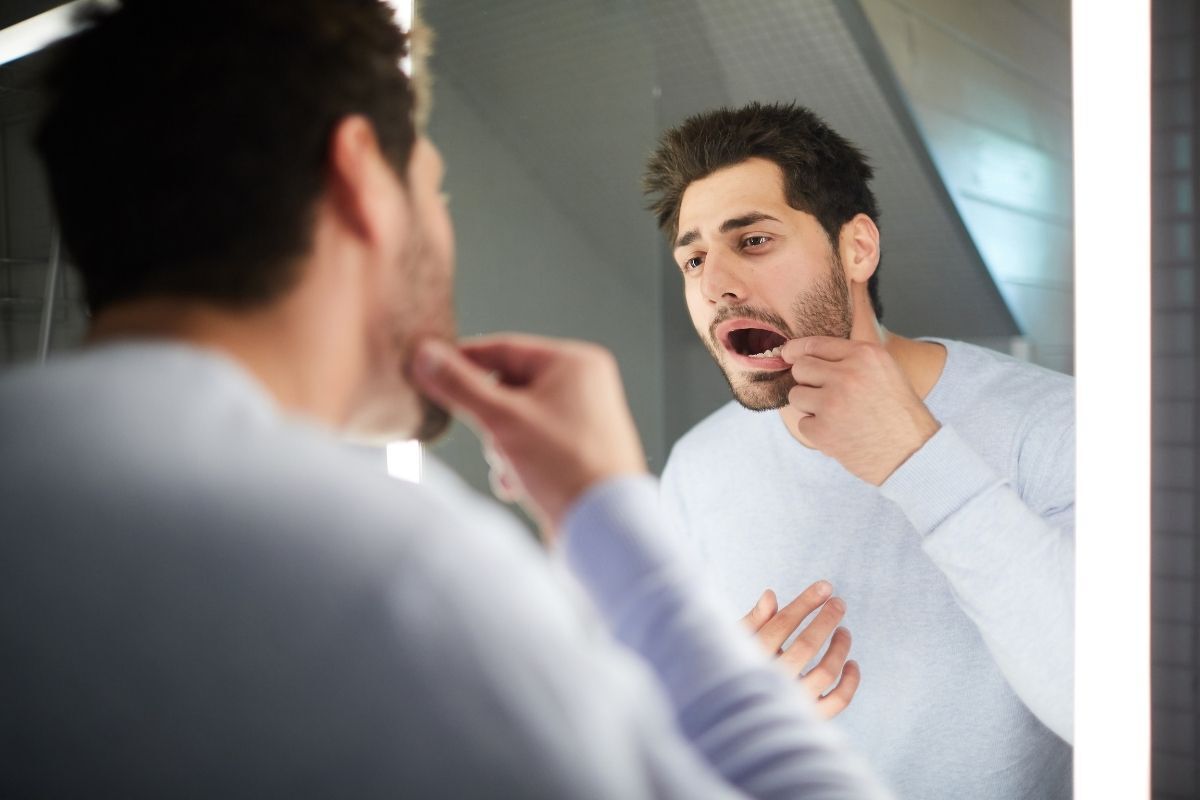

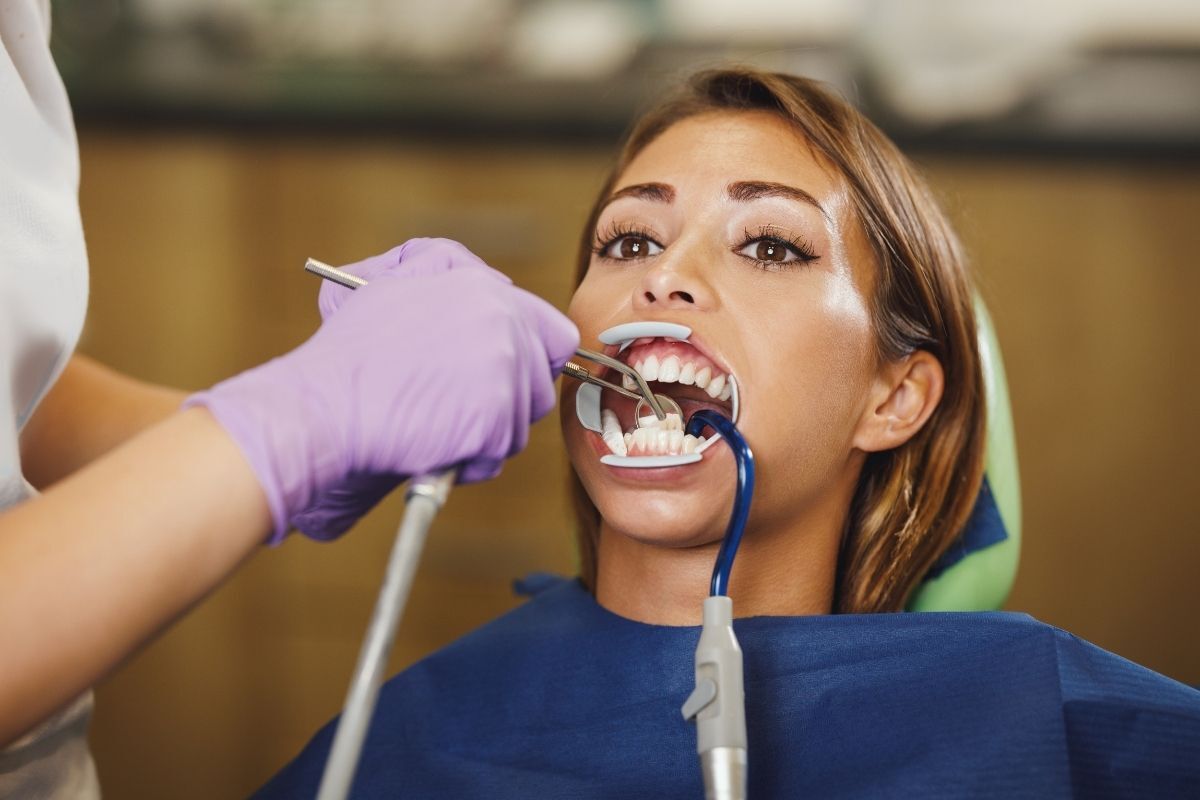
The Question That Can Change the Way You Think About Your Dental Visit
Most people walk into a dental appointment with one goal: find out whether anything is wrong.
But there is another question that may be even more useful.
“If you were in my position, what would you want to know or watch for right now?”
It sounds simple. Yet this is one of the most valuable questions to ask a dentist because it shifts the conversation from treating today’s obvious problem to protecting your oral health over time.
A tooth can look fine and still have early decay. Your gums may not hurt even when inflammation is developing. Your bite can gradually change without you noticing. Even small changes in enamel, tooth wear, or the way your teeth meet can become more important later.
For patients in Odessa and surrounding West Texas communities, knowing what to ask during a routine dental visit can make dental care more proactive—and potentially help you address concerns before they become disruptive.
Why Patients Often Leave the Dentist With Unanswered Questions
Dental appointments can move quickly.
You have an exam. Maybe you get X-rays. Your teeth are cleaned. The dentist checks your gums, bite, fillings, crowns, and other areas of concern.
Then comes the familiar question:
“Do you have any questions?”
And suddenly, your mind goes blank.
Many patients only think of questions after they leave the office.
That is why preparing a few questions to ask your dentist before your appointment can make such a difference.
Instead of simply asking, “Do I have cavities?” consider asking what your dentist sees that could become a problem later.
A better question to bring with you
“Is there anything you see today that I should address, monitor, or change before it becomes a bigger problem?”
This opens the door to a much more useful conversation.
Your dentist can explain what is happening now, what may need attention later, and what you can do at home to protect your teeth and gums.
What Can a Dentist Notice Before You Notice It?
One reason routine dental visits matter is that dental professionals are trained to look for changes that may be easy to overlook at home.
Here are some examples:
- Early tooth decay
- Gum inflammation or signs of gum disease
- Enamel wear
- Tooth grinding or clenching
- Changes in bite alignment
- Cracks or weakened tooth structure
- Problems around older fillings or dental crowns
- Plaque buildup in difficult-to-clean areas
- Changes associated with oral hygiene habits
- Missing or damaged teeth affecting chewing
- Changes in the appearance of your smile
Some of these conditions can develop gradually.
You may not feel anything unusual while they are beginning.
That is exactly why prevention matters.
Questions to Ask Your Dentist About Your Oral Health
If you are unsure what to discuss during your next appointment, use these questions as a starting point.
1. “What is the biggest thing I should watch right now?”
This encourages your dentist to prioritize what matters most.
You may have several minor findings, but not every finding carries the same level of concern.
Ask your dentist which issue deserves your attention first and why.
2. “Do you see any early signs of tooth decay?”
Early tooth decay does not always cause the dramatic symptoms people associate with dental problems.
Your dentist may use an examination and, when appropriate, dental X-rays to look for areas that are difficult to see directly.
Understanding whether you have areas of concern can help you improve your oral hygiene before decay progresses.
3. “Are my gums healthy?”
Don’t wait for bleeding or discomfort before asking.
Your dentist can evaluate your gums for signs of inflammation and other changes associated with periodontal health.
If something needs attention, ask:
“What can I do differently at home?”
That turns a diagnosis into an actionable dental visit tip.
4. “Is my bite changing?”
Your bite is more than whether your teeth look straight.
The way your upper and lower teeth meet affects chewing and can be influenced by tooth movement, wear, missing teeth, restorations, and other factors.
If you have noticed that your teeth meet differently, one side feels stronger when chewing, or your jaw feels different, mention it.
5. “Am I wearing down my teeth?”
Tooth wear can happen slowly.
Grinding or clenching, acidic foods and drinks, aggressive brushing, and other factors can contribute to enamel loss or tooth surface changes.
Ask your dentist whether they see signs of unusual wear.
If they do, ask what may be causing it and how you can reduce further damage.
6. “Is there anything about my daily routine you would change?”
This may be one of the most useful questions of all.
Your dentist can help you identify whether your brushing technique, flossing habits, diet, nighttime grinding, mouthguard use, or other routines could be affecting your oral health.
Sometimes a small daily adjustment matters more than adding another product to your bathroom shelf.
Dental Visit Tips: How to Get More From Your Appointment
A productive dental appointment does not begin when you sit in the dental chair.
It begins before you arrive.
Before your appointment
Make a short list of:
- Changes you’ve noticed in your teeth or gums
- Areas that bleed when brushing or flossing
- Changes in your bite
- Teeth that feel sensitive
- Any recent dental treatment
- Medications or medical changes your dental team should know about
- Questions you want answered
You do not need a long checklist.
Even three questions written in your phone can prevent you from forgetting something important.
During the appointment
Don’t be afraid to ask:
“Can you show me what you’re seeing?”
If your dentist points out an area on an X-ray or inside your mouth, seeing the location can make the explanation easier to understand.
Also ask:
“What happens if we monitor this?”
and
“What would make you recommend treatment?”
These questions help you understand the difference between something that needs attention today and something that can reasonably be monitored.
What Should You Treat Now—and What Can You Monitor?
Not every dental finding requires immediate treatment.
That is an important distinction.
Your dentist may recommend treatment because a problem is likely to worsen, while another finding may simply need observation and regular monitoring.
| Dental finding | Why it may matter | What to ask |
| Early decay | May progress over time | “Can we reverse or monitor it?” |
| Gum inflammation | Can affect periodontal health | “What should I change at home?” |
| Worn enamel | May indicate ongoing wear | “What could be causing this?” |
| Small crack | May weaken tooth structure | “Is it stable or getting worse?” |
| Bite change | Can affect function | “What might be causing the change?” |
| Damaged restoration | May affect the tooth underneath | “How long can it reasonably last?” |
| Missing tooth | Can affect chewing and surrounding teeth | “What are my options?” |
The goal is not to treat everything immediately.
The goal is to understand what matters, why it matters, and what happens next.
⭐⭐⭐⭐⭐ mccollumsalli
Great dentist he was very nice and listened to my concerns made it more comfortable for me
The Question Most Patients Should Ask Before Saying Goodbye
If you remember only one question from this article, make it this:
“What should I be watching for before my next visit?”
This question gives you a roadmap.
Your dentist may tell you to monitor a specific area, improve a particular oral hygiene habit, watch for changes in your bite, or return sooner if you notice certain symptoms.
That information can be surprisingly valuable because it turns a routine dental appointment into an ongoing prevention plan.
Why Waiting for Pain Isn’t a Good Dental Strategy
Pain is one of the most obvious reasons people seek dental care.
But absence of pain does not necessarily mean everything is healthy.
Tooth decay, gum disease, enamel wear, and other oral conditions may develop without causing noticeable discomfort in their early stages.
That does not mean every painless dental finding is dangerous.
It means pain should not be your only signal for deciding when to see a dentist.
Regular examinations give your dental team an opportunity to compare changes over time and identify concerns that may otherwise be easy to miss.
If you’ve ever felt rushed during appointments, left with unanswered questions, or struggled to communicate with your dental team, it may be worth evaluating whether your current practice is the right long-term fit. Our guide, “7 Signs It’s Time to Switch Dentists in Odessa,” explains the common signs that many patients overlook when choosing a dental home and what to look for instead.
Before Your Next Dental Visit, Write Down These 7 Questions
Save these on your phone:
- What is the biggest thing I should watch right now?
- Do you see any early signs of tooth decay?
- Are my gums healthy?
- Is my bite changing?
- Am I wearing down my teeth?
- Is there anything about my daily routine you would change?
- What should I be watching for before my next visit?
These questions can help you move beyond simply asking whether your teeth are “okay.”
They help you understand how to keep them that way.
When Should You Schedule a Dental Visit?
If it has been a while since your last examination—or you have noticed a change in your teeth, gums, bite, or smile—consider scheduling an appointment rather than waiting for the problem to become disruptive.
Bliss Dental & Orthodontics in Odessa provides general dentistry focused on preventive care, early detection, and long-term oral health. The office is located at 2260 Linda Ave #103, Odessa, TX 79763 and welcomes new patients. Call us to schedule your visit now!
Have a dental question you’ve been putting off?
Bring it to your next visit.
Whether you’re due for a routine examination, want to understand a change you’ve noticed, or simply want to know what you should be watching for, an in-person dental evaluation can give you answers based on your individual oral health.
Schedule a visit with Bliss Dental & Orthodontics in Odessa and bring your questions with you.
Recently moved to Odessa?
If you’re still looking for a dental office where you feel comfortable asking questions and building a long-term relationship, read “New to Odessa, Texas? Here’s How Locals Actually Find a Dentist They Trust.“ It shares practical tips that many West Texas families use when choosing a new dentist.
Frequently Asked Questions
1. What questions should I ask my dentist at a routine visit?
Ask what your dentist sees that you should monitor, whether your teeth and gums show early signs of problems, whether your bite is changing, whether you are wearing down your enamel, and what you can improve in your daily oral hygiene routine.
2. What should I ask my dentist if nothing hurts?
Ask whether your teeth, gums, bite, and existing dental work appear healthy and whether there are any early changes you should monitor. A lack of pain does not necessarily mean there are no dental concerns.
3. How can I get more out of my dental appointment?
Write down your concerns before the appointment, mention changes you’ve noticed, and ask your dentist to explain what they see, what needs attention, and what can be monitored. Asking follow-up questions can make your visit more useful.
4. Should I ask my dentist if my bite has changed?
Yes. If your teeth meet differently, chewing feels uneven, or you notice changes in how your jaw feels, mention it. Your dentist can examine your bite and determine whether the change is related to tooth movement, wear, missing teeth, restorations, or another factor.
5. Can a dentist find problems before I have symptoms?
Yes. Routine dental examinations can identify early changes such as tooth decay, gum inflammation, enamel wear, cracks, and other concerns that may not cause noticeable symptoms at first.
6. What should I ask my dentist about gum health?
Ask whether your gums show signs of inflammation or periodontal disease and whether your brushing and flossing routine is effective. You can also ask what areas of your mouth need extra attention.
7. What should I watch for between dental appointments?
Watch for changes such as persistent sensitivity, bleeding gums, swelling, tooth mobility, changes in your bite, visible cracks, damaged restorations, or changes that do not go away. Contact your dentist if you notice something concerning.
8. How often should I visit the dentist?
Many people benefit from routine dental visits about every six months, but the ideal schedule depends on your oral health, risk factors, history, and individual needs. Your dentist can recommend an appropriate recall interval for you.