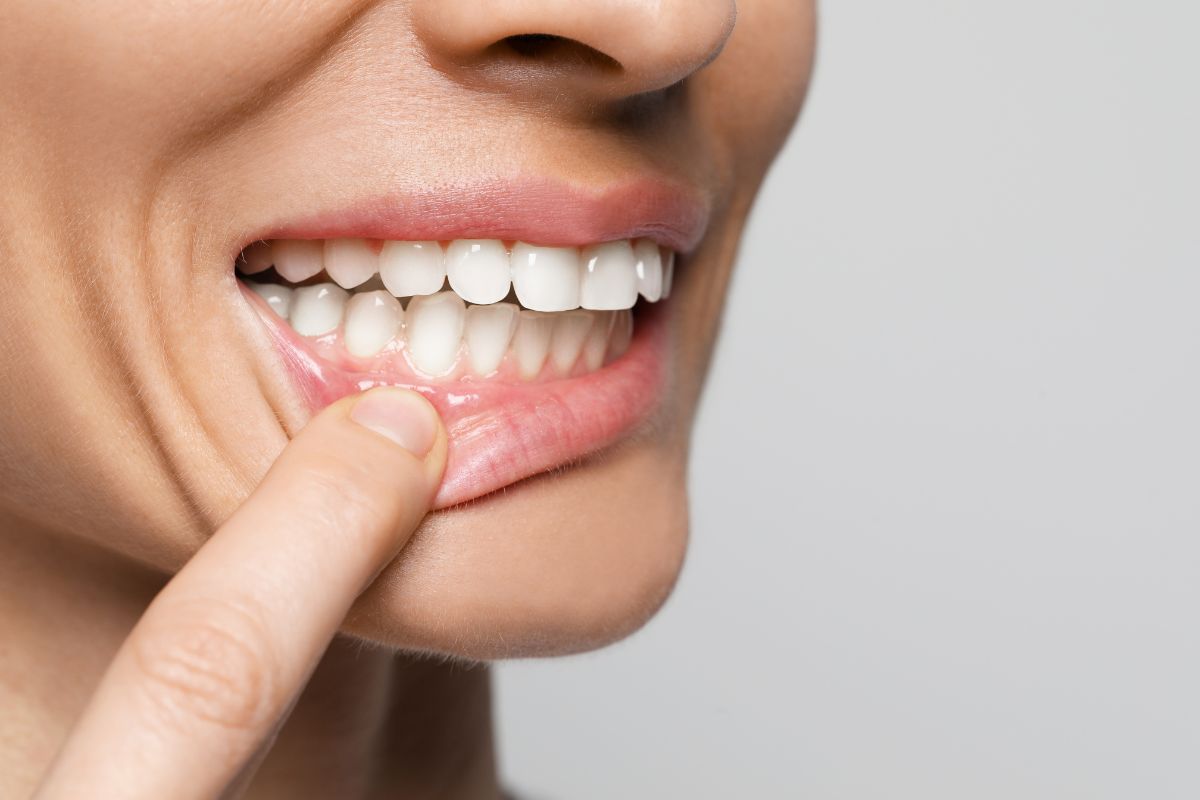
You spot it in the bathroom mirror on a bright morning: a chalky white patch on a tooth that wasn’t there last month. Maybe it sits near the gumline. Maybe it’s a ghostly outline where a bracket used to be. And if you’ve ever searched for white spots on teeth enamel damage, you already know the question underneath: is this just a cosmetic quirk, or is something wearing through the surface of my tooth?
Here is the honest answer a trusted dental professional would give you: it depends on why the spot formed. Some white spots are harmless. Others are the earliest visible sign that enamel has lost minerals and is becoming more vulnerable to tooth decay. The encouraging part is that the early stage is often the easiest one to manage, and a short exam from a dentist can tell the two apart. If you’d like a second set of eyes, our Odessa team is always glad to take a look.
| The Short Answer White spots on teeth can be early enamel demineralization, a developmental change such as fluorosis, mild enamel hypoplasia, or leftover marks from braces. Many are only a cosmetic concern, but some mean enamel has weakened and is more prone to cavities. A dental exam is the reliable way to tell which one you have. |
White Spots on Teeth and Enamel Damage: What’s Really Going On?
Why Enamel Turns Chalky White
Enamel is the hard, mineral-rich outer shell of each tooth. In a healthy tooth it’s slightly translucent, which lets the warmer tone of the layer underneath show through and gives teeth that glossy, natural look. When enamel loses minerals, or forms with a different structure to begin with, its surface becomes microscopically porous. Light scatters instead of passing through, a bit like the difference between clear glass and frosted glass. That’s why the area reads as opaque and chalky.
A white spot is a structural change in the enamel itself, not a surface stain. That’s an important distinction, because stains are pigment sitting on or in the tooth, while white spots tell you something about how the enamel was built or what it has been through.
Common Causes of White Spots on Teeth
There isn’t one single cause, which is exactly why guessing at home can be misleading. These are the ones dental teams see most often.
Enamel Demineralization From Plaque Acids
Bacteria in plaque feed on sugars and starches and release acids. Those acids pull calcium and phosphate out of the enamel. When this happens again and again in the same spot, a dull, chalky patch called a white spot lesion appears. Enamel demineralization is frequently the first visible stage of tooth decay, before any actual hole forms, and it often shows up near the gumline or between teeth where brushing is easiest to miss.
White Spots After Braces
Brackets, wires, and bands create sheltered corners where plaque collects. If those areas aren’t cleaned thoroughly every day, the enamel underneath can demineralize, and when the braces come off the pattern is obvious: pale squares or rings where the hardware sat. Sugary or acidic drinks and inconsistent oral hygiene raise the odds. Clear aligners aren’t immune, either, since sipping anything other than water with trays in can hold sugar against the teeth.
Dental Fluorosis
Fluorosis happens when a child gets more fluoride than needed while permanent teeth are still forming under the gums. It typically appears as faint, lacy white streaks or flecks, often on several teeth in a fairly symmetrical pattern. Mild fluorosis is a cosmetic matter, and it is a developmental effect. It isn’t caused by brushing with fluoride toothpaste as an adult.
Enamel Hypoplasia
In enamel hypoplasia, enamel doesn’t form completely. Fevers, illness, nutritional problems, certain medications, or an injury to a baby tooth can disrupt enamel development. The result can be white, yellow, or brownish patches, sometimes with a rougher feel. Because the enamel in that spot may be thinner, it can be more sensitive and more prone to decay.
Temporary Dehydration Marks
Not every pale patch is permanent. Teeth can look temporarily blotchy after whitening, or after the mouth has stayed open for a while during a procedure or while sleeping with the mouth open. These marks usually fade within hours to a couple of days as the teeth rehydrate. If a spot is still there after that, it’s worth a closer look.
⭐⭐⭐⭐⭐ Julia Navarrete | Bliss Dental & Orthodontics – Odessa
The front staff, back and doctor were nice and explained well to me.
Also, great environment.
White Spots on Teeth at a Glance
| Type | What it looks like | Common cause | Enamel weakened? | Usual next step |
|---|---|---|---|---|
| Early demineralization | Dull, chalky patch, often near the gumline or between teeth | Plaque acids plus frequent sugar or acid exposure | Yes, at an early stage | Dental exam, fluoride support, stronger home care |
| After braces | Chalky outline where a bracket sat | Plaque left around brackets and wires | Often yes | Exam, remineralization support, cosmetic options if desired |
| Fluorosis | Faint lacy streaks or flecks on several teeth | Excess fluoride while teeth formed | Usually cosmetic when mild | Monitor; cosmetic options if desired |
| Hypoplasia | White, yellow, or brown patch; may feel rough | Enamel formation was disrupted | Sometimes thinner enamel | Exam; protect or restore the area |
| Temporary dehydration | Patchy white that fades | Whitening, or teeth drying out | No | Wait a day or two; recheck if it stays |
| Did You Know? Enamel contains no living cells, so it can’t regrow the way skin or bone can. But in the very earliest stage of mineral loss, enamel can sometimes re-harden through a process called remineralization when plaque is kept under control and fluoride is available. That small window is the main reason catching a white spot early matters. |
Cosmetic Concern or Enamel Issue? How to Tell the Difference
You can’t diagnose a white spot at home, but a few clues help you decide how soon to book a visit. Here is what to notice:
- Location. Spots hugging the gumline, sitting between teeth, or tracing where braces were point toward plaque-related demineralization.
- Pattern. Faint, fairly symmetrical streaks across several teeth suggest a developmental cause such as fluorosis. A single new patch is more likely local.
- Texture. A dull, chalky, or slightly rough spot can suggest active mineral loss, while a smooth, glossy one is often longstanding.
- Change. A spot that spreads, turns yellow or brown, or becomes sensitive to cold or sweets deserves a prompt exam.
- History. Recent braces, a dry mouth, constant sipping on sweet or acidic drinks, or childhood illness during tooth development all help narrow down the cause.
Here’s a pattern dental teams see all the time. A teenager’s braces come off, everyone expects a flawless smile, and instead there are pale squares across the front teeth. The family assumes it’s staining and tries whitening strips or an abrasive toothpaste. Often it’s early demineralization, and scrubbing or bleaching is the wrong tool for the job. A quick exam would have pointed them in the right direction, and the smile appearance they wanted much sooner.
Why It Matters: What Can Happen If a White Spot Is Ignored
Not every white spot becomes a problem. But when a spot is demineralization, leaving it alone can let it move from a reversible stage to one that needs dental work.
From Chalky Patch to Cavity
As mineral loss continues, the enamel surface can break down and form a cavity. Once decay reaches the softer layer underneath, it tends to spread faster, and a spot that might have been managed with fluoride and better oral hygiene now needs a filling.
Sensitivity and New Staining
Porous enamel is more likely to pick up pigment from coffee, tea, and red wine, so a white spot can slowly turn yellow or brown. Thinner or weakened enamel can also make teeth react to hot, cold, and sweet foods.
Bigger Restorative Work Later
When breakdown goes deeper, treatment can grow from a small filling to an inlay, onlay, or even a dental crown. That’s restorative dentistry doing exactly what it’s meant to do, but it’s a lot more involved than a preventive visit. The same plaque that causes spots near the gumline can also irritate the gums, so ignoring the problem can put gum disease on the table, too. And crowded or shifted teeth, a bite alignment issue, make thorough cleaning harder, which can make spots more likely in the first place. Overall oral health is connected, and white spots are one of the early signals worth listening to.
⭐⭐⭐⭐⭐ Randall Smith | Bliss Dental and Orthodontics – Midland
Great, kind, staff does a great job. Made me feel welcome and cared about. Dentist explained things to me clearly, and was professional.
How a Dental Professional Evaluates and Treats White Spots
What Happens at the Exam
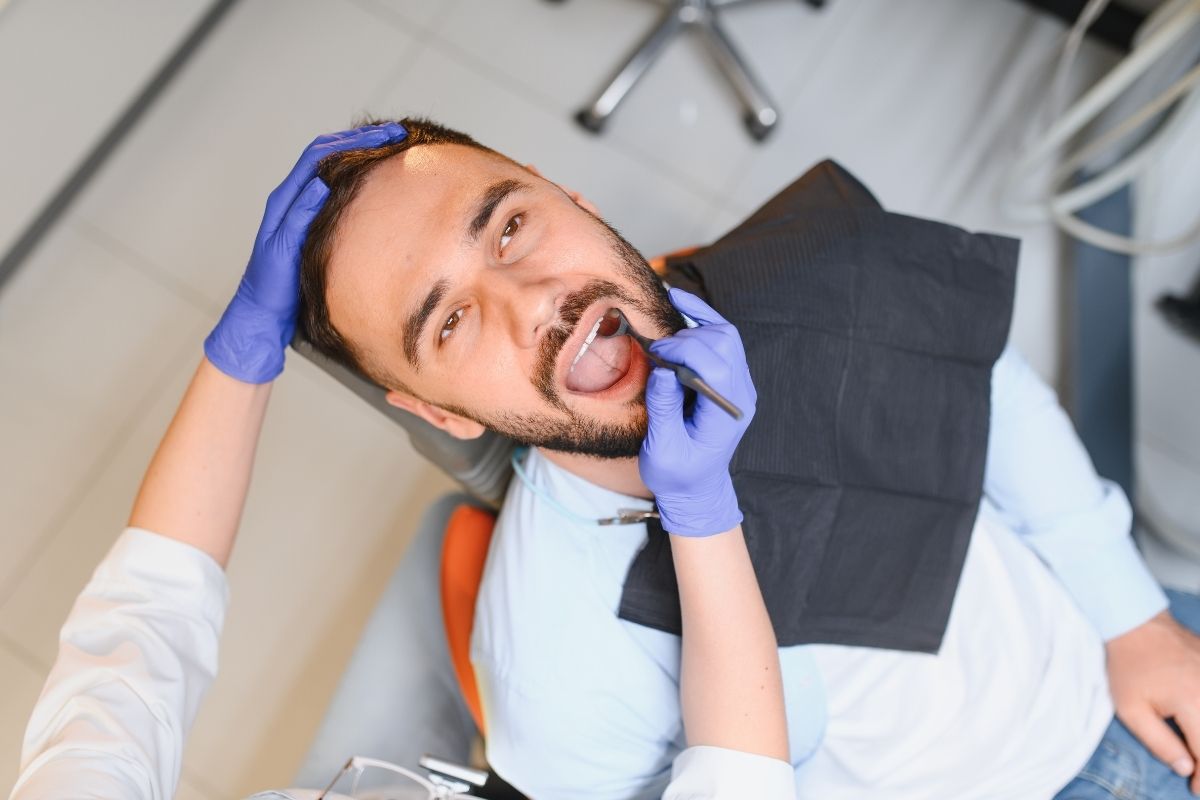
Your dentist will ask about your history, including braces, diet, fluoride exposure, dry mouth, and any childhood illnesses. Then they’ll examine the spot with the tooth dried and under good light, because drying makes demineralized enamel stand out. They’ll check its texture, look for any surface breakdown, and take X-rays when decay between teeth is a concern. This is often part of a regular routine dental care visit, so it rarely adds time to an appointment.
Treatment Depends on the Cause
There’s no single fix, because the right plan depends on what the spot is. Options your dentist may discuss include:
- Strengthening and remineralizing. Professional fluoride, prescription-strength fluoride toothpaste, and coaching on cleaning techniques can help early lesions harden and stabilize.
- Treating decay if it’s present. If the surface has broken down, a filling or other restoration protects the tooth from further damage.
- Improving appearance. Cosmetic bonding can blend a spot into the surrounding tooth color, and veneers may be considered when discoloration is widespread or deeper. Some practices also use techniques such as microabrasion or resin infiltration for suitable spots, and your dentist can tell you what fits your situation.
- A word on whitening. Whitening gels don’t remove white spots, and by lightening the surrounding enamel they can sometimes make spots look more obvious at first. That’s why it’s smart to have spots evaluated before starting a whitening routine, and why our guide on whether whitening toothpaste can damage teeth is a helpful companion read.
The right care is personal and depends on what an exam shows. If a different commute works better for you, patients can also be seen at our Midland office and receive the same careful evaluation.
Practical Steps You Can Take Right Now
While you’re waiting for an appointment, these habits protect the enamel you have and keep a small spot from becoming a bigger one:
- Brush for two minutes, twice a day, with fluoride toothpaste. Spend extra time along the gumline and around any brackets, retainers, or aligner attachments.
- Clean between your teeth every day. Floss or interdental brushes reach the spots bristles can’t, which is where many white spot lesions begin.
- Rinse with water after sugary or acidic drinks. Frequent sipping gives enamel less time to recover than a single drink with a meal.
- Don’t scrub the spot harder. Aggressive brushing and “hacks” such as baking soda, lemon, or charcoal can wear enamel and won’t remove a structural spot.
- Mention dry mouth or reflux. Both reduce the natural protection saliva provides, and your dentist can help address them.
- Take a dated close-up photo. Using the same lighting each time lets you and your dentist see whether a spot is changing.
| Not Sure What That Spot Means? Let’s Take a Look Together. A quick, pressure-free exam can tell you whether a white spot is simply cosmetic or worth treating now. Schedule a visit at a time that works for you. |
Frequently Asked Questions About White Spots on Teeth
1. Are white spots on teeth a sign of enamel damage?
Sometimes. White spots caused by plaque acids or braces usually mean enamel has lost minerals, which is an early form of damage. Spots from fluorosis are typically cosmetic. Because they can look similar, a dental exam is the only reliable way to know which type you have.
2. Can white spots on teeth go away?
Early demineralization spots can sometimes fade as enamel remineralizes with fluoride and better oral hygiene. Spots from fluorosis or hypoplasia formed during tooth development, so they won’t disappear on their own, though they can be made less noticeable with cosmetic treatment.
3. What causes white spots on teeth besides braces?
Common causes include plaque acids, frequent sugary or acidic drinks, dry mouth, acid reflux, excess fluoride during childhood (fluorosis), and enamel that didn’t form fully (hypoplasia). Temporary whitening or dehydration marks can also look like white spots for a day or two.
4. Why do I have white spots on my teeth after braces?
Brackets and wires trap plaque, and if those areas aren’t cleaned well, acids can pull minerals from the enamel around them. When the braces come off, the demineralized areas show up as chalky outlines. A dental check after braces can confirm what you’re seeing.
5. Do white spots on teeth mean I’m low on calcium?
Usually not. In adults, white spots are far more often tied to plaque acids or to how the enamel formed in childhood than to the calcium in your diet. Nutrition and illness during tooth development can play a role, so mention your history to your dentist.
6. Can whitening remove white spots on teeth?
No. Whitening lightens the natural tooth color, but it doesn’t rebuild enamel or erase a structural spot, and it can make contrast more noticeable at first. Have the spot evaluated before whitening, and avoid abrasive products, which can wear enamel.
7. How can I prevent white spots on my teeth?
Brush twice a day with fluoride toothpaste, clean between teeth daily, limit constant sipping on sweet or acidic drinks, and keep up with regular checkups. If you wear braces or aligners, take extra care around brackets and attachments.
8. When should I see a dentist about white spots on my teeth?
Book a visit if a spot is new, growing, rough, changing color, or sensitive, or if it appeared after braces. Even a stable spot is worth mentioning at your next checkup so your dentist can keep an eye on it.