
It Starts With One Small Gap
You lose a tooth, you get used to the gap, and life moves on. No pain, no obvious problem, so the decision to replace it quietly slides to the bottom of the list. That is the moment worth pausing on, because what feels like a minor cosmetic issue today is rarely just cosmetic five years from now.
Patients ask our Midland dental team about this scenario constantly: “It doesn’t hurt, so do I really need to do anything?” The honest answer is that the mouth does not stay still just because a tooth is gone — bone, gum tissue, and neighboring teeth all begin adjusting almost immediately, whether you notice it or not.
The Problem: A Gap Is Never Really “Just a Gap”
When a tooth is removed or lost, the jawbone in that area loses its job. Bone needs the pressure of biting and chewing to stay dense, and without a root to transmit that pressure, the body slowly resorbs it. At the same time, the teeth on either side of the space have nothing stopping them from tilting inward, and the opposing tooth above or below can begin to over-erupt into the open space.
None of this happens overnight, which is exactly why it is so easy to ignore. The changes are gradual enough that most patients only notice them once their bite feels different, a neighboring tooth starts to loosen, or they catch sight of a sunken area in the cheek where the jaw has thinned.
Why It Matters: What 5 Years of Waiting Actually Looks Like
Bone and Bite Changes
Over several years, bone loss in the area can become significant enough to change the shape of the jaw itself. The bite gradually shifts to compensate, which can lead to uneven wear on other teeth and, for some patients, jaw discomfort that did not exist before.
Tooth Movement and Decay Risk
As neighboring teeth drift toward the open space, they create tighter, harder-to-clean angles. That makes tooth decay and gum disease more likely around those teeth, turning a single missing tooth into a multi-tooth problem over time.
Smile Appearance and Confidence
Smile appearance changes more than most people expect. As bone shrinks, the face can take on a slightly sunken look near the jaw, and many patients describe feeling more self-conscious smiling or laughing in photos than they did right after losing the tooth.
Did You Know?
Studies on jawbone density consistently show that the fastest rate of bone loss happens within the first 12 months after a tooth is lost, with continued thinning every year after that. This is part of why dentists rarely recommend an open-ended “wait and see” approach.
The Risks of Doing Nothing vs. Your Options
Missing tooth complications rarely stay contained to one spot. A drifted tooth can throw off your whole bite alignment, which puts extra strain on your jaw joint and the teeth that are still healthy. Here is how doing nothing compares to the most common tooth replacement options patients consider.
| Option | Stops Bone Loss? | Typical Lifespan | Feels Like Natural Tooth? |
| Doing Nothing | No — bone loss begins almost immediately | N/A | No — gap widens, bite shifts over time |
| Dental Implant | Yes — stimulates bone like a natural root | 20+ years with care | Yes — fixed, chews and feels natural |
| Bridge | No — relies on neighboring teeth | 10–15 years on average | Close, but anchor teeth are altered |
| Partial Denture | No — sits on the gum, not the bone | 5–10 years on average | Removable, can feel bulky at first |
The Professional Solution: Why Dentists Recommend Addressing It Early
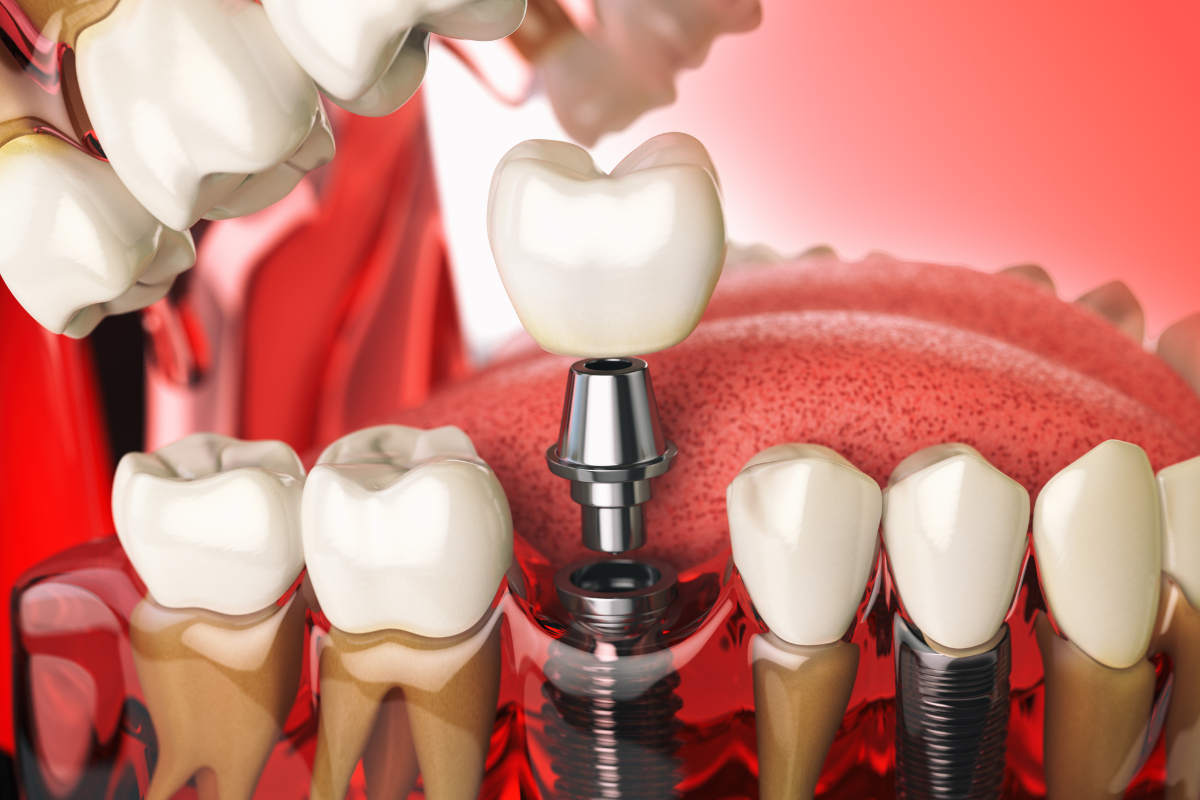
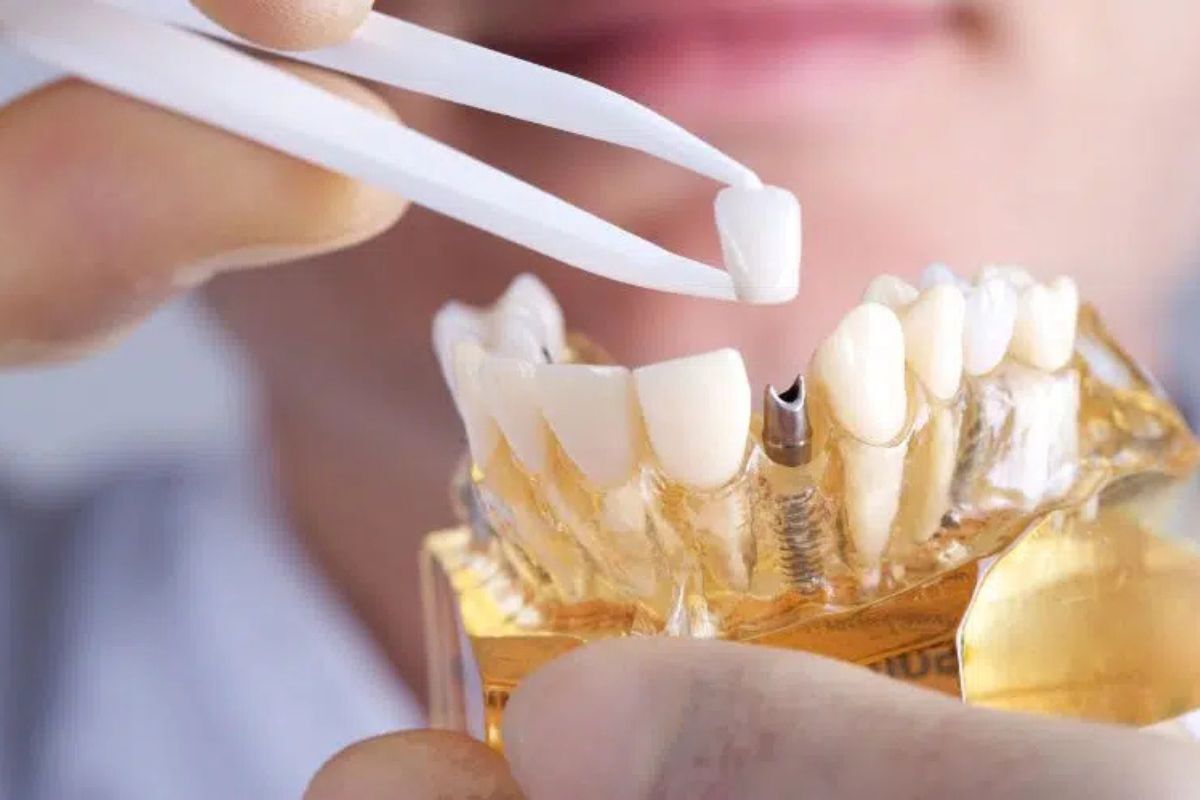
A single tooth implant works by replacing the root, not just the visible tooth. A titanium post is placed into the jawbone, where it fuses with the bone over several months, then a custom crown is attached on top. Because the post takes over the job the natural root used to do, it helps prevent the ongoing bone loss that comes with leaving a gap untreated.
This is also why dentists generally treat dental implant cost as an investment rather than an expense — a properly placed implant is designed to last decades, while bridges and partial dentures typically need replacement or adjustment well before that. For patients who are further along in bone loss, a short consultation can determine whether additional steps, like a bone graft, are needed before implant placement.
Still wondering whether an implant is actually the right solution? Not every damaged tooth needs to be replaced. If you’re unsure whether a dental crown can still save your tooth or if an implant may be the better long-term option, read our guide, “When a Crown Isn’t Enough: 7 Signs You May Need a Dental Implant,” to understand the warning signs dentists look for before recommending treatment.
If you are unsure where you stand, a quick visit to one of our West Texas offices for a bite and bone evaluation is usually all it takes to get a clear picture of your options, with no pressure to commit to anything that day.
Patient Trust & Experience
Every day, patients from Midland, Odessa, and surrounding West Texas communities trust our team for honest guidance, personalized treatment plans, and compassionate dental care. Patients who come in years after losing a tooth often share a similar story: they did not realize how much had quietly changed until it was pointed out during an exam.
⭐⭐⭐⭐⭐ Marina Ramirez (Bliss Dental and Orthodontics – Midland)
I had a great experience! The Dentist and Hygienist were great. I was in and out within an hour.
⭐⭐⭐⭐⭐ Brenda Elizondo (Bliss Dental and Orthodontics – Odessa)
Staff were extremely nice and explained everything to me also were very patient
Wondering what getting a dental implant actually involves? Knowing the treatment process can make the decision feel much less overwhelming. Our guide, “Dental Implant Process: A Step-by-Step Timeline,” explains every stage—from your initial consultation and implant placement to healing and receiving your final restoration—so you’ll know exactly what to expect.
Not Sure Which Option Fits Your Situation?
A short consultation can show you exactly where your bone and bite stand today, with zero obligation to move forward.
Call Now to Schedule Your Consultation!
Practical Next Steps If You Have a Missing Tooth
- Get a bite and bone evaluation — even if nothing hurts, an exam can show whether bone loss has already started.
- Ask about your specific tooth replacement options — implants, bridges, and partials all work differently depending on your case.
- Address gum disease or decay first — healthy gums and enamel around the site make any replacement option more predictable.
- Do not wait for pain as the signal to act — bone loss and tooth movement happen long before discomfort does.
- Bring up cost and timeline early — understanding the full picture upfront helps you plan rather than feel rushed later.
Frequently Asked Questions
What actually happens if I just don’t replace a missing tooth?
The jawbone beneath the gap starts to thin within months because it no longer receives the chewing pressure it needs to stay dense. Neighboring teeth can drift into the space, your bite can shift, and chewing on that side often becomes uneven or uncomfortable.
How fast does bone loss happen after a tooth is lost?
Most patients lose a noticeable percentage of bone width in the first year alone, and the loss continues gradually after that. This is one of the main reasons dentists encourage patients not to wait too long before deciding on a replacement option.
Is a dental implant better than a bridge?
Both are valid tooth replacement options, but they work differently. An implant replaces the root itself, which helps preserve bone, while a bridge relies on the teeth next to the gap for support and does not address bone loss underneath the missing tooth.
How much does a single tooth implant cost?
Dental implant cost varies based on the case, the materials used, and whether any bone grafting is needed first. A consultation and a personalized treatment plan is the most reliable way to get an accurate number for your situation.
Can I wait a few years before deciding?
You can, but waiting allows bone loss and shifting to continue, which can make future treatment more involved. Many patients find it easier, and often less costly long-term, to address the gap sooner rather than later.
Does a missing tooth affect more than just my smile appearance?
Yes. Beyond smile appearance, an empty space can change how you bite down, put extra strain on neighboring teeth, contribute to gum disease around the gap, and even affect speech depending on which tooth is missing.
Will a dental implant feel like a real tooth?
Most patients describe their implant as feeling and functioning very close to a natural tooth once healing is complete. It is fixed in place, so there is no shifting or removing it the way you would with a partial denture.
How do I know which tooth replacement option is right for me?
The right option depends on your bone health, oral hygiene habits, budget, and how long the tooth has been missing. A dental exam and a conversation about your goals are the best starting point before committing to any treatment.