
Losing a tooth used to feel like something people simply had to “live with.”
Today, more adults are rethinking that idea.
Whether the issue started with tooth decay, gum disease, injury, or years of dental wear, many patients are now looking for long-term missing teeth solutions that feel stable, natural, and easier to maintain. That shift is one reason dental implants Texas patients are exploring continue to gain attention in 2026.
At Bliss Dental & Orthodontics, patients visiting the team through the Midland location page often ask the same question:
“Are implants really worth it compared to other options?”
For many adults, the answer comes down to comfort, confidence, and protecting long-term oral health.
What Are Dental Implants?
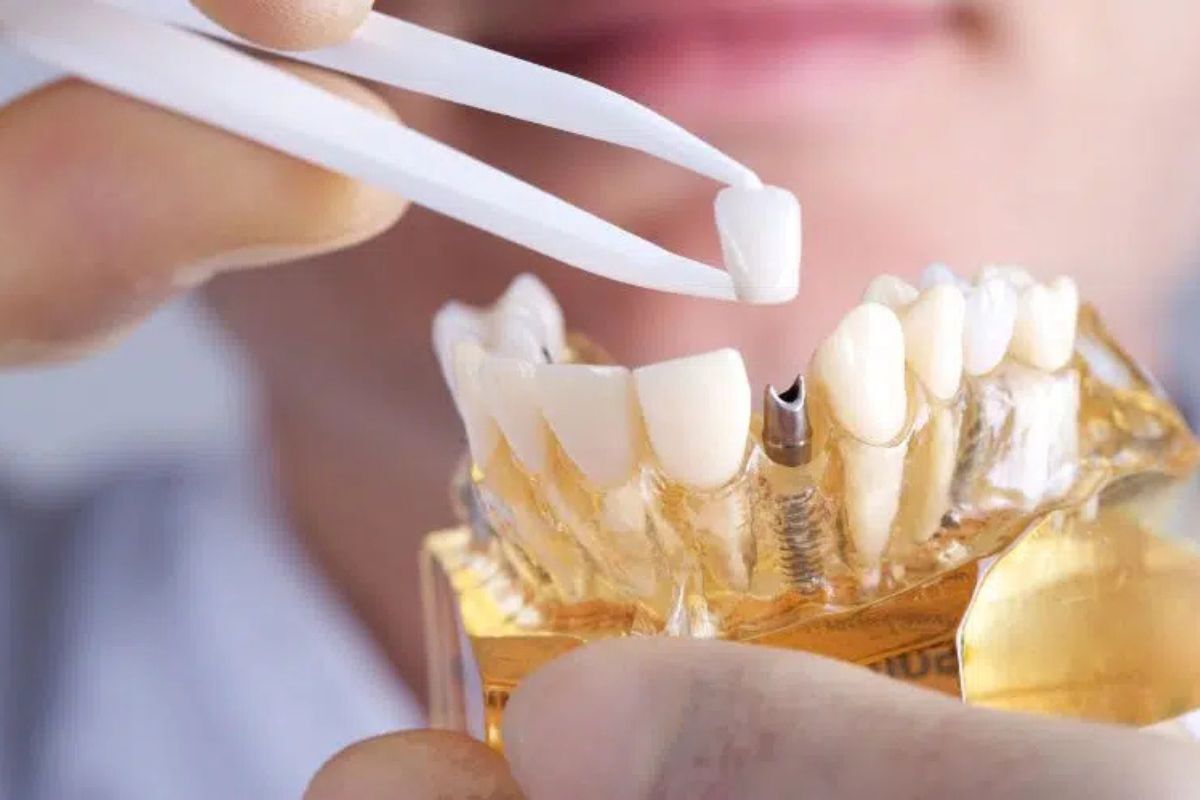
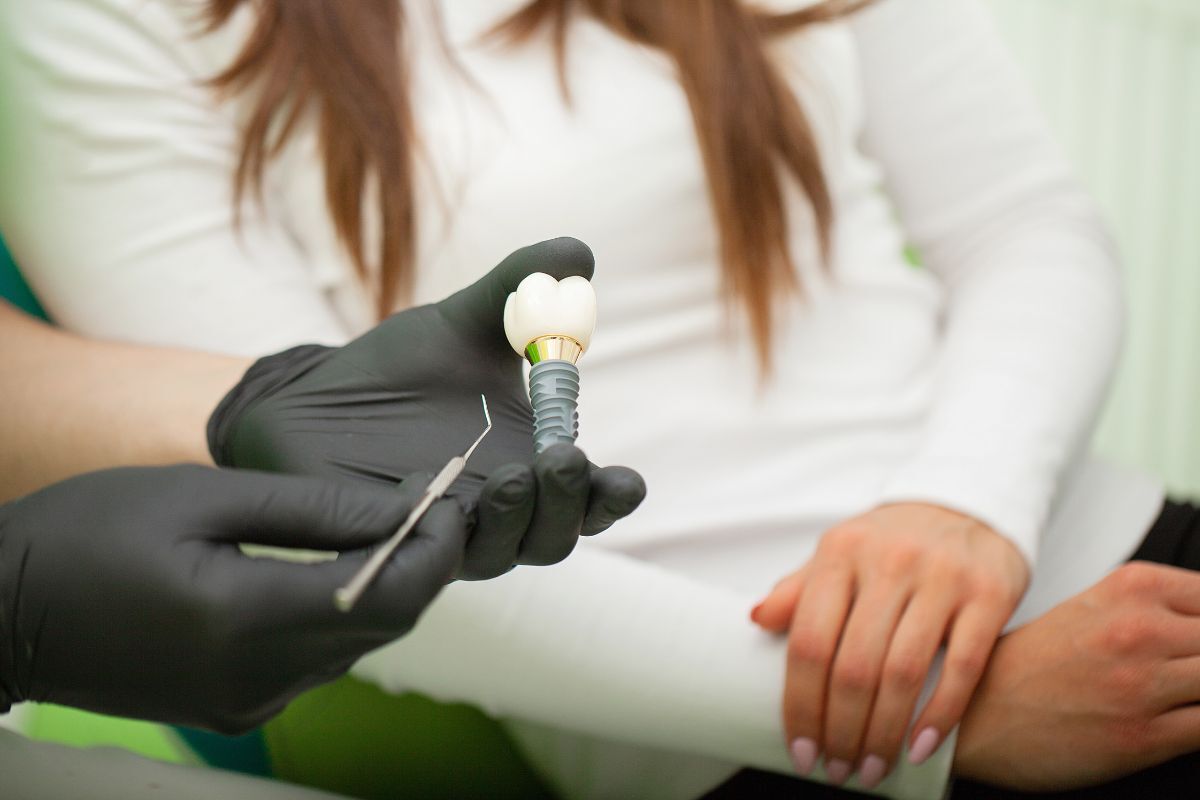
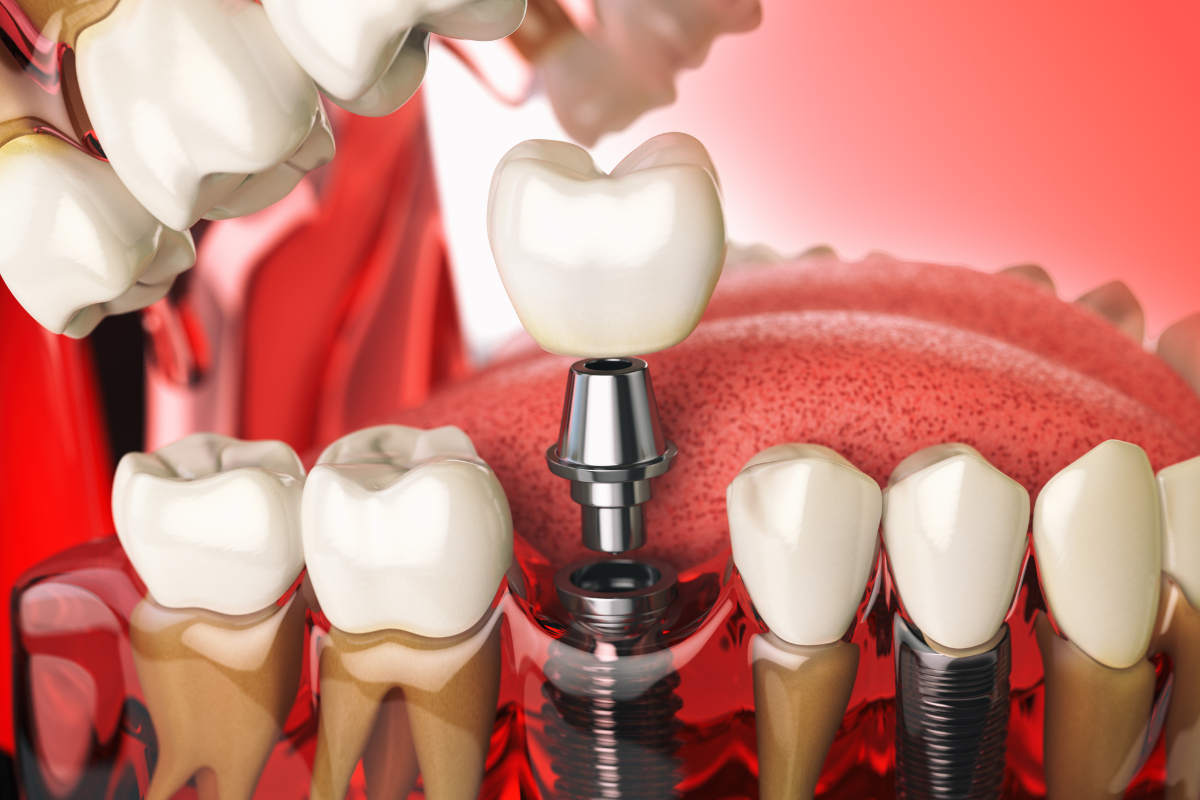
Dental implants are small titanium posts placed into the jawbone to replace missing tooth roots. After healing, a custom dental crown is attached to restore the visible part of the tooth.
Unlike removable dentures, implants are designed to stay securely in place.
Why Patients Consider Implants
Adults commonly explore implants when they experience:
- Missing teeth affecting chewing
- Loose dentures
- Bone loss in the jaw
- Difficulty speaking clearly
- Changes in smile appearance
- Bite alignment issues
- Cracked or severely damaged teeth
Because implants replace both the tooth and root structure, they can support overall restorative dentistry goals while helping maintain jaw stability.
Why More Adults Are Choosing Implants in 2026
1. People Want Long-Term Solutions
Many adults are becoming more proactive about oral health instead of waiting until problems worsen.
Traditional bridges and dentures can still be effective in certain situations, but implants are often chosen because they may help:
- Preserve surrounding enamel
- Reduce shifting teeth
- Support jawbone health
- Improve chewing strength
- Restore a more natural feel
Patients today are also researching treatment options more carefully than ever before. They want solutions that support daily comfort, not just appearance.
2. Modern Implant Technology Has Improved the Experience
Dental implant treatment has changed significantly over the last decade.
Digital imaging, guided planning, and improved restorative techniques now allow implant dentists to create more precise treatment plans. Many patients are surprised by how organized and predictable the process feels compared to what they expected.
Modern treatment planning can also help identify concerns involving:
- Gum disease
- Bone density
- Bite pressure
- Existing dental crowns
- Oral hygiene habits
Addressing these factors early often improves long-term outcomes.
3. Adults Are Prioritizing Confidence Again
One overlooked reason implants are growing in popularity is emotional comfort.
Missing teeth can affect much more than appearance. Some adults begin avoiding photos, speaking less in social settings, or feeling self-conscious during work conversations.
Full smile restoration is not only cosmetic. It can influence:
- Daily confidence
- Speech clarity
- Food choices
- Facial support
- Overall quality of life
Patients often describe the ability to eat comfortably again as one of the biggest lifestyle improvements after treatment.
Recovery also plays a major role in long-term implant success. If you’re wondering what foods help support healing after treatment, explore our guide on What Can You Eat After Getting Dental Implants? A Recovery Food Guide.
Dental Implants vs. Other Missing Teeth Solutions
| Treatment Option | Removable | Helps Support Jawbone | Feels Like Natural Teeth |
| Dentures | Yes | No | Sometimes |
| Dental Bridge | No | Limited | Moderate |
| Dental Implants | No | Yes | Often Yes |
Every patient’s needs are different, which is why a full evaluation matters before choosing treatment.
Who May Be a Good Candidate for Dental Implants?
Many adults assume they are not candidates because of age or previous dental problems. That is not always true.
An implant dentist typically evaluates:
- Gum health
- Jawbone condition
- Medical history
- Smoking habits
- Oral hygiene
- Existing restorations
Even patients who have worn dentures for years may still have options available.
During consultations at the Midland location page, patients commonly ask whether implants can replace multiple missing teeth at once. In many cases, implant-supported restorations can help restore larger sections of the smile while improving stability.
Many patients also want to understand how to prepare before treatment begins. If you are considering implants for the first time, this guide on Dental Implants Preparation: What You Should Know Before Getting Dental Implants explains what to expect before surgery, including oral health evaluations, healing considerations, and treatment planning steps.
Signs It May Be Time to Explore Dental Implants
You may want to schedule an evaluation if you notice:
- Difficulty chewing certain foods
- Loose or uncomfortable dentures
- Teeth shifting into empty spaces
- Repeated problems with older dental work
- Jaw soreness from uneven bite pressure
- Avoiding smiling in photos
- Speech changes caused by missing teeth
Even one missing tooth can gradually affect surrounding teeth and oral function over time.
Patient Trust & Experience
Many adults considering implants initially worry the process will feel overwhelming or uncomfortable.
That’s why trust and communication matter throughout treatment planning.
See what patients are saying through Google reviews before scheduling your consultation.
How to Protect Dental Implant Results Long-Term
Dental implants still require healthy habits to stay successful.
Helpful habits include:
- Brushing twice daily
- Flossing around restorations
- Keeping regular dental visits
- Managing gum inflammation early
- Avoiding tobacco use
- Wearing a nightguard if recommended
Although implants cannot develop cavities, surrounding gum tissue and supporting bone still require proper care.
Considering Dental Implants? Start With a Consultation
Choosing the right tooth replacement option is not only about appearance. It is about protecting oral function, maintaining comfort, and supporting long-term dental health.
If you have been living with missing teeth, loose dental work, or ongoing bite discomfort, an evaluation can help you better understand your options before problems become more complex.
A consultation with an implant dentist can determine:
- Whether implants are appropriate
- If bone support is sufficient
- What restoration options are available
- How treatment may fit your goals and timeline
Call Bliss Dental & Orthodontics today to schedule a dental implant consultation and learn more about modern full smile restoration options.
FAQs
Are dental implants painful?
Most patients describe the procedure as more manageable than expected. Local anesthesia is used during treatment, and mild soreness afterward is common during healing.
How long do dental implants last?
With proper oral hygiene and regular dental care, implants can last many years. Long-term success also depends on gum health and lifestyle habits.
Can implants replace multiple teeth?
Yes. Implants can support single crowns, bridges, or full-arch restorations depending on the patient’s needs.
Am I too old for dental implants?
Age alone does not automatically prevent implant treatment. Bone health, gum condition, and overall oral health are more important factors.
What happens if missing teeth are not replaced?
Over time, missing teeth can contribute to shifting teeth, jawbone loss, bite alignment problems, and difficulty chewing comfortably.