

You’ve Been Living With a Gap And You’re Done Waiting
There’s a moment most people recognize: you smile for a photo and instinctively close your mouth, or you order food at a restaurant and quietly avoid the things you used to love. A missing tooth does more than change your smile it shifts the way you carry yourself. And if you’ve been researching ways to fix it, you’ve probably landed on dental implants.
But between the research and the result, there’s one thing that stops many patients cold: the unknown. How long does the dental implant process actually take? Will it hurt? What happens at each appointment? Is it really worth it?
The truth is, the dental implant process is longer than most cosmetic treatments but it’s also one of the most predictable and durable solutions in modern restorative dentistry. Understanding exactly what happens, and when, makes a difference. If you’ve been considering implants and want honest guidance from a team that prioritizes your comfort, our Midland dental office has helped hundreds of patients go from hesitation to confidence one carefully planned step at a time.
This guide walks you through the complete implant timeline so you can walk into a consultation prepared, ask the right questions, and make a decision grounded in clarity not fear.
What Is the Dental Implant Process?
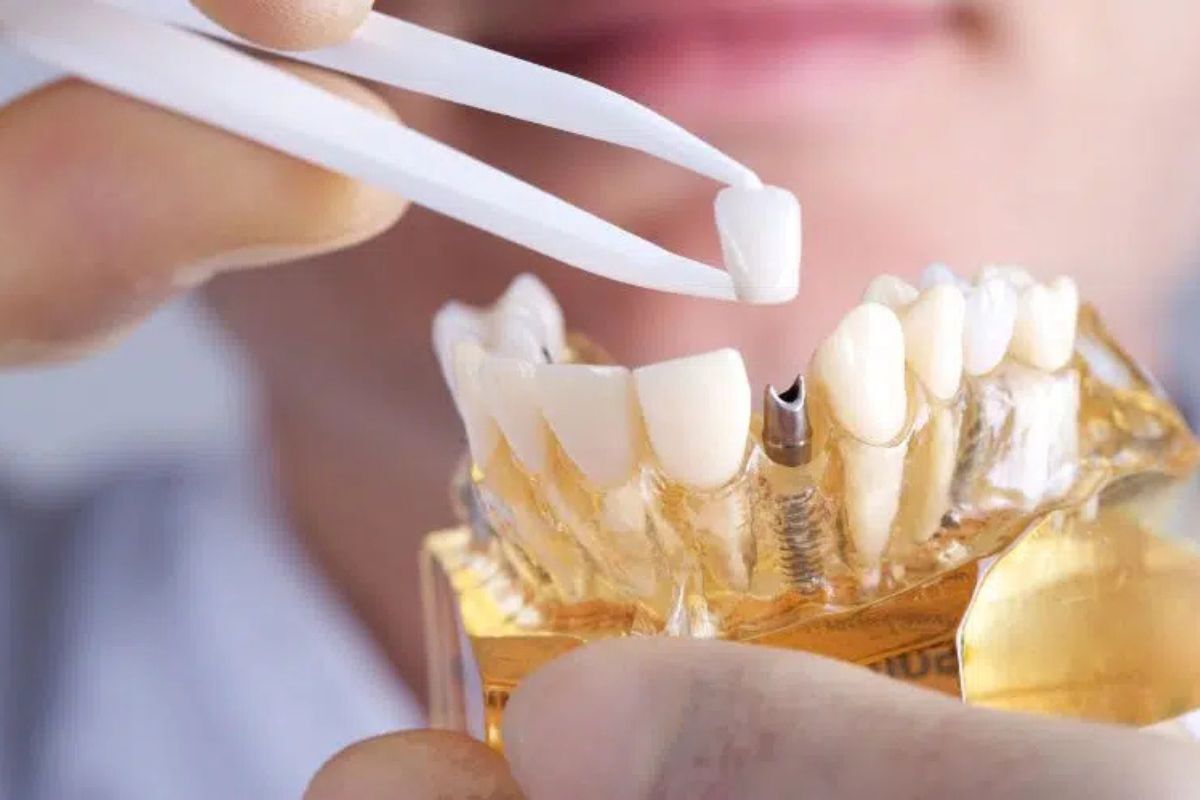
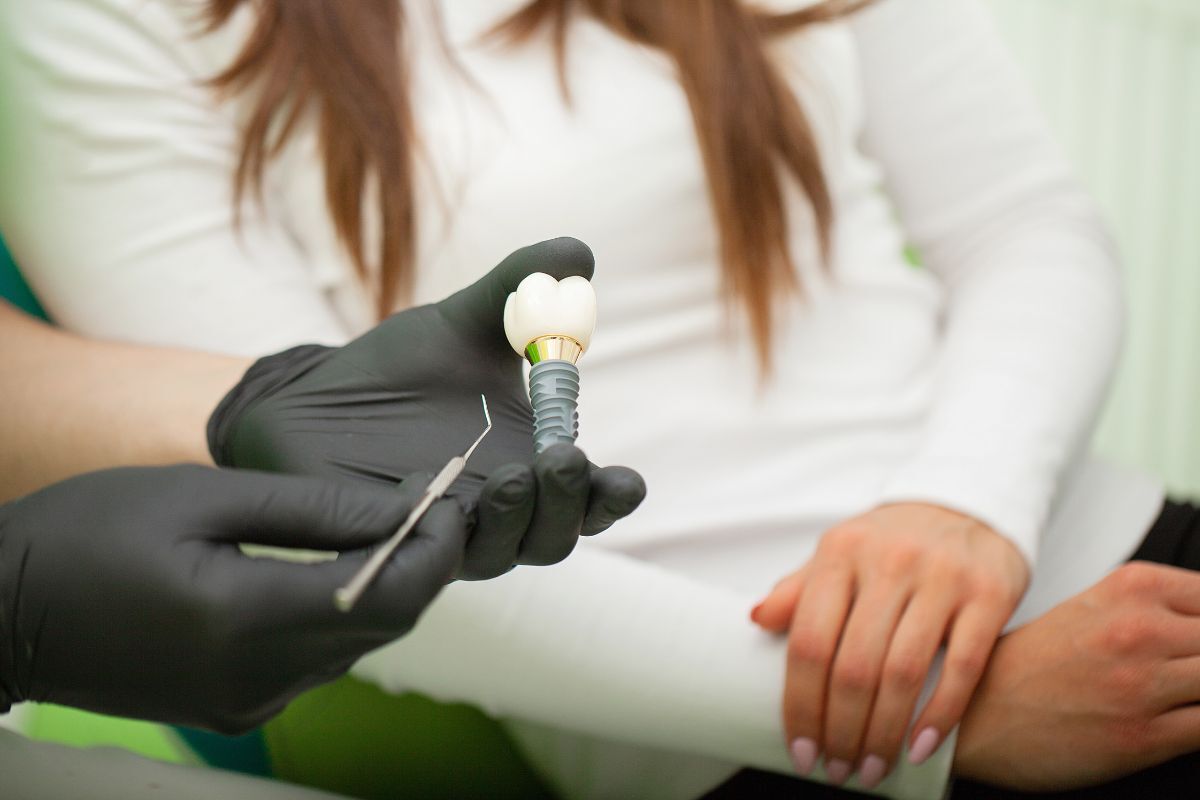
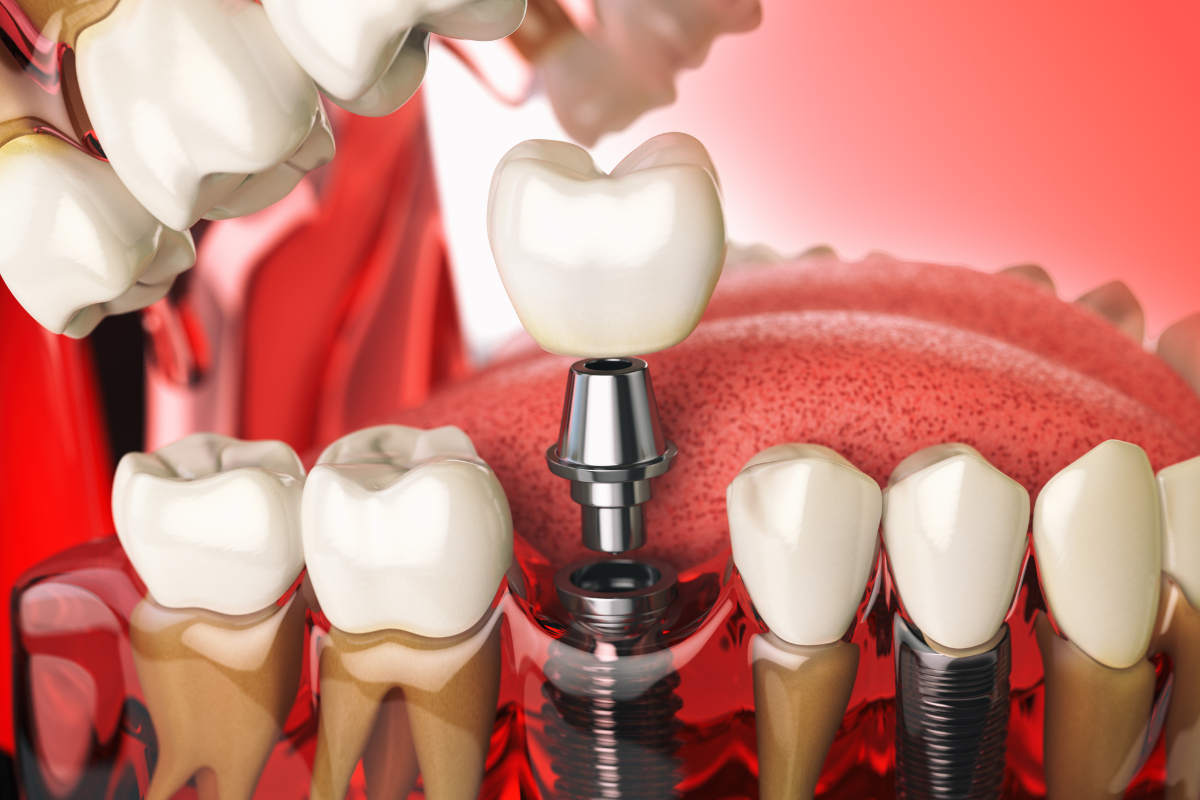
The dental implant process is a multi-stage tooth replacement procedure in which a titanium post is surgically placed into the jawbone to act as an artificial tooth root. Over 3–6 months, the implant fuses with the bone through osseointegration. A permanent crown is then attached, completing the restoration. Total treatment typically spans 3–9 months depending on individual healing and bone health.
Why Implants Are Different From Other Tooth Replacements
Dental bridges and dentures sit on top of the gumline. Implants go underneath it they replace the tooth root itself. This distinction is what gives implants their long-term structural advantages:
- Bone preservation: When a tooth root is gone, the jawbone begins to resorb. Implants stimulate bone the same way natural roots do, helping to prevent bone loss.
- Stability: Implants don’t slip or shift. They function like a natural tooth during chewing and speaking.
- Longevity: With proper oral hygiene and routine dental care, implants can last 20+ years or a lifetime.
- Appearance: The crown is custom-crafted to match surrounding teeth in shape, size, and color.
Sometimes patients assume a dental crown can solve any tooth problem, but there are situations where replacing the entire tooth structure is the healthier long-term solution. If you’re unsure whether a damaged tooth can still be saved, read our guide on When a Crown Isn’t Enough: 7 Signs You May Need a Dental Implant to understand the warning signs dentists look for before recommending extraction and implant treatment.
The Full Dental Implant Timeline: Stage by Stage
The reason implants take longer than other restorations isn’t inefficiency it’s biology. Your jawbone needs time to integrate with the titanium post before a permanent crown can be placed. Here’s an honest, step-by-step breakdown of what the process typically looks like:
| Stage | Phase | Timing | What Happens |
|---|---|---|---|
| Stage 1 | Initial Consultation | Day 1 | X-rays, 3D imaging, bone assessment, treatment planning |
| Stage 2 | Bone Grafting (if needed) | Weeks 1–4 | Bone graft placed; healing time 3–6 months before implant |
| Stage 3 | Implant Placement Surgery | Day of Surgery | Titanium post placed into jawbone under local anesthesia |
| Stage 4 | Osseointegration (Healing) | 3–6 Months | Bone fuses to implant; temporary restoration may be worn |
| Stage 5 | Abutment Placement | After Fusion Confirmed | Connector piece attached to top of implant post |
| Stage 6 | Crown Placement | 2–4 Weeks After Abutment | Custom-crafted permanent crown is fitted and adjusted |
| Stage 7 | Follow-Up & Maintenance | Ongoing | Routine exams, professional cleaning, implant longevity care |
Stage 1: The Initial Consultation
Your first appointment is the most important one. A thorough consultation involves a clinical exam, digital X-rays, and often a 3D CBCT scan that maps your jawbone density, sinus position, and nerve locations. This imaging is what separates a well-planned implant from one that runs into complications.
During this visit, your dentist will evaluate:
- Bone density and volume at the implant site
- Gum health and signs of gum disease
- The health of remaining teeth and your bite alignment
- Your overall oral health, including any tooth decay or enamel concerns
- Medical history factors that can affect healing (diabetes, blood thinners, smoking)
You’ll also get a clear treatment plan including timeline, staging, and cost before anything is scheduled.
Preparing for implant treatment starts long before the day of surgery. Understanding how to prepare physically, financially, and mentally can help make the entire process smoother. For a detailed checklist, explore our guide on Dental Implants Preparation: What You Should Know Before Getting Dental Implants.
Stage 2: Bone Grafting (If Needed)
Not everyone requires a bone graft, but it’s worth knowing about. If you’ve had a missing tooth for more than a year, or had significant bone loss from gum disease or prior extractions, the implant site may not have enough volume to support a post.
A bone graft addresses this by adding material to the site typically processed donor bone or synthetic grafting material which your body gradually replaces with natural bone over 3–6 months. It adds time to the process, but it’s what makes long-term implant success possible for many patients who might otherwise be told they’re “not candidates.”
Stage 3: Implant Placement Surgery
This is the stage most people imagine when they think of dental implant surgery but it’s often milder than expected. The procedure is performed under local anesthesia, and sedation options are available if you experience dental anxiety.
The dentist makes a small incision in the gum, creates a precise channel in the bone, and places the titanium implant post. The gum is sutured closed around or over the post, and a healing cap may be placed. Most patients describe the sensation as pressure with minimal pain, and manageable soreness in the days that follow.
Did You Know?
Titanium is used in dental implants because of its unique ability to biologically bond with bone a process called osseointegration. This same material has been used in orthopedic joint replacements for decades. Its biocompatibility makes it one of the most accepted materials in the human body.
Stage 4: Osseointegration – The Healing Phase
After the implant is placed, you enter the most important phase of the entire dental implant process: osseointegration. Over the next 3–6 months, the bone cells in your jaw grow around and fuse to the surface of the titanium post, essentially locking it in place.
There’s nothing you actively do during this phase except follow aftercare instructions:
- Maintain oral hygiene gently around the surgical site
- Avoid smoking, which significantly impairs bone healing and osseointegration success
- Follow dietary guidance (soft foods initially, gradually returning to normal)
- Attend follow-up appointments so your provider can monitor integration progress
A temporary crown or partial may be provided during this period for both appearance and function.
Stage 5: Abutment Placement
Once osseointegration is confirmed often through a follow-up X-ray or digital scan your dentist places the abutment. This is a small connector piece that screws into the top of the implant and serves as the anchor for your permanent crown.
In some cases, the abutment is placed at the same time as the implant post. In others, it’s a brief second procedure done under local anesthesia. Gum tissue is allowed to heal around the abutment for a few weeks before impressions are taken for the crown.
Stage 6: Crown Placement Your Final Restoration
The crown is the part of the implant that you and everyone else will actually see. It’s crafted from dental-grade ceramic or porcelain fused to a metal base, custom-shaped and color-matched to blend seamlessly with your surrounding teeth.
Once fitted and adjusted for your bite, the crown is secured to the abutment. And that’s the moment the dental implant process is complete your new tooth looks, functions, and feels like a natural part of your smile.
Stage 7: Long-Term Maintenance
Implants don’t require special maintenance beyond what good oral hygiene already demands. Brush twice daily, floss around the implant site, and see your dentist for routine exams and cleanings. Restorative dentistry doesn’t end at placement long-term outcomes depend on the same consistent care you’d give natural teeth.
⭐⭐⭐⭐⭐ Ladena Jackson- Midland, TX
I have been going here for almost a year. The staff is always kind I have never waited any lengthy time to get back in a room and Dr Galloway is amazing! He is so kind attentive and thorough and the hygienist I believe his name is Bert is so good. He is very sweet. He is very knowledgeable and he never hurts me and I have to go for cleanings every three months so I definitely recommend this Dental Office to everyone!!
Who Is a Good Candidate for Dental Implants?
Most adults with a missing tooth or multiple missing teeth are potential candidates, but a proper evaluation is essential. Implant success depends on several interconnected factors:
- Sufficient jawbone density: Enough bone to anchor and support the post. Bone grafting can address deficiencies.
- Healthy gums: Active gum disease must be treated before implant placement.
- General health: Uncontrolled diabetes, autoimmune conditions, or radiation to the jaw area may affect candidacy.
- Non-smokers or those willing to quit: Smoking reduces blood flow to gum tissue and significantly increases the risk of implant failure.
- Committed to oral hygiene: Implant longevity depends on maintaining clean, healthy tissue around the implant site.
Young patients whose jawbones are still developing are typically advised to wait until growth is complete. Your dental provider will give you a clear, honest assessment based on imaging and health history not guesswork.
Dental implants continue to grow in popularity among adults seeking a long-term solution for missing teeth. From improved confidence to better chewing function and bone preservation, more patients are choosing implants than ever before. Learn why in our article Why More Adults in West Texas Are Choosing Dental Implants in 2026.
Potential Risks And How They’re Managed
Dental implant procedures are among the most researched and success-tracked procedures in dentistry. Success rates consistently range above 95%. That said, like any surgical procedure, risks exist:
- Infection at the implant site (managed with proper aftercare and, when appropriate, antibiotics)
- Implant micro-movement during healing, which can disrupt osseointegration
- Nerve sensitivity in the lower jaw, particularly with deeper implants
- Sinus complications for upper jaw implants near the sinus cavity
The majority of complications arise from inadequate planning, compromised bone health, or patient factors like smoking and uncontrolled systemic conditions. An experienced implant dentistry team minimizes risk through precise imaging and staged treatment planning.
If you have questions about your candidacy, healing process, or potential risks, call us today. Our team is happy to discuss your concerns, explain your treatment options, and help you determine whether dental implants are the right solution for your smile.
Meet Your Dental Team at Bliss Dental & Orthodontics

Meet Dr. Nathan Galloway
Our dental team combines years of restorative and implant dentistry experience with a genuine commitment to patient comfort. We believe that every patient deserves honest guidance, unhurried consultations, and treatment plans built around their real life—not a sales script.
With convenient locations throughout West Texas, you can visit the Bliss Dental & Orthodontics office that works best for you and receive the same high standard of personalized implant care. Whether you’re in Midland, Odessa, or a nearby community, our team is here to help you explore your options with confidence.
Ready to learn whether dental implants are right for you? Schedule a consultation and get your questions answered with no pressure.
⭐⭐⭐⭐⭐ Irene Hernandez- Odessa
I was so Happy with this visit! Great service and took into consideration my traveling got me in and out! Total blessing I am very appreciative to this clinic first visit! Highly recommend!
What Patients Wish They’d Known Before Starting
Talking to patients after they’ve completed the implant process, certain themes come up repeatedly. Here’s the practical advice they’d pass along to someone at the start of the journey:
1. Get Your Questions Answered Before You Commit
The consultation isn’t just a formality it’s your opportunity to understand the full picture before you agree to anything. Ask about the expected timeline for your specific situation, what happens if bone grafting is needed, and what the aftercare looks like. Informed patients tend to have smoother experiences.
2. Plan Around the Healing Phase, Not the Surgery
Most patients find the surgery itself manageable. What catches people off guard is the healing phase not because it’s painful, but because it takes time. Plan your implant process when you don’t have major travel or life events that could interfere with follow-up appointments.
3. Ask About Financing Options Early
The upfront investment in implants can feel significant, but it’s worth understanding the long-term math. Dentures and bridges require ongoing adjustments and replacements. Implants typically don’t. Ask your dental team about payment plan options before assuming cost is a barrier. Our Midland dental team like all our locations works with patients to make treatment financing clear and accessible from day one.
4. Follow Post-Op Instructions Carefully
The single biggest factor in successful osseointegration that patients control? Following post-op guidance. That means not smoking, not disturbing the surgical site, eating appropriately, and attending every follow-up appointment. These aren’t bureaucratic suggestions they’re the variables that determine long-term success.
5. Protect Your Remaining Natural Teeth
Tooth decay and gum disease in adjacent teeth can affect implant outcomes. This is a good time to recommit to daily oral hygiene, address any existing enamel erosion, and stay current on professional cleanings. Implant dentistry works best as part of a broader commitment to oral health.
Frequently Asked Questions About the Dental Implant Process
How long does the dental implant process take from start to finish?
The complete dental implant process typically takes between 3 and 9 months, depending on individual factors. Cases that require bone grafting before implant placement will take longer often 6–12 months total while straightforward cases with adequate bone density can be completed closer to the 3–5 month range.
Is the dental implant surgery painful?
Most patients report that the surgery itself involves pressure but minimal sharp pain, as the procedure is performed under local anesthesia. Post-operative soreness is normal and manageable with over-the-counter pain relief in the majority of cases. Prescription pain management is available when appropriate.
How long does implant healing take?
Implant healing specifically osseointegration takes 3–6 months. During this time, the jawbone is actively fusing to the titanium post. Soft tissue healing around the gumline occurs more quickly, usually within 1–2 weeks post-surgery.
What can I eat after dental implant surgery?
Immediately following surgery, a soft diet is recommended think yogurt, scrambled eggs, mashed potatoes, and smoothies. As healing progresses, you’ll gradually return to a normal diet. Hard, crunchy, or chewy foods should be avoided near the surgical site during the early healing weeks.
Can dental implants fail? What causes implant failure?
Implant failure does occur, but it’s uncommon success rates are consistently above 95%. The most common causes include smoking, uncontrolled diabetes, infection at the implant site, and insufficient bone density at placement. Proper case selection, imaging, and patient compliance significantly reduce failure risk.
Are dental implants covered by insurance?
Coverage varies by plan. Some dental insurance policies cover a portion of implant costs typically the crown or the surgical component while others classify implants as cosmetic and provide no coverage. Many patients use FSA/HSA funds or dental financing plans to manage the investment. A financial consultation at your dental office can clarify your options.
How do I take care of a dental implant long-term?
Implant care closely mirrors natural tooth care: brush twice daily with a soft-bristle brush, floss daily around the implant site, avoid using implants to bite hard objects like ice, and attend regular professional cleanings. Implants do not decay, but the surrounding gum tissue and bone can still be affected by gum disease, making routine oral hygiene essential.