
Losing part of a tooth can feel stressful enough. But hearing that a crown may not be the best long-term option can leave many patients unsure about what comes next.
In some situations, a damaged tooth can still be restored with a dental crown. In others, the tooth structure, root health, or surrounding bone may no longer support a predictable restoration. That’s when dental implants often become part of the conversation.
Patients exploring long-term restorative dentistry options often want clarity before making a decision. Whether you’re researching treatment options through the team serving patients at Bliss Dental & Orthodontics in Midland or simply learning more about damaged tooth replacement, understanding the warning signs early may help you avoid future complications.
This guide explains seven common dental implant signs dentists look for when deciding whether an implant may offer better long-term stability than a crown.
What’s the Difference Between a Crown and a Dental Implant?
A dental crown is a protective cap placed over a damaged tooth to restore strength, function, and appearance.
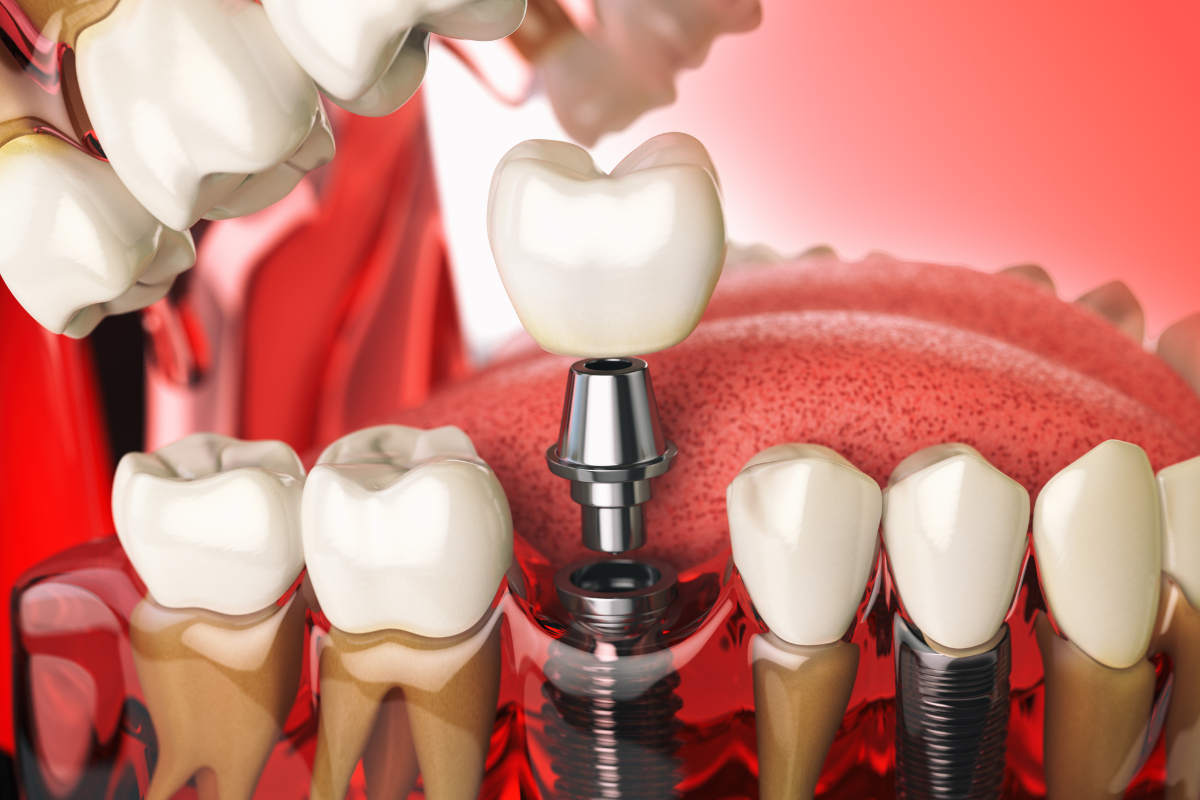
A dental implant replaces the entire tooth structure, including the root, using a titanium post placed inside the jawbone.
Quick Comparison
| Dental Crown | Dental Implant |
| Preserves natural tooth root | Replaces missing tooth root |
| Used when enough healthy tooth remains | Used when tooth cannot be predictably saved |
| Faster treatment process | Longer healing and integration process |
| Depends on existing tooth stability | Independent long-term support |
| May require future replacement | Designed for long-term function |
When enamel damage, infection, fractures, or bone loss become severe, restorative dentistry may shift from saving the tooth to replacing it more predictably.
1. The Tooth Is Cracked Below the Gumline
Small enamel cracks can sometimes be restored with a crown. However, deep fractures extending below the gumline often compromise the tooth root and surrounding support structures.
Why This Matters
When a crack reaches beneath the visible tooth:
- Bacteria can enter the root system
- Infection risk increases
- Gum disease may develop around the fracture
- Bite pressure can worsen the damage over time
In many cases, crowns cannot stabilize teeth with deep structural fractures.
Common Symptoms
- Sharp pain while chewing
- Sudden sensitivity
- Swelling near the gums
- A loose or shifting feeling in the tooth
If the fracture affects the root structure, a dental implant may provide a more stable long-term replacement.
2. There Isn’t Enough Healthy Tooth Left
Crowns require enough healthy tooth structure to stay securely attached.
When severe tooth decay, trauma, or repeated dental work leaves minimal remaining enamel, a crown may no longer have adequate support.
Signs There May Be Insufficient Tooth Structure
- Large sections of the tooth are missing
- Multiple previous fillings have weakened the tooth
- The tooth breaks repeatedly
- Existing crowns continue failing
At a certain point, preserving a severely compromised tooth can become less predictable than replacing it.
Featured Snippet Answer
A dental implant may be recommended instead of a crown when there is not enough healthy tooth structure remaining to securely support restoration. Severe decay, fractures, or repeated dental work can weaken the tooth beyond predictable repair.
3. You’ve Had Multiple Failed Root Canals or Crowns
Repeated treatment on the same tooth is often a sign of deeper structural problems.
A crown may temporarily restore function, but if infection continues returning or the tooth repeatedly fractures, long-term success rates may decrease.
Common Warning Signs
- Recurring swelling
- Ongoing pain around the tooth
- Gum tenderness
- Persistent infection
- Crown loosening
At this stage, many dentists discuss dental implants as a more stable damaged tooth replacement option.
Patients learning about restorative dentistry through resources provided by the team serving the Odessa community often ask whether replacing the tooth entirely may help prevent repeated procedures and discomfort.
4. Significant Bone Loss Is Present
Healthy jawbone support is essential for long-term tooth stability.
When infection, gum disease, or missing teeth cause bone deterioration, crowns alone may not solve the underlying issue.
How Bone Loss Affects Oral Health
Bone loss can lead to:
- Bite alignment changes
- Tooth shifting
- Facial structure changes
- Increased stress on neighboring teeth
- Difficulty chewing comfortably
Dental implants help stimulate jawbone activity, which may help preserve surrounding bone over time.
5. The Tooth Feels Loose
A loose tooth may indicate:
- Advanced gum disease
- Root damage
- Bone loss
- Severe trauma
While splinting or crowns may temporarily stabilize some teeth, movement often suggests compromised support beneath the surface.
Important to Know
Mobility usually means the problem extends beyond enamel damage alone. In these cases, simply covering the tooth with a crown may not address the underlying instability.
6. You Have Persistent Infection Around the Tooth
Chronic infection can weaken surrounding bone and gum tissue.
Even after root canal therapy, some teeth continue developing abscesses or inflammation because bacteria remain trapped deep within microscopic root structures.
Symptoms That Shouldn’t Be Ignored
- Gum boils
- Swelling
- Bad taste in the mouth
- Facial tenderness
- Pressure around the tooth
When infection becomes recurrent, removing the tooth and replacing it with a dental implant may improve long-term oral health outcomes.
7. Your Bite Is Becoming Uneven
When a damaged tooth weakens, neighboring teeth often compensate during chewing.
Over time, this imbalance can affect:
- Bite alignment
- Jaw comfort
- Tooth wear
- Smile appearance
- Overall oral hygiene maintenance
A stable replacement may help restore better function across the entire bite system.
How Dentists Decide Between a Crown and an Implant
The decision depends on several factors, including:
Dentists Evaluate:
- Remaining enamel and root structure
- Bone support
- Gum health
- Infection severity
- Tooth location
- Bite pressure
- Long-term predictability
The goal of restorative dentistry is not simply saving teeth at all costs — it’s preserving long-term function, comfort, and oral health whenever possible.
Many patients who initially consider crowns eventually begin researching the long-term advantages of implants, especially when recurring dental problems continue affecting comfort and function. If you’re comparing treatment outcomes, you may also want to read why more adults are choosing dental implants for long-term tooth replacement solutions.
Practical Advice Before Choosing Treatment
Before deciding between a crown and implant:
Ask Questions About:
- Long-term success rates
- Remaining tooth strength
- Risk of reinfection
- Future repair costs
- Bone preservation
- Impact on nearby teeth
A short-term fix is not always the best long-term investment in oral health.
If you’re considering treatment, understanding the preparation process can help reduce uncertainty and make appointments feel more comfortable. Reading about what to expect before dental implant treatment may help you feel more confident before your consultation.
If you’ve been told you may need a crown but continue experiencing pain, fractures, or recurring dental problems, it may be time to explore whether a dental implant offers a more predictable long-term solution.
The team at Bliss Dental & Orthodontics can help evaluate your tooth, explain your options clearly, and create a treatment plan focused on comfort, function, and lasting oral health. Call today to schedule a restorative dentistry consultation or request an appointment online.
FAQs
How do I know if I need a dental implant instead of a crown?
You may need a dental implant if the tooth has severe structural damage, deep fractures, advanced infection, significant bone loss, or insufficient healthy enamel to support a crown safely.
Can a crown save a severely damaged tooth?
Sometimes. If enough healthy tooth structure and root support remain, a crown may still work effectively. However, severely weakened teeth often have lower long-term predictability.
Is a dental implant more durable than a crown?
Dental implants are generally designed for long-term stability because they replace the tooth root and integrate with the jawbone. Crowns depend on the condition of the existing tooth underneath.
What happens if I delay replacing a damaged tooth?
Delaying treatment may lead to worsening tooth decay, shifting teeth, bite alignment changes, gum disease, and additional bone loss.
Are dental implants painful?
Most patients report that implant treatment is more comfortable than expected. Modern restorative dentistry techniques focus heavily on patient comfort and healing support.
Can gum disease affect whether I qualify for dental implants?
Yes. Healthy gums and adequate bone support are important for successful implant placement. Dentists typically address gum disease before beginning implant treatment.