
Losing a tooth can affect everything from chewing comfort to confidence in your smile. Fortunately, modern dentistry offers long-lasting solutions like dental implants that look, feel, and function like natural teeth.
For patients exploring treatment options, understanding dental implants preparation is one of the most important first steps before beginning the process. If you’re considering implants and want to talk with a local team, many patients start by scheduling a consultation through the team at Bliss Dental & Orthodontics in Midland to learn whether implants are the right solution.
This guide explains how dental implants work, how to prepare for the procedure, and what alternatives exist for replacing missing teeth.
What Are Dental Implants?
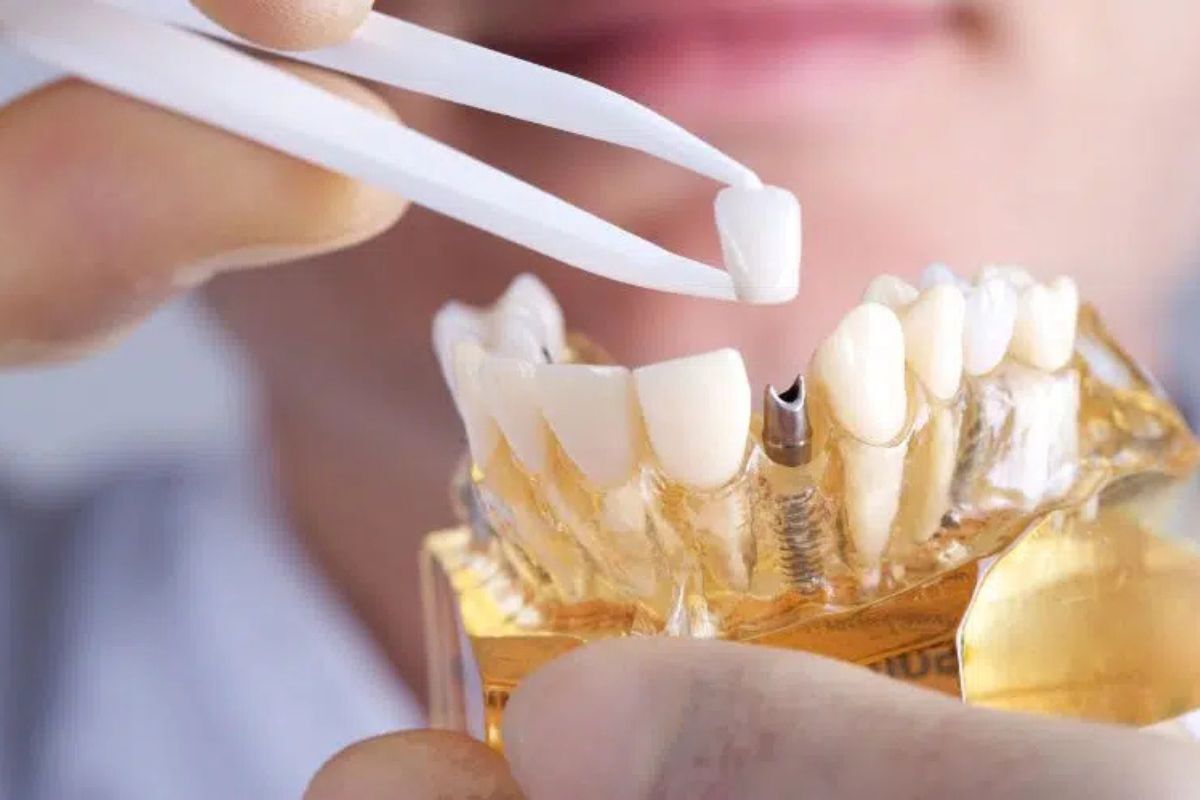
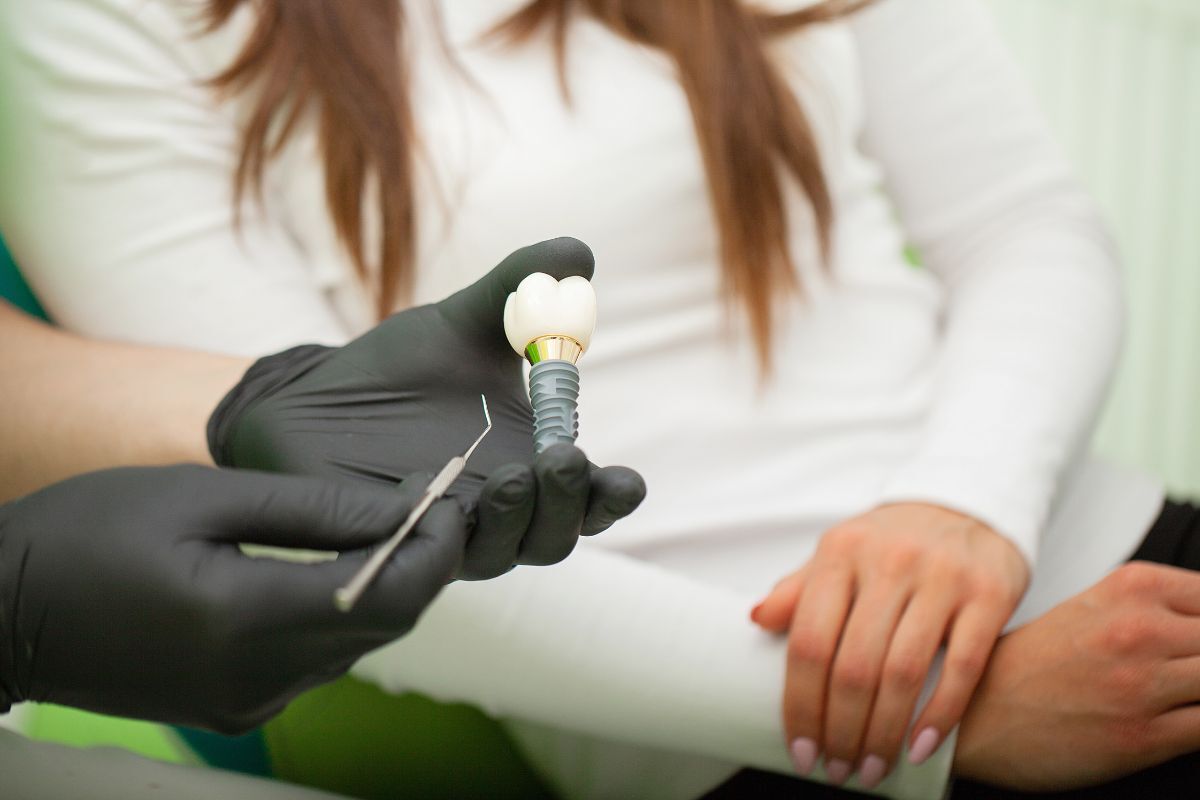
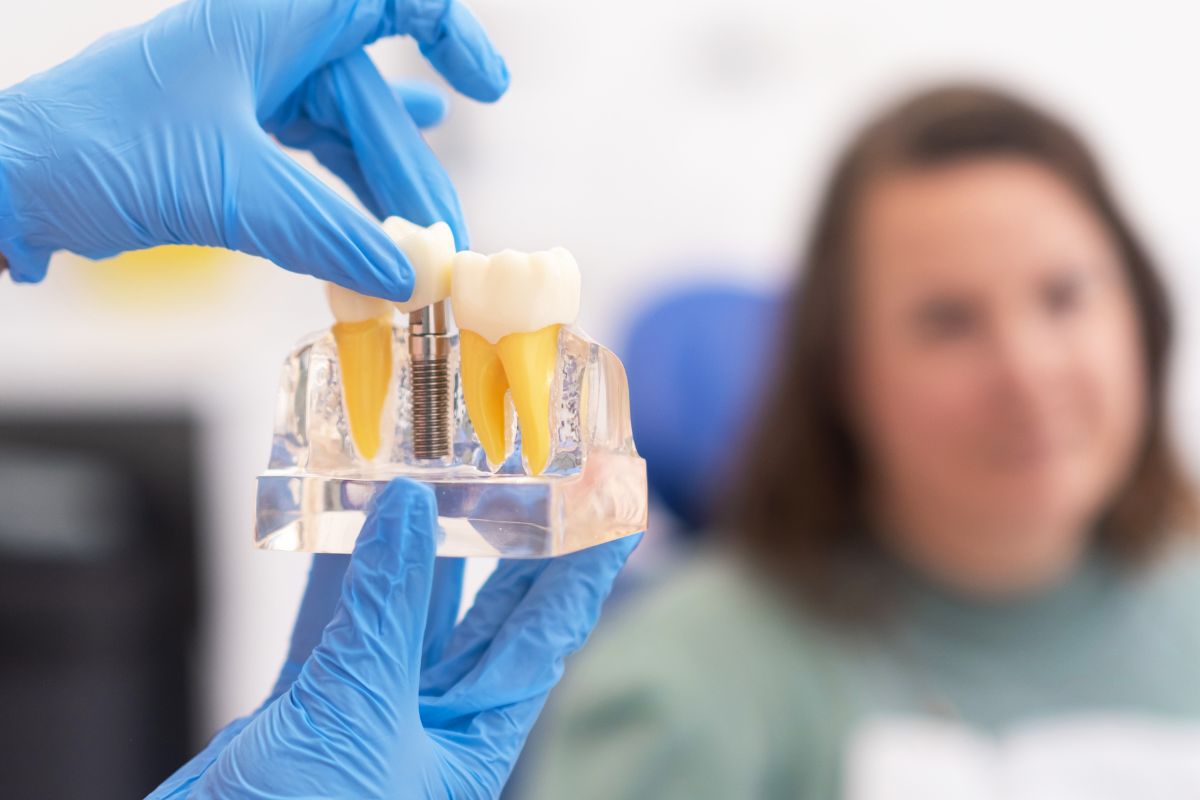
Dental implants are artificial tooth roots made of biocompatible titanium that are surgically placed into the jawbone. Once healed, they support a crown, bridge, or denture that restores your smile. If you’re exploring long-term solutions for missing teeth, you can learn more about dental implant treatment on our website to better understand how this restorative option works.
A complete implant restoration typically has three parts:
1. Implant post – the titanium root placed into the bone
2. Abutment – the connector piece
3. Crown – the visible replacement tooth
Because implants integrate with the jawbone, they provide exceptional stability and help prevent bone loss that often occurs after tooth loss.
Why Dental Implants Are a Popular Choice for Replacing Missing Teeth
Patients often choose implants over other replacing missing teeth options for several reasons:
1. Natural Appearance
Implant-supported crowns are designed to match the color and shape of surrounding teeth.
2. Long-Term Durability
With proper care, implants can last decades, making them one of the most durable restorative treatments.
3. Bone Preservation
Unlike traditional bridges or dentures, implants stimulate the jawbone, helping prevent bone deterioration.
4. Improved Comfort
Because implants are anchored in the bone, they eliminate slipping or movement that can occur with removable appliances.
Dental Implants Preparation: What Happens Before Treatment
Proper preparation helps ensure a successful implant procedure and smooth recovery.
1. Comprehensive Dental Examination
Your dentist evaluates oral health, bone density, and gum condition to determine implant candidacy. Imaging such as digital X-rays or 3D scans may be used.
2. Health and Medical Review
Certain medical conditions or medications can influence healing. Your dental team will review:
- Overall health history
- Current medications
- Smoking habits
- Bone health
3. Treatment Planning
Your dentist creates a customized plan outlining:
- Number of implants needed
- Implant placement locations
- Timeline for healing and restoration
Understanding the Implant Procedure Steps
Knowing the implant procedure steps can make the process feel much more manageable.
Step 1: Implant Placement
The implant post is carefully placed into the jawbone during a minor surgical procedure.
Step 2: Osseointegration
Over several months, the implant fuses with the surrounding bone, creating a strong foundation.
Step 3: Abutment Placement
Once healing occurs, the connector piece (abutment) is attached.
Step 4: Final Restoration
A custom crown, bridge, or denture is secured to complete the restoration.
Are Dental Implants Right for Everyone?
Many adults qualify for dental implants, but ideal candidates typically have:
- Healthy gums
- Adequate jawbone density
- Good oral hygiene habits
- Overall stable health
If bone loss has occurred, additional treatments like bone grafting may be recommended before implant placement.
During consultations, patients often explore treatment plans with implant specialists such as the team serving patients through the Odessa dental office to determine the most effective restorative approach.
Alternative Options for Replacing Missing Teeth
Although implants are highly effective, some patients consider other replacing missing teeth options depending on their needs.
1. Dental Bridges
A bridge uses neighboring teeth to support an artificial tooth. This option may work well when adjacent teeth already need crowns.
2. Partial Dentures
Removable partial dentures replace one or several missing teeth and can be a more affordable solution.
3. Full Dentures
For patients missing most or all teeth, full dentures provide complete arch restoration.
However, implants are often preferred because they provide superior stability and prevent bone loss.
How to Prepare for Your Dental Implant Appointment
Preparing for your consultation and procedure can improve outcomes.
1. Maintain Excellent Oral Hygiene
Healthy gums and clean teeth support healing and implant success.
2. Stop Smoking
Smoking can interfere with bone healing and increase the risk of implant failure.
3. Follow Pre-Procedure Instructions
Your dental team may recommend:
- Adjusting certain medications
- Avoiding food before surgery
- Arranging transportation if sedation is used
4. Plan for Recovery Time
Most patients return to normal routines quickly, but mild swelling or soreness may occur for a few days.
Recovery and Aftercare Tips
After implant placement, proper aftercare is essential.
Helpful recovery tips include:
- Follow post-operative instructions carefully
- Use prescribed medications if needed
- Stick to soft foods initially
- Keep the surgical site clean
- Attend follow-up visits
Once fully healed, dental implants can be cared for just like natural teeth with brushing, flossing, and regular dental checkups.
When to Schedule a Dental Implant Consultation
If you’re experiencing any of the following, it may be time to explore implants:
- Missing one or more teeth
- Difficulty chewing certain foods
- Loose dentures or bridges
- Jawbone shrinkage after tooth loss
A professional evaluation can determine whether dental implants are the best long-term solution.
The sooner tooth loss is addressed, the more treatment options remain available.
Schedule a Dental Implant Consultation
Dental implants can restore confidence, improve oral health, and provide a long-lasting solution for missing teeth.
If you’re considering implants and want expert guidance, the team at Bliss Dental & Orthodontics can walk you through every step—from evaluation and dental implants preparation to final restoration. Call us today to schedule your consultation and find out if dental implants are right for you.
Scheduling a consultation allows you to:
- Determine implant eligibility
- Review personalized treatment plans
- Understand costs and timelines
- Explore all tooth replacement options
Book your dental implant consultation today and take the first step toward restoring your smile.
FAQs About Dental Implants Preparation
How long does the dental implant process take?
The full process typically takes 3 to 6 months, allowing time for the implant to integrate with the jawbone before the final crown is placed.
Are dental implants painful?
Most patients report minimal discomfort. The procedure is performed with local anesthesia, and post-procedure soreness is usually mild.
What is the success rate for dental implants?
Dental implants have a success rate of over 95% when placed in healthy patients with proper care.
Can smokers get dental implants?
Smoking increases the risk of complications, but some smokers can still qualify. Dentists often recommend reducing or stopping smoking before implant surgery.
How long do dental implants last?
With good oral hygiene and routine dental visits, implants can last 20 years or longer, and many last a lifetime.