
Most mornings move fast. You wake up, brush your teeth, and head out the door before you’ve had a chance to think twice about what’s happening inside your mouth. But hidden in that rushed routine is a small window of opportunity, a chance to catch a problem while it’s still small, quiet, and easy to treat.
A morning oral health check takes about 30 seconds. It isn’t a substitute for a dental exam, but it’s one of the simplest healthy teeth habits you can build, and it can help you notice changes long before they turn into pain, swelling, or an emergency visit. Patients we see at our Odessa dental practice often say the same thing after a routine visit: “I wish I’d noticed this sooner.” A quick look in the mirror each morning is how you get ahead of that regret, and it’s a habit any trusted dentist would encourage.
The Problem: Most Warning Signs Don’t Hurt Yet
Most people only really look closely at their teeth and gums when something already hurts. By the time discomfort shows up, the underlying issue early tooth decay, a cracked filling, gum irritation has usually been developing for weeks or months.
Enamel doesn’t send strong warning signals right away. Early decay can look like a small white or brown spot. Mild gum disease might show up as slightly puffy or pink-tinged gums, not obvious bleeding. None of it hurts yet, and that’s exactly why so many dental problems get missed until they’ve progressed further.
Why It Matters: Small Problems Don’t Stay Small
Dental problems rarely resolve on their own. A cavity that starts in the enamel can spread into the deeper layers of a tooth if it isn’t addressed, eventually requiring a filling, a crown, or in more advanced cases, a root canal. Gum disease follows a similar pattern what starts as mild inflammation can advance toward issues that affect the bone supporting your teeth.
The encouraging part is that early-stage problems are usually the easiest and least invasive to treat. A 30-second check doesn’t diagnose anything on its own, but it helps you notice when something looks or feels different, so you can have it evaluated before it becomes a bigger and more expensive issue.
What Happens When Early Signs Get Missed
- Decay spreads: Untreated tooth decay can progress toward a tooth’s nerve, increasing the chance of needing restorative dentistry like a dental crown or root canal.
- Gum inflammation can advance from mild irritation toward more serious gum disease, which affects the tissue and bone that hold teeth in place.
- Small changes in bite alignment can go unnoticed until they start causing jaw discomfort or uneven wear on your teeth.
- Minor chips or cracks can worsen with everyday chewing pressure, especially when they aren’t caught early.
| Did You Know? Many early signs of tooth decay and gum disease are painless. Your mouth can look and feel almost normal while a problem is already developing beneath the surface which is exactly why a quick visual check matters, even when nothing hurts. |
The Professional Solution: Your 30-Second Morning Check
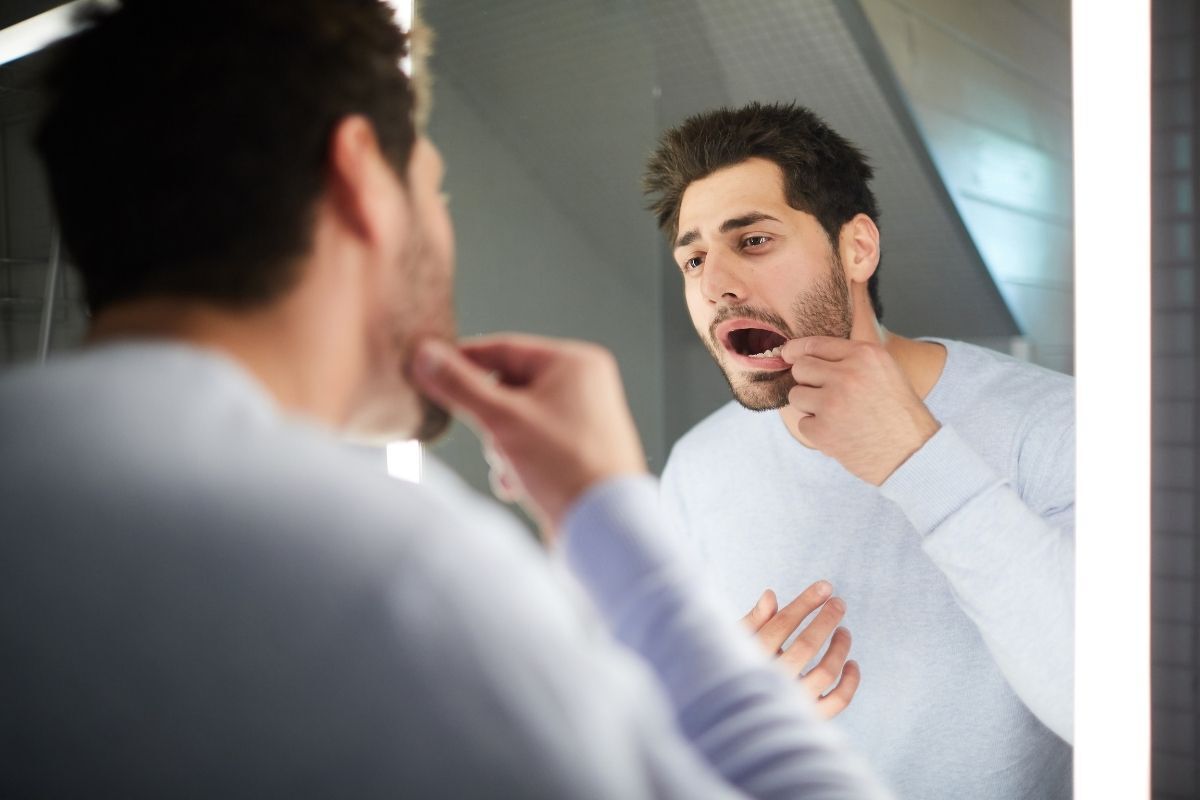
Here’s the routine, broken into a few quick steps you can fold into the time you already spend at the mirror each morning.
- 1. Look at your gums. Healthy gums are usually a consistent pink color and feel firm. Redness, puffiness, or a change in color along the gumline is worth watching.
- 2. Check for spots or discoloration. Scan your teeth for any new white, brown, or gray spots, especially along chewing surfaces and between teeth.
- 3. Run your tongue along your teeth. Notice any new rough edges, chips, or sensitivity that wasn’t there before.
- 4. Watch how your teeth meet. Pay attention to whether your bite feels different – a new tightness or shift can be an early sign of a bite alignment change.
- 5. Notice your breath. Persistent bad breath, even right after brushing, can sometimes point to gum irritation or another underlying issue.
- 6. Watch for bleeding. Even light bleeding when you brush or floss is a signal worth paying attention to, not ignoring.
This isn’t a diagnostic exam – it’s simply a habit that helps you notice change early, which is the foundation of good oral hygiene.
⭐⭐⭐⭐⭐ Janet Sepulveda | Bliss Dental and Orthodontics – Odessa
Great visit. Bridget Silvas was beyond informative and helpful. Walk me through everything answered all my questions and concerns. Truly made me more comfortable and a great experience. ♥️
What’s Normal vs. What’s Worth Watching
| Area | Generally Normal | Worth a Closer Look |
| Gums | Firm, consistent pink color | Puffy, red, or bleeding when brushed |
| Tooth surfaces | Smooth, consistent color | New white, brown, or gray spots |
| Bite | Teeth meet comfortably | New tightness, shifting, or jaw soreness |
| Breath | Fresh after brushing | Persistent odor that doesn’t go away |
| Sensitivity | Minimal to none | New sensitivity to hot, cold, or sweets |
The Benefits: Why This Habit Pays Off
Building this habit does more than help you catch problems early – it also helps you become familiar with what’s normal for your own mouth, so changes stand out faster. Dental teams, including the providers our Midland patients see regularly, often find that people who do a quick daily check tend to catch issues sooner and need less invasive treatment as a result.
A quick morning check is just one part of maintaining a healthy smile. If you’re looking for more ways to keep everyone in your household on track, explore our “Family Dental Care Tips for Healthy Smiles All Year Long“ for practical habits that support long-term oral health.
Expert Tips to Make the Habit Stick
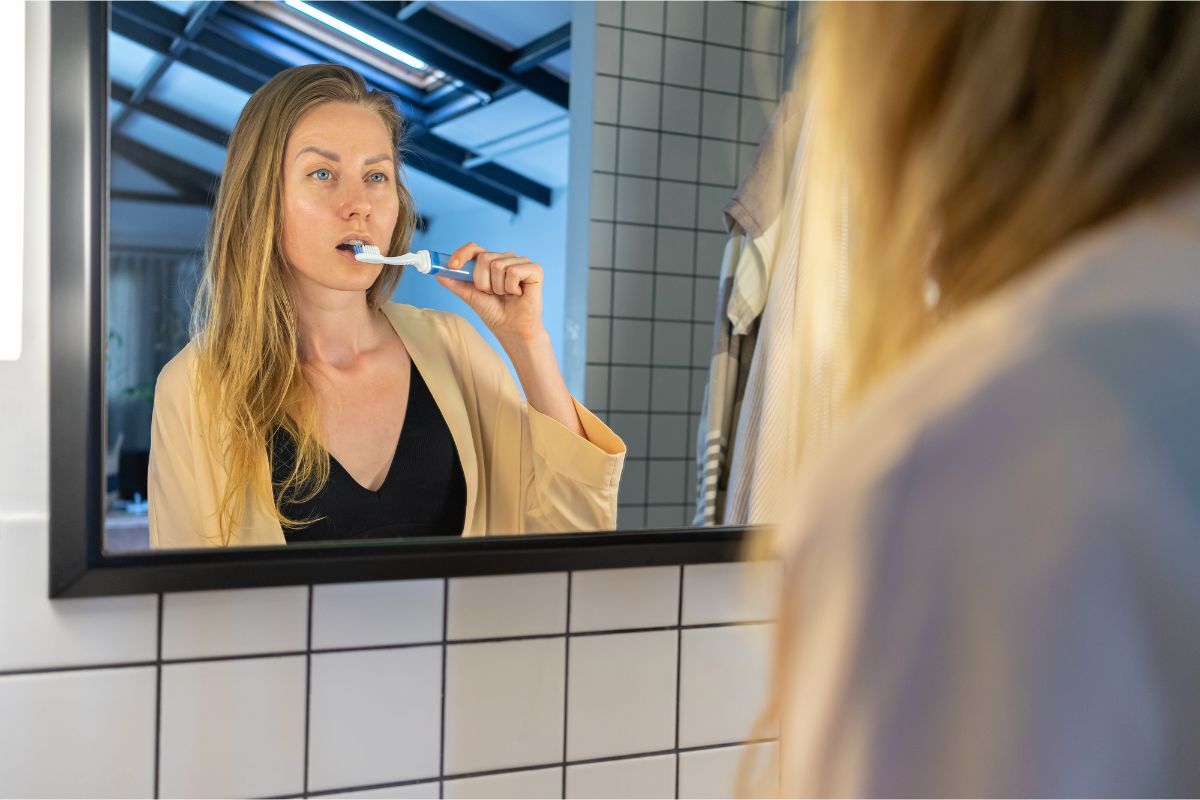
- Pair it with brushing. Attach the check to something you already do, like brushing, so it becomes automatic rather than one more thing to remember.
- Use good lighting. A bathroom mirror with strong lighting makes small changes in color or texture much easier to spot.
- Note anything unusual. Jot down anything different, so you can mention it at your next visit even if it doesn’t feel urgent in the moment.
- Don’t wait for pain. Some of the most treatable dental problems don’t hurt until they’ve already progressed, so don’t wait for discomfort to check in.
Practical Advice: When a Morning Check Isn’t Enough
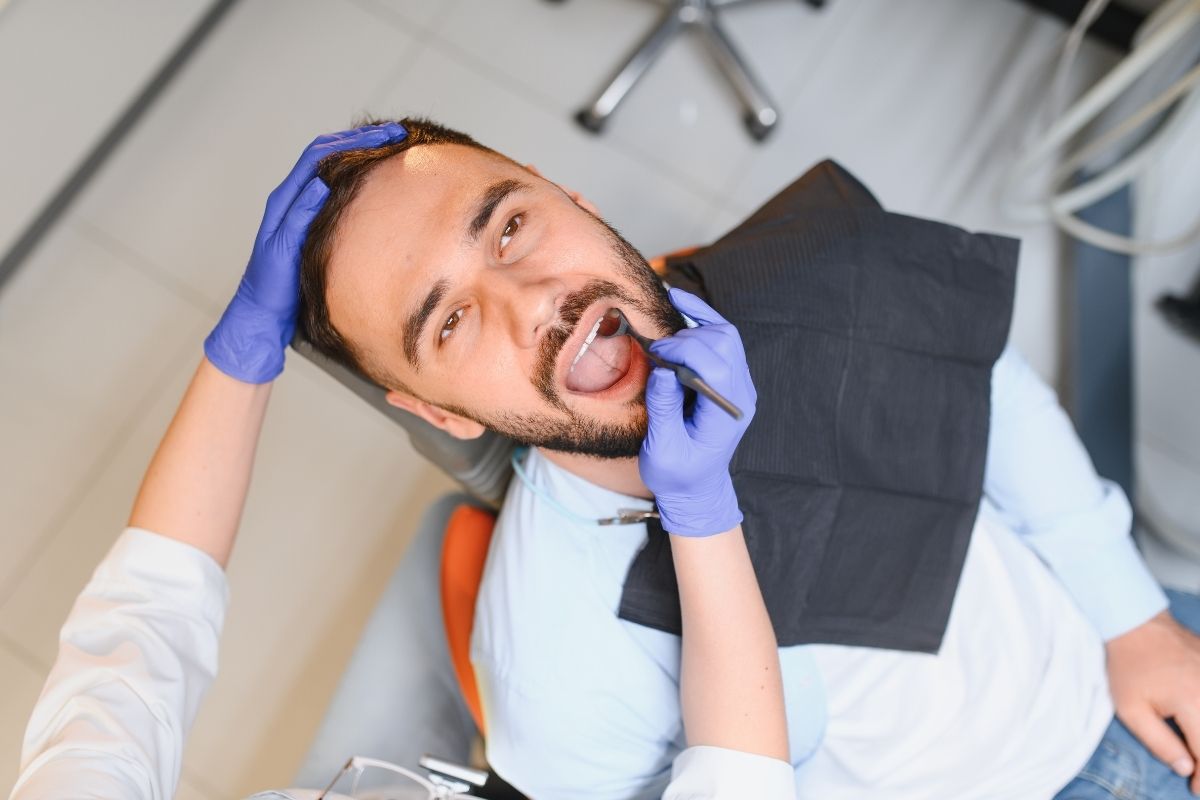
A morning oral health check is a helpful habit, not a replacement for professional care. Some things like early gum disease, decay beneath the surface, or subtle changes in bite alignment aren’t always visible to the naked eye, even when you know what to look for. That’s what routine dental exams and X-rays are for: catching what a mirror can’t show you.
If you notice anything different during your morning check new sensitivity, a spot that doesn’t fade, gums that bleed more than usual it’s worth having it looked at, even if it seems minor. Small concerns are almost always easier to treat than the same problem after months of developing quietly.
Many dental problems begin with subtle warning signs that are easy to dismiss. Learn which dental issues Midland adults most often regret ignoring and why early treatment can make all the difference in our blog, “The Dental Problems Midland Adults Regret Ignoring Until It’s Too Late.“
⭐⭐⭐⭐⭐ Jorge Medrano | Bliss Dental and Orthodontics – Midland
The staff was friendly and very professional. I appreciated how they helped me and did not judge me.
| Notice Something During Your Morning Check? If you’ve spotted a change- a new spot, some sensitivity, a little bleeding don’t wait for it to turn into something bigger. Our team is here to take a closer look and put your mind at ease. Call Now to Schedule Your Visit in Midland location! |
Your 30-Second Checklist, Recapped
- Look at your gums for color and firmness.
- Check for new spots or discoloration on your teeth.
- Run your tongue along your teeth for rough edges or sensitivity.
- Notice how your bite feels.
- Pay attention to your breath.
- Watch for any bleeding when you brush.
| Ready for a Closer Look? A quick morning check is a great habit — but nothing replaces a professional exam. Schedule your next visit and keep small concerns from becoming big ones. Call Now to schedule your visit in Odessa! |
Frequently Asked Questions
1. What is a morning oral health check?
A morning oral health check is a quick, 30-second visual and physical scan of your teeth, gums, and bite. It isn’t a diagnostic exam, but it helps you notice early changes—such as discoloration, bleeding, or new sensitivity—so you can have them evaluated before they become bigger problems.
2. How long should a morning dental self-check take?
About 30 seconds is enough. The goal isn’t a detailed inspection but a simple daily habit that helps you recognize anything that looks or feels different from your normal oral health.
3. What early signs of dental problems can I catch at home?
You may notice new white, brown, or gray spots on your teeth, gum redness or puffiness, light bleeding while brushing, persistent bad breath, or a bite that suddenly feels different. While these signs don’t confirm a diagnosis, they should be evaluated by a dental professional.
4. Can a morning mouth check help prevent gum disease?
A daily mouth check can’t prevent gum disease by itself, but it can help you spot early warning signs like bleeding or swollen gums. Identifying these changes early allows you to seek professional care before the condition progresses.
5. What does healthy enamel look like compared to early tooth decay?
Healthy enamel is generally smooth and consistent in color. Early tooth decay may appear as a small white, brown, or dark spot and can sometimes feel slightly rough. Only a professional dental examination can determine whether a suspicious area is actually decay.
6. Should I check my bite alignment every morning?
You don’t need to perform a formal bite assessment every day, but it’s helpful to notice if your teeth suddenly feel uneven, tighter than usual, or if you develop jaw discomfort. These subtle changes can sometimes indicate an underlying dental issue.
7. When should I see a dentist about something I notice during my morning check?
Schedule a dental appointment if you notice bleeding gums, a new spot on a tooth, ongoing sensitivity, persistent bad breath, or changes in your bite. Early evaluation often leads to simpler and less invasive treatment.
8. Do daily oral health checks replace regular dental exams?
No. Daily self-checks are a helpful habit, but they don’t replace routine dental exams and professional cleanings. Regular visits allow your dentist to detect issues that aren’t visible during a home inspection, including problems beneath the surface of your teeth and gums.